
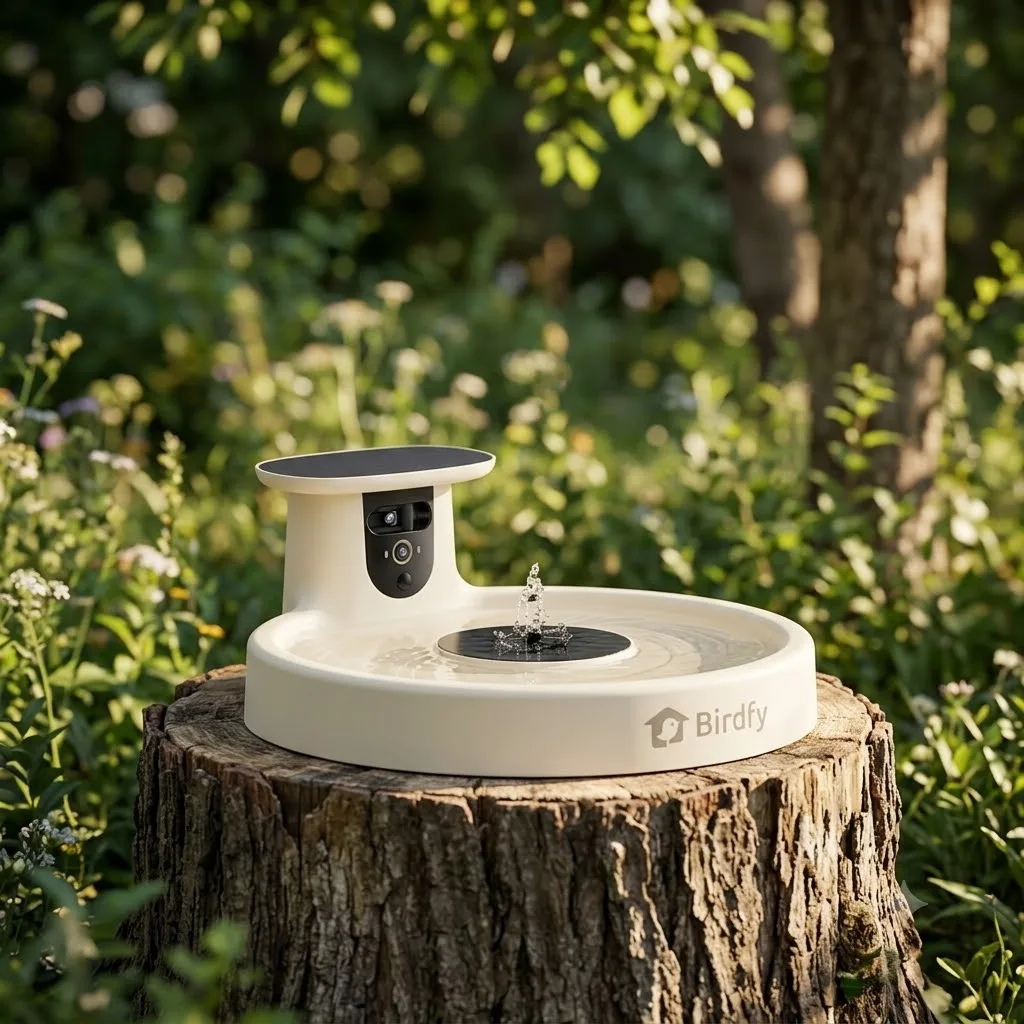
For generations, birdwatching has been a pursuit defined by patience, quiet observation, and the occasional stroke of absolute luck. We have all spent mornings staring through a window, waiting for a flash of color to land on a branch. But as our world becomes increasingly digital, the ways we connect with nature are shifting. Integrating thoughtful technology into our backyards is more about extending our vision to the moments we miss when we are away or occupied.
The Birdfy Birdbath Series represents this modern intersection of tech and ecology. Rather than acting as a simple garden ornament, it serves as an automated window into the private lives of local wildlife. It captures the frantic splashing of a goldfinch or the cautious approach of a nocturnal visitor, preserving moments that would otherwise vanish into the ether. For those who manage backyard habitats, this kind of technology offers a continuous stream of insights, turning passive observation into an active, ongoing relationship with the environment right outside our doors.
Ultimately, bringing tech to the garden changes how we interact with our immediate surroundings. It transforms a localized patch of grass into a dynamic ecosystem that we can study, appreciate, and protect with greater precision. It is an invitation to look closer at the subtle rhythms of nature that unfold when humans aren’t around.
The Science of Birding: Why Water Matters
While most backyard enthusiasts place their initial focus on feeders and seed blends, experienced naturalists know that water is the true magnet for biodiversity. Food choices are highly species-specific—a goldfinch might ignore the suet that a woodpecker craves—but every single bird requires clean water. It is a fundamental biological necessity that serves purposes far beyond basic hydration.
Water is critical for avian thermoregulation, particularly during the grueling heat of summer or the freezing dry spells of winter. When a bird bathes, it isn’t just playing; it is engaging in vital feather maintenance. Dust, parasites, and old oil must be meticulously washed away so that feathers remain aerodynamic and properly insulated. Without regular access to water, a bird’s flight efficiency drops, leaving it vulnerable to predators and harsh weather conditions.
By introducing a dedicated water source like the Birdfy Birdbath, you are filling a crucial ecological gap in your local neighborhood. Urban and suburban landscapes are often devoid of safe, shallow, and reliable water pools. When you provide a consistent oasis, you quickly notice a broader variety of species visiting your yard than a traditional seed feeder could ever attract, offering a front-row seat to fascinating behavioral dynamics.
Unboxing the Birdfy Birdbath Series: What’s Inside?
Opening a new piece of backyard equipment always comes with a mix of anticipation and scrutiny. Outdoor gear must be tough enough to survive scorching sun, torrential downpours, and frost, while remaining simple enough to maintain without specialized tools. The Birdfy Birdbaths addresses these needs right out of the box with a modular, weather-resistant design that prioritizes durability over flashiness.
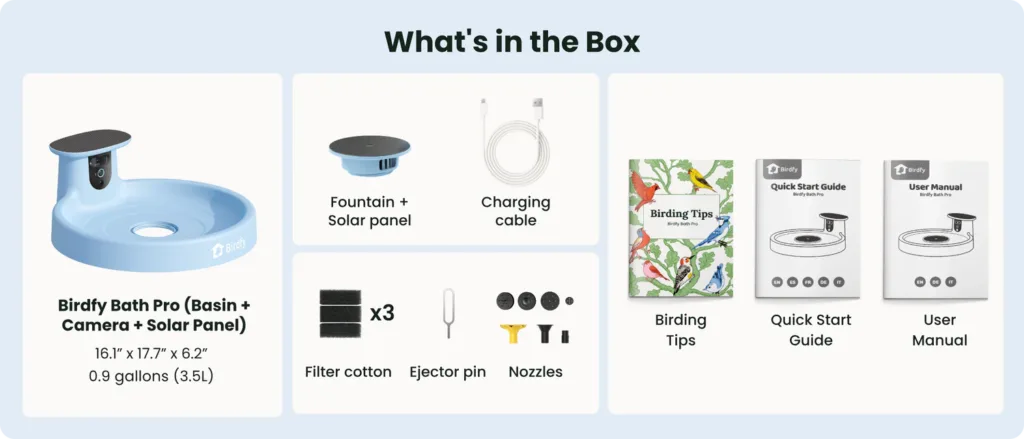
Inside the package, you find a thoughtfully sculpted basin, designed with a gradual slope that mimics the shallow edges of natural puddles—a feature that helps smaller birds feel secure while wading. The core of the system is the weather-sealed camera module, which sits protected from the elements while maintaining a clear view of the water’s surface. Accompanying these are a high-efficiency solar panel, flexible mounting brackets for different garden layouts, and straightforward instructions.
The assembly process avoids unnecessary complexity, favoring quick-snap components and secure fastening points. There is a clear emphasis on structural integrity, ensuring that the unit remains steady even when larger birds like blue jays or doves land heavily on the rim. It feels less like a delicate gadget and more like a rugged piece of field equipment built to weather the seasons.
Tech Deep-Dive: AI, Optics, and Connectivity
At the heart of this system lies a sophisticated combination of optical engineering and artificial intelligence. The integrated camera is tailored specifically for the unique challenges of outdoor photography, where lighting conditions shift constantly from dawn until dusk. It delivers sharp, high-resolution video that captures fine details, such as the intricate patterns on a feather or the droplets of water thrown into the air during a vigorous bath.
The AI identification system functions as a digital field assistant. As a bird lands, the software analyzes visual markers, shapes, and colors to identify the species. This processing happens seamlessly, organizing your footage into an organized digital catalog of backyard visitors. Furthermore, the camera features sensitive night-vision capabilities, revealing a hidden shift in daytime dynamics as nocturnal creatures arrive to investigate the water source after dark.
All of this data is managed through a centralized smartphone app that coordinates connectivity and notifications. Rather than recording hours of empty water, the system relies on precise motion triggers to capture only active visits. The app serves as your archive, allowing you to review the day’s activity, study species variety, and track which times of day yield the highest amount of wildlife interaction.
The “Birdfy” Experience: How it Changes Your Daily Routine
Introducing an intelligent monitoring system to your garden fundamentally alters your relationship with your local environment. Instead of birdwatching being a hobby reserved strictly for quiet weekends, it integrates smoothly into your daily life. A brief notification on your phone during a busy workday can provide a momentary, refreshing connection to the natural world outside.
Over time, the accumulated footage shifts your perspective from seeing birds as random, anonymous visitors to recognizing them as individuals with distinct habits. You begin to notice the specific time a particular robin prefers to take its morning bath, or how a pair of chickadees will work together to monitor the area for danger before dipping into the water. It turns your backyard into a living story.
This wealth of visual data also opens up new opportunities for citizen science and community sharing. You can easily compare notes with fellow birders, share unusual sightings, and contribute to a broader understanding of local migratory patterns. It transforms a solitary backyard pastime into a collaborative, educational experience that deepens your appreciation for the subtle complexities of avian behavior.
Setup, Maintenance, and Best Practices
An advanced birdbath is only as effective as the care it receives. To ensure your yard remains a safe, inviting sanctuary for wildlife, careful attention must be paid to placement and hygiene. Stagnant water can quickly become a breeding ground for bacteria and mosquitoes, so maintaining a clean environment is the most important responsibility of any backyard host.
When choosing a location, pick a spot that offers a balance between open visibility and nearby cover. Birds feel most secure when they have a clear view of potential predators, but they also need a nearby bush or tree branch where they can quickly retreat if startled. Additionally, ensure the solar panel is positioned to catch maximum sunlight throughout the day to keep the internal battery consistently charged.
Cleaning the basin should be a regular part of your routine. Avoid harsh chemical cleaners that could harm the birds or degrade the camera housing; instead, a stiff brush and a mild vinegar solution are perfectly adequate for removing algae and organic buildup. Regularly wiping down the camera lens ensures your footage remains crystal clear, guaranteeing that the technology performs beautifully while keeping the birds’ health a top priority.
Spotlight: My Experience with the Birdfy Bath Pro White
If you are looking to set up a dedicated, high-performance water station in your garden, the Birdfy Bath Pro White is an absolute standout. In my opinion, it sets a brand-new standard for backyard bird observation. I really appreciate how Birdfy built this unit: they used a sturdy combination of metal and eco-friendly ABS plastic (which includes 20% recycled materials), seamlessly blending a dual-camera setup with an integrated solar fountain.
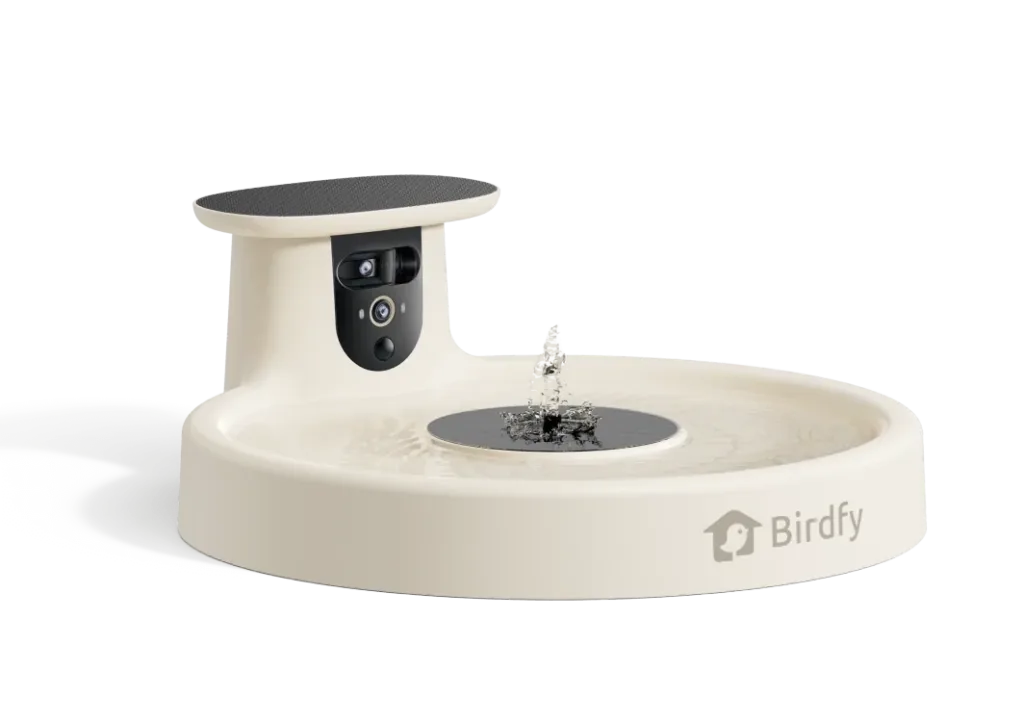
Birdfy Bath Pro Key Specifications
Here is a closer look at the key specifications and features that make this model so impressive in action:
- Dual Solar Panels: I love that you don’t have to worry about constantly running long charging cables across the lawn. The bath features two completely separate solar units—a 1.9W panel dedicated to keeping the camera’s beefy 9000mAh battery charged, and a second 1.65W panel running the fountain pump.
- Crisp Dual Optics: What really sold me on this setup is the camera quality. It captures wide-angle garden action in sharp 1080P resolution, while close-up portrait shots come through in incredible 2K detail. Plus, the white-light night vision gives you a front-row seat to nocturnal visitors after dark.
- Bird-Friendly Basin Design: Safety is crucial when attracting wildlife, and in my view, Birdfy got the dimensions just right. The 16-inch bowl holds 0.9 gallons (3.5 L) of water at a shallow depth of 1.65 inches. It gives smaller songbirds like finches and chickadees the perfect, non-intimidating depth to wade and splash safely.
- Built for the Elements: Outdoor gear takes a beating, but this unit holds up remarkably well. The camera module has an IP66 waterproof rating and can handle freezing temperatures down to 14°F (-10°C). The basin itself safely handles operating temperatures down to freezing (32°F / 0°C).
- Interactive Features: The unit features built-in two-way audio, smooth 2.4GHz Wi-Fi connectivity, and a passive infrared motion sensor. I love getting instant notifications on my phone whenever a new bird drops by for a drink.
Currently priced around $169.99 (down from the standard $269.99 list price), the package arrives with versatile mounting hardware, customizable fountain spray nozzles, and flexible options for AI bird identification.
Read the full review of Birdfy Bath Pro.
Deciding Between the Models: Stand vs. Base Unit
When you are looking through the lineup, choosing the right configuration comes down to how your garden is set up. In my opinion, understanding the difference between the Birdfy Bath Pro (Base Version) and the Birdfy Bath Pro with Stand keeps things simple before you order.
Both versions feature the exact same tech core under the hood—you get the dual-camera system (1080p wide-angle and 2K auto-tracking portrait lens), dual solar charging panels, and the 0.9-gallon basin.
The real decision comes down to placement:
- The Base Unit (3.5 lbs): I like this option if you already have a flat outdoor surface in mind. It is ideal if you want to place the birdbath on a deck railing, a patio table, or a custom garden pedestal.
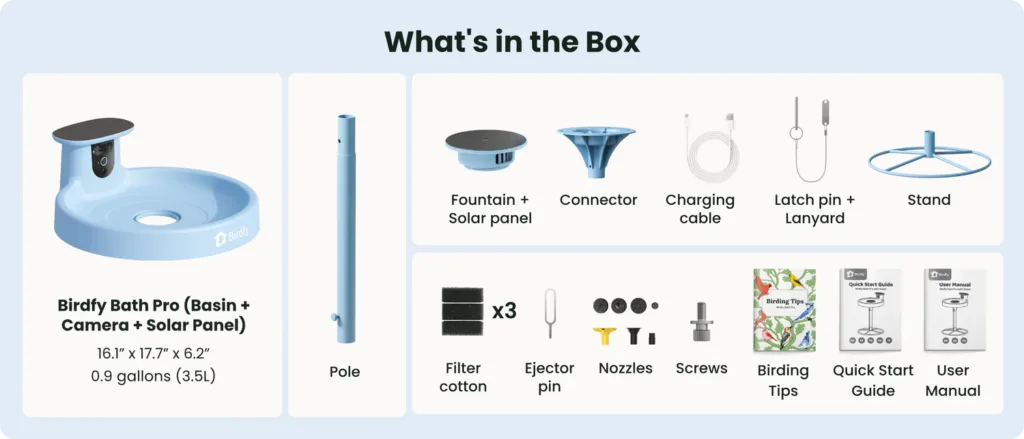
- The Stand Version (5.7 lbs): If you want to place the bath directly inside a flower bed or out in the middle of a lawn, this is the way to go. It includes a 30-inch metal pole, heavy-duty mounting connectors, and ground anchors to keep everything rock-solid.
Finally, you will also choose between “AI by Subscription” and “AI Lifetime Free” software packages. In my opinion, offering this choice is a great move by Birdfy. If you want a lower upfront price and don’t mind a small monthly fee, the subscription model works well. But if you prefer paying once and enjoying permanent species identification forever without extra bills, the lifetime option is definitely the way to go.
The Ethical Birder: Tech vs. Nature
As we bring more technology into natural spaces, we have an ethical obligation to consider our impact on the wildlife we enjoy observing. The primary rule of ethical birding is simple: the well-being of the animal must always come before our desire for a great photograph or video clip. Devices placed in the habitat must blend in without causing stress or disruption.
The Birdfy design handles this balance carefully by keeping the technology passive and unobtrusive. The camera operates completely silently, avoiding sudden mechanical sounds that could startle a bathing bird. Furthermore, the infrared night vision uses a spectrum that is invisible to animals, allowing for nocturnal monitoring without disrupting their natural sleep cycles or nighttime behaviors.
By using technology that observes from a fixed, respectful distance, we minimize human interference in the garden. This allows birds to behave entirely naturally, giving us an authentic view of their lives without causing the stress associated with traditional wildlife photography. It ensures our curiosity supports conservation rather than disrupting the delicate balance of the environment.
Creating a Backyard Haven: Designing Around Your Smart Birdbath
Installing a smart birdbath is just the first step. To attract more birds—and capture great video—you must design the space around it. Birds choose landing spots based on safety, comfort, and cover.
Never place your birdbath in the middle of an open lawn. Open spaces leave small songbirds vulnerable to hawks. Instead, put your setup within 10 to 15 feet of natural cover. Bushes, low branches, and tall grasses work best. Birds use these spots to rest, preen, and scan for danger before taking a dip.
You can turn your setup into a wildlife hotspot with native plants:
- Plant in layers: Mix low ground cover, berry bushes, and trees. Different species prefer different heights.
- Skip the chemicals: Avoid pesticides near the water. Clean environments protect insect-eating birds like warblers and chickadees.
- Clear the lens: Keep the area behind the bath leafy for bird cover. Keep the area in front of the lens clear of swaying twigs to prevent false motion alerts.
A well-planned habitat does more than yield great video clips. It provides a safe sanctuary that local birds will visit every single day.
Special Event: The 6th Birdfyversary Sale
Birdfy is celebrating its 6th anniversary with significant sitewide discounts. If you want to add a smart birdbath to your garden, this event offers some of the lowest prices of the year.
The “Birdfyversary” promotion cuts prices across the entire product lineup:
- Massive Savings: Save up to $120 to $150 off select smart camera models and bundles.
- Birdfy Bath Pro Discount: Get up to 43% off the smart birdbath series during the event.
- Extra Perks: Subscribers receive an additional 10% discount code at checkout along with free shipping on select items.
- Standard Guarantees: All sale purchases include Birdfy’s standard 30-day money-back guarantee and a 2-year warranty.
These anniversary deals run for a limited time. Check the official site to lock in maximum savings before stock runs out.
Final Verdict: Is It Worth It?
In the world of backyard birding, the tools we choose shape our connection to the environment. A standard stone or ceramic basin will always hold a classic charm, providing a dependable water source for the local wildlife. However, it leaves the rich stories, behaviors, and species varieties that visit your yard hidden from view whenever you aren’t actively sitting by the window.
The Birdfy Birdbath series bridges this gap, transforming a simple garden utility into an ongoing educational journey. It offers value not through gimmicks, but by providing consistent, reliable access to the natural world. It allows you to become a more informed steward of your backyard, tracking changes across the seasons and gaining a deeper understanding of local biodiversity.
For anyone dedicated to the rewards of wildlife observation, this integration of technology and nature offers a profound shift in perspective. It turns your outdoor space into a continuous learning experience, ensuring that even on the busiest days, you remain deeply connected to the natural rhythms of life just beyond your doorstep.
Birdfy Birdbath – Frequently Asked Questions
1. How is the Birdfy Birdbath powered, and do I need to recharge it manually?
The Birdfy Birdbath operates using a hybrid power system. It features an internal 9000mAh rechargeable lithium-ion battery paired with built-in high-efficiency solar panels.
- Dual Solar Power: The system uses distinct solar collectors—one dedicated to maintaining the camera’s battery level and another powering the fountain circulation pump.
- Initial Charge: You will only need to fully charge the unit via USB-C out of the box. Once installed in a spot with direct sunlight, the solar panels continuously top off the battery for uninterrupted operation.
2. Can the camera and basin handle extreme winter weather or freezing temperatures?
While the electronics are built for all-weather durability, water maintenance changes during winter:
- The Camera: Rated at IP66 waterproof with an operating temperature range of 14°F to 122°F (-10°C to 50°C), the camera unit easily handles rain, snow, and severe cold.
- The Basin & Water: The birdbath basin itself should only hold liquid water above 32°F (0°C). Freezing water can crack plastic components and damage the fountain pump. During freezing spells, it is recommended to drain the basin or use an outdoor-rated, thermostatically controlled heater to prevent ice formation.
3. How far away can the birdbath be placed from my Wi-Fi router?
The camera connects over a 2.4GHz Wi-Fi band, which provides better long-range wall penetration than standard 5GHz networks.
- Standard Range: It typically maintains a stable connection up to 100–150 feet from a home router, depending on outdoor obstructions (such as thick masonry or dense trees).
- Signal Check: Before securing your mounting stand in the garden, bring your phone to the proposed spot and check that your home 2.4GHz Wi-Fi shows at least 2–3 signal bars. If placing it further out, a simple Wi-Fi range extender placed near an exterior wall will boost performance.
4. Does the fountain pump run constantly, and will it scare away timid birds?
No, the fountain is designed specifically with wildlife behavior in mind:
- Auto-Shutoff: The solar pump features a safety sensor that automatically shuts off the fountain if the basin’s water level drops too low, protecting the motor from burning out.
- Bird Comfort: Water movement is one of the strongest magnets for attracting wild birds because it signals freshness and visual sparkle. However, if local species are hesitant, you can adjust or swap the included spray nozzles to create a soft, low-profile ripple rather than a tall spray.
5. How does the AI identification work, and is a subscription required?
The camera uses advanced computer-vision algorithms to automatically detect visiting wildlife, analyze visual traits, and identify species.
- Core Functions (Free): Motion detection, real-time notifications, direct live-streaming, and auto-recorded wide-angle video clips are available out of the box through the Birdfy app without paying extra.
- AI Species Recognition: Auto-tagging over 6,000 bird species and generating daily/monthly visitor logs utilizes the Birdfy AI recognition feature. Depending on package promotions, this functionality may include a trial period, lifetime access bundle, or an optional monthly subscription.
6. How often should I clean the basin, and what is the safest method?
To prevent the spread of avian diseases (such as Avian Pox or Salmonella), clean water hygiene is vital:
- Frequency: Change standing water every 2 to 3 days, or daily during peak summer heat waves.
- Cleaning Technique: Disconnect the fountain, empty old water, and scrub the slip-resistant basin using a stiff-bristled brush with a solution of 1 part white vinegar to 9 parts water.
- Avoid Chemicals: Never use harsh detergents, bleach, or household dish soap, as residual films ruin a bird’s natural feather waterproofing and harm the internal pump filter. Clean the clear camera lens housing with a microfiber cloth.
7. What mounting options are supported for installation?
The Birdfy Birdbath series features modular, tool-free slot-in assembly designed for flexible garden placement:
- Ground Stand / Pole: Standard configurations come with a sturdy metal ground pole and stand (adjusting up to ~30 inches high) that can be anchored directly into garden beds, lawns, or patio bases.
- Placement Tip: Position the basin within 10–15 feet of nearby shrubs or low tree branches. Birds prefer having a quick cover perch to dry off and inspect the area before dropping down into the water.
Affiliate Disclosure
This post may contain affiliate links. If you purchase through these links, I may earn a small commission at no additional cost to you. I only recommend products I’ve researched or believe will be valuable to birdwatchers and nature lovers. Thank you for supporting my work!
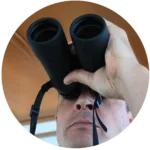
Lorand Vigh is a nature conservation professional and lifelong birder based in Serbia (Vojvodina). With over 30 years of field experience in birdwatching, habitat protection, and conservation management, he has worked on bird monitoring projects, habitat restoration initiatives, and cross-border conservation cooperation. GoToBirding is a personal project built on real field experience, sharing practical, science-based advice for birders and wildlife photographers.