
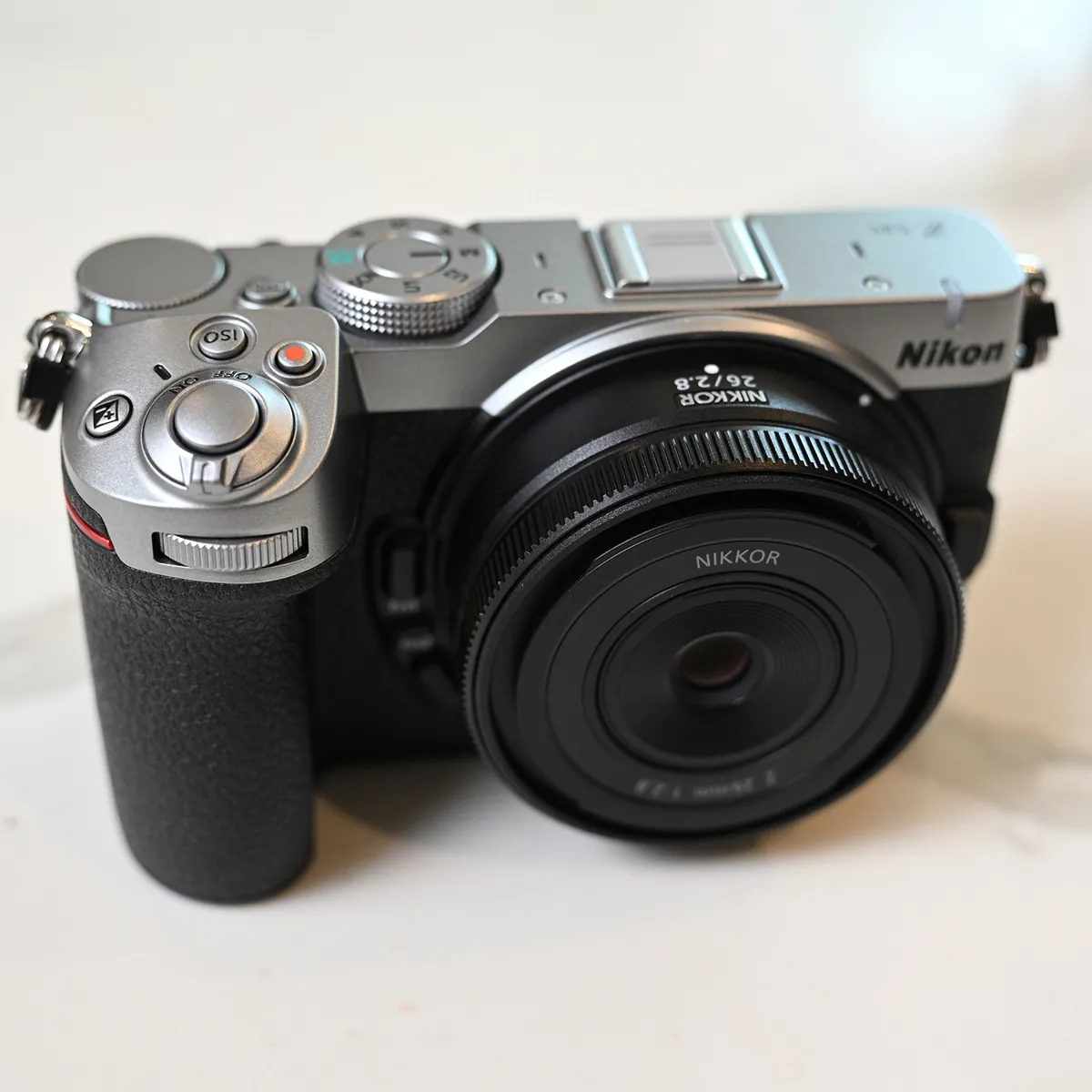
Nikon recently announced the Nikon Z5IIc, packing all the internal firepower of the popular Nikon Z5II into an ultra-compact, flat-top body. As you can imagine, the moment the specs dropped, a lively debate kicked off across the photography community—everyone is asking whether this minimalist design can actually hold its own in the brutal, fast-paced world of bird and wildlife photography.
For those of us out in the field, our gear needs to work with us, not fight against us when a rare sight pops up in the canopy. I’ve put together this detailed breakdown to look closely at what the Z5IIc brings to the table: its portability, how it actually handles in real-world conditions, how it stacks up directly against the standard Z5 II, and what the international photo press is saying about it.

The Concept Behind the “c” Series: Why Did Nikon Build It?
The camera market has shifted dramatically toward portability and hybrid content creation in recent years. A significant portion of photographers want full-frame image quality that takes up minimal space in a backpack and never feels burdensome during long travels.
Nikon created the Z5IIc in direct response to this market demand. The core idea is to integrate flagship-level image processing and autofocus capabilities into a minimalist, viewfinder-less body.
This design approach works brilliantly for street photography or landscapes, where small prime lenses are the norm. However, bird and wildlife photography presents a completely different set of physical demands on camera gear.
Field Ergonomics and the Physics of Handholding
In bird photography, the most commonly used lenses fall into the 100–400mm or 180–600mm focal length ranges. These large telephoto lenses add substantial weight and length, fundamentally shifting the center of gravity of the camera setup.
With traditional SLR-style bodies featuring an electronic viewfinder (EVF), the photographer presses the camera against their face. This motion creates a highly stable three-point support system: both hands and the brow/forehead work together to steady the rig.
Because the Z5IIc lacks an EVF, photographers are forced to compose at arm’s length while looking at the rear LCD screen. This posture tires muscles significantly faster, increases hand tremor, and makes tracking fast, erratic birds in flight considerably more difficult.
The flat handgrip on the Z5IIc further complicates holding the setup securely when heavy glass is mounted to the bayonet. While the balance is excellent with a small 40mm pancake lens, mounting a telephoto lens creates a noticeably front-heavy and clumsy handling experience.
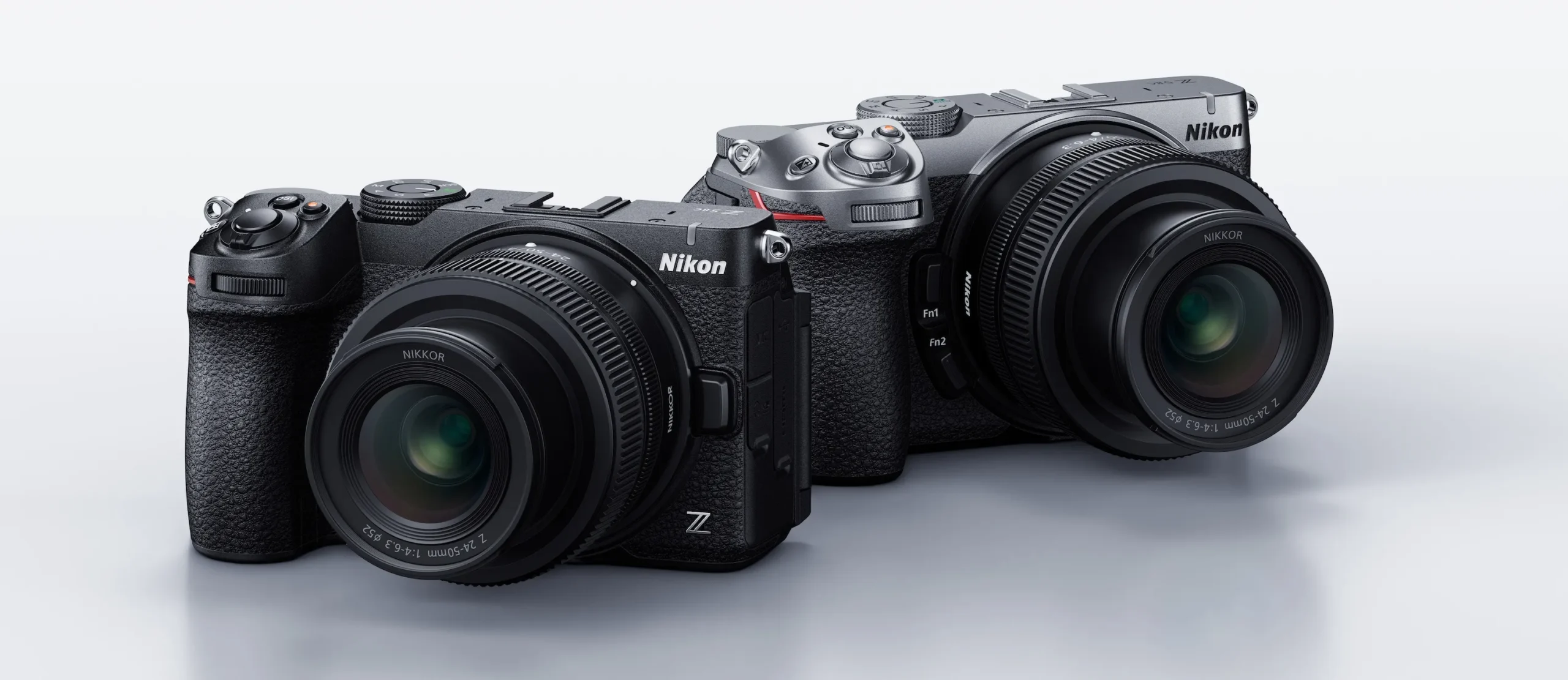
Key Technical Specifications of the New Nikon Z5IIc Camera
For a quick overview of the Nikon Z5IIc core hardware and performance capabilities, the main technical specifications are summarized in the table below:
| Feature Category | Specification | Details |
| General | Color | Black |
| Shoe Mount | Yes | |
| Image Processor | EXPEED 7 | |
| Imaging | Lens Mount | Nikon Z |
| Sensor Resolution | 24.5 Megapixels | |
| Image Sensor | BSI-CMOS FX-format (Full-Frame) | |
| Image Stabilization | Built-in Sensor-shift IBIS (Up to 7.5 stops) | |
| Exposure & Burst | Exposure Modes | Scene modes (15 presets) |
| Continuous Shooting | Up to 30 fps | |
| Video Capture | Internal Recording | 4K at 60p 12-bit N-RAW support |
| Interface & Power | Power / Data I/O | USB-C (Power delivery & charging) |
| Connectivity | Nikon SnapBridge App compatible | |
| Monitor & EVF | Display Type | Vari-angle touchscreen LCD |
| Viewfinder | None |
Working Conditions and Environmental Factors in the Field
Bird photography rarely takes place in controlled environments. Photographers routinely face harsh sunlight, blinding reflections off open water, or dark forest understories.
Under direct sunlight, the rear LCD screen can suffer from severe glare, making precise composition and focus verification challenging. While screen brightness can be boosted, bright ambient light often washes out fine details that would be crisp and clear inside an EVF.
On the other hand, bird photographers frequently shoot from ground hides or low-angle perspectives to capture eye-level portraits of waterfowl or shorebirds. Here, the fully articulating touchscreen on the Z5IIc offers a clear advantage.
When working at ground level, you don’t need to lie flat in the mud; the screen can be angled freely. This feature delivers genuine comfort and flexibility when photographing wading birds or ground-dwelling species.
Physical Controls and Rapid Reaction Limitations
In wildlife photography, decisions must be made in fractions of a second. A skittish songbird popping up in the canopy won’t wait for you to navigate a menu system.
To keep the body compact, Nikon omitted the dedicated AF joystick and AF-ON button from the Z5IIc. Shifting focus points must be handled via the touchscreen or the multi-selector pad, which is inherently slower.
When wearing gloves—a common necessity during autumn and winter birding trips—touchscreen navigation becomes clunky. The lack of tactile physical controls reduces “blind handling” capability, where a photographer adjusts settings instinctively without looking away from the subject.
While programmable Fn buttons are present, their number is limited. Experienced photographers will need to make compromises when assigning critical custom functions to a reduced set of physical dials.
Data Security and Power Management on Long Treks
Field trips often stretch into full-day excursions far removed from charging outlets or computer backups. In these situations, reliability and battery endurance become critical factors.
The Z5IIc features a single SD memory card slot. In professional and enthusiast wildlife photography, dual slots are standard for real-time backup, ensuring that a corrupted card won’t ruin a once-in-a-lifetime sighting. Operating with a single card slot introduces an inherent risk in the field.
Regarding power consumption, keeping the main LCD screen powered continuously places a steady drain on the battery. While traditional bodies allow you to conserve power by relying primarily on the EVF, the display on the Z5IIc remains active throughout composition.
As a result, long field days will require carrying extra spare batteries or a portable power bank. The camera supports power delivery and charging via USB-C, which is a practical workaround during breaks or while waiting inside a hide.
International Reviews, Opinions, and Tech Press Feedback
Leading photo publications and field testers (such as PetaPixel, DPReview, and NikonRumors) responded quickly to the announcement. Feedback indicates that the reception of the camera depends heavily on the intended user base.
Reviewers unanimously praise the image quality and internal processing power. The subject-tracking autofocus driven by the EXPEED 7 processor matches the performance of higher-tier bodies, delivering outstanding image files when paired with the 24.5 MP BSI sensor.
However, reviewers place heavy emphasis on the omission of the viewfinder. Multiple analysts note that while the camera is ideal for vlogging, travel, or street photography, its ergonomic drawbacks become immediately apparent when paired with telephoto lenses.
In summary, expert opinion frames the Z5IIc as an excellent “secondary body” alongside a Z8 or Z9, but acknowledges that it demands significant compromises if used as a primary wildlife camera.
Who Is the Nikon Z5IIc Best Suited For?
Despite its physical limitations in certain areas, there is a specific category of outdoor photographers for whom the Z5IIc is a compelling choice.
Backpackers and long-distance hikers will appreciate the minimal weight and compact footprint. If your goal is documenting landscapes, flora, or stationary wildlife along the trail rather than tracking birds in flight, the camera performs exceptionally well.
For nature videographers and hybrid content creators, the fully articulating screen, uncropped 4K video capabilities, and low weight make it an attractive tool. Mounted on a lightweight gimbal or a travel tripod, it offers an agile, mobile setup.
It also serves as an approachable entry point for photographers stepping into the full-frame mirrorless system who want a camera that slips effortlessly into a daily bag for general travel and casual outdoor use.
Detailed Comparison: Nikon Z5 II vs. Nikon Z5IIc
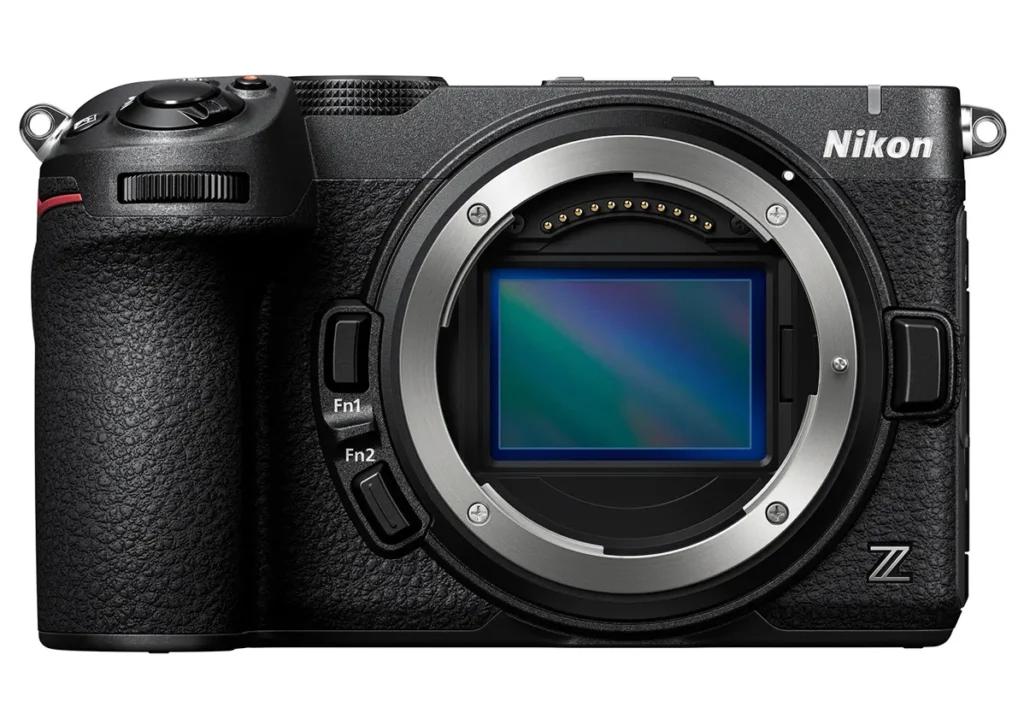
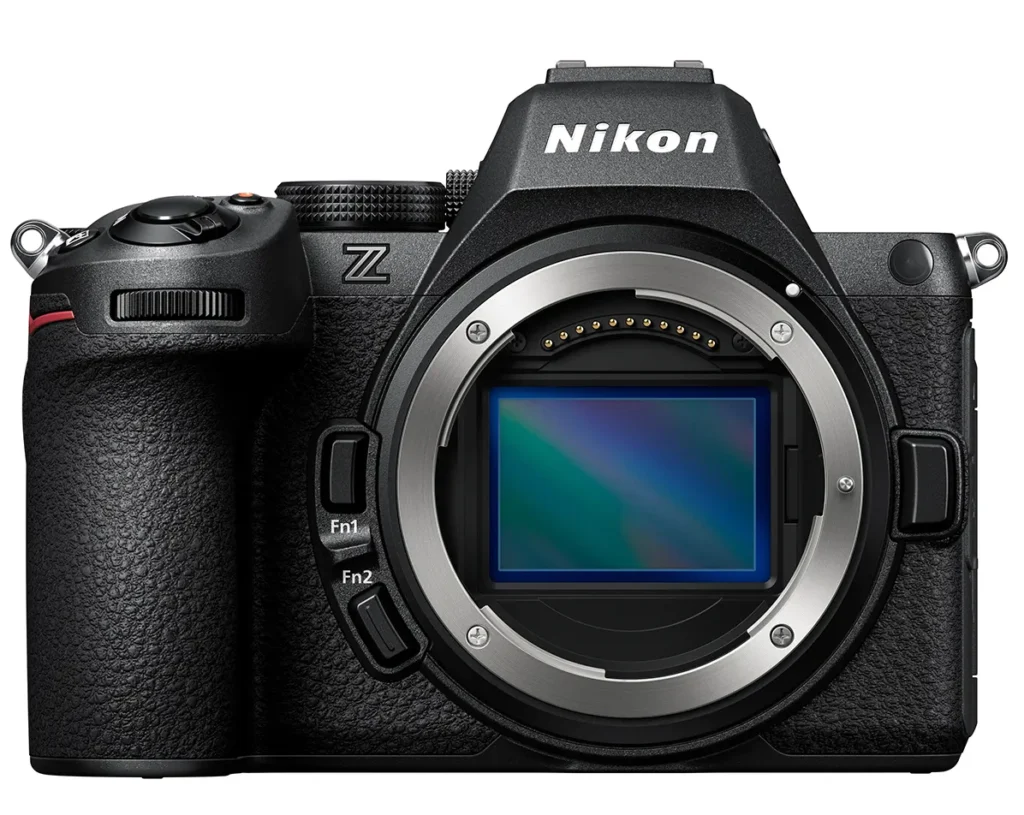
While both cameras share identical internal core components (sensor, EXPEED 7 processor, AI autofocus algorithms, and IBIS), their physical design, ergonomics, and target use cases differ fundamentally.
| Feature / Aspect | Nikon Z5 II (Standard) | Nikon Z5IIc (Compact) | Impact on Bird & Wildlife Photography |
| Electronic Viewfinder (EVF) | Yes (High-brightness OLED EVF) | None (Screen-only composition) | Critical: An EVF is vital in bright sunlight and provides a 3rd point of physical stability against your face when handholding heavy telephotos. |
| Handgrip & Ergonomics | Deep, contoured SLR-style grip | Flat-top, shallow rangefinder-style grip | Major: The deep grip on the Z5 II provides far better balance and reduces wrist strain when using long lenses like the 180-600mm. |
| Physical Controls | Includes AF Joystick & dedicated AF-ON button | Omitted; controlled via touchscreen or custom Fn buttons | Moderate: The joystick on the Z5 II allows instant manual focus point shifts without looking away from the target. |
| Card Slots | 2x SD Slots (UHS-II) | 1x SD Slot (UHS-II) | Moderate: Dual slots provide real-time backup in the field, safeguarding against card failure during once-in-a-lifetime wildlife sightings. |
| Dimensions & Weight | Standard mid-size váz (~670 g) | Ultra-compact flat top (~620 g) | Minor: The Z5IIc is slightly lighter and smaller, making it easier to pack in a backpack, but less balanced in hand with large glass. |
| Autofocus & Tracking | EXPEED 7 / AI Bird & Animal AF / 3D Tracking | EXPEED 7 / AI Bird & Animal AF / 3D Tracking | Identical: Both cameras deliver identical AF speed, lock-on precision, and subject recognition capabilities. |
| Image Quality & Sensor | 24.5 MP BSI CMOS (-10 EV low-light AF) | 24.5 MP BSI CMOS (-10 EV low-light AF) | Identical: Equal dynamic range, ISO performance, and image resolution. |
| Stabilization (IBIS) | Up to 7.5 stops 5-axis IBIS | Up to 7.5 stops 5-axis IBIS | Identical: Both compensate effectively for hand movement. |
Key Field Differences
- Viewfinder vs. Screen Shooting: The Z5 II EVF enables three-point stability (two hands plus forehead), which is essential for holding telephoto lenses steady. The Z5IIc forces extended-arm shooting off the LCD, accelerating fatigue and making tracking moving targets significantly harder.
- Data Security: The dual memory card slots on the Z5 II allow simultaneous backup in the field, preventing catastrophic data loss if a card fails. The single slot on the Z5IIc carries an inherent risk for unrepeatable field sightings.
- Control Speed: The dedicated AF joystick and AF-ON button on the Z5 II allow rapid, muscle-memory focus shifts without taking your eye off the subject. On the Z5IIc, managing focus points via the touchscreen or D-pad introduces delays in fast-moving situations.
Summary and Personal Thoughts on the Nikon Z5IIc Camera
The Nikon Z5IIc is a technologically impressive compact full-frame camera. By combining the EXPEED 7 engine with a 24.5 MP BSI sensor, Nikon has made top-tier autofocus algorithms and excellent low-light performance available in a remarkably small package.
However, from a practical field perspective—especially for dedicated bird and wildlife photography—the Z5IIc presents clear trade-offs. The absence of an electronic viewfinder (EVF) fundamentally changes how you hold and steady the camera. When pairing a body with heavy telephoto glass (like a 100–400mm or 180–600mm), losing the three-point contact of pressing a viewfinder against your face leads to faster arm fatigue and greater difficulty tracking fast, erratic targets in flight. Furthermore, single-slot SD storage and stripped-down tactile controls require extra caution during long, unpredictable field trips.
Personal Take & Perspective
While the Z5IIc is hard to recommend as a primary body for hardcore birding, it shines in a specialized secondary role. For a birdwatcher or photographer who already uses a heavier primary body (such as a Z8, Z9, or standard Z5 II), the Z5IIc makes an extraordinary travel companion. Paired with a small 40mm pancake lens or a lightweight compact zoom, it lets you document habitats, landscapes, and casual observations on long hikes without the strain of carrying a full rig.
Ultimately, if your primary goal is tracking birds in flight and spending hours behind heavy telephoto glass, the standard Nikon Z5 II—with its deep grip, EVF, and dual card slots—remains the far more practical and ergonomically sound tool for the job.
Availability & Pre-Order Note: Please note that the Nikon Z5IIc is currently available for Pre-Order at Adorama. If you are planning to add this compact body or the standard Z5 II to your gear list, pre-ordering early is recommended to secure your unit from the first shipping batches.
Affiliate Disclosure: Some of the links on gotobirding.com are affiliate links. This means that if you click through and make a purchase, we may earn a small commission at no additional cost to you. We only recommend gear, optics, and resources that we genuinely trust and use for birdwatching and fieldwork. Thank you for supporting the site!

Lorand Vigh is a nature conservation professional and lifelong birder based in Serbia (Vojvodina). With over 30 years of field experience in birdwatching, habitat protection, and conservation management, he has worked on bird monitoring projects, habitat restoration initiatives, and cross-border conservation cooperation. GoToBirding is a personal project built on real field experience, sharing practical, science-based advice for birders and wildlife photographers.