
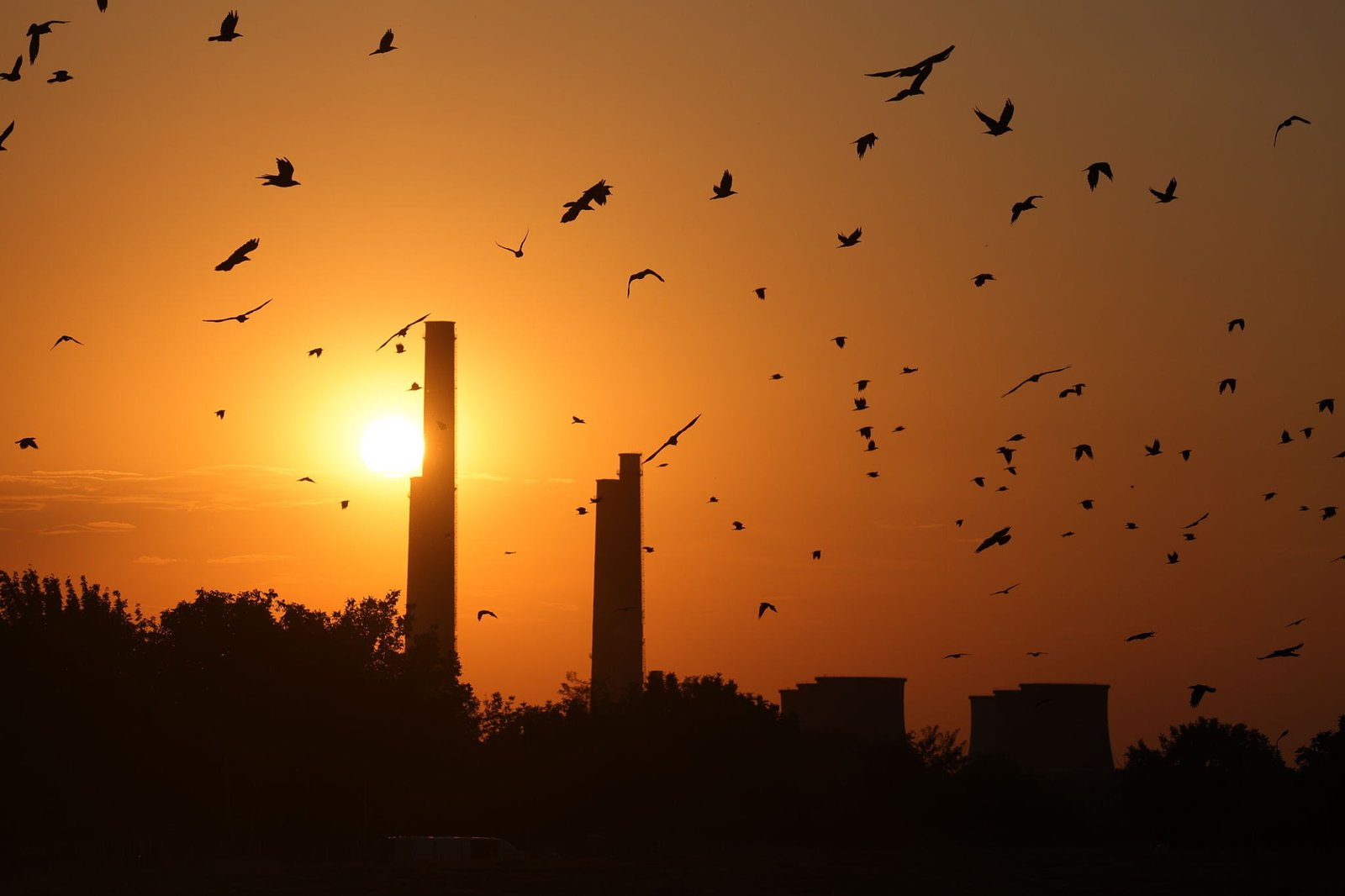
For decades, birders and field ornithologists could set their watches by the autumn skies. Every year, from late July through November, hundreds of millions of migratory birds embarked on predictable flyways, stopping at reliable “refueling stations”—vital wetlands, river deltas, coastal mudflats, and lush forests.
However, recent field reports, radar tracking, and satellite data paint a starkly different picture today: traditional fall migration routes are undergoing an unprecedented, volatile realignment. Standing out in the field this season, I am genuinely stunned and deeply unsettled by what I am witnessing.
Driven by relentless heat domes, dried-up global wetlands, multi-year megadroughts, and continent-spanning wildfire smoke plumes, the geographic fabric of bird migration is crumbling before our eyes. Historical stopover sites that supported millions of shorebirds, waterfowl, and songbirds for millennia are turning into dry dust bowls or charred ash.
Why this deep dive matters: What is happening right now isn’t just another incremental shift in data. It is a quiet, heartbreaking emergency playing out across our skies. Behind the thrilling vagrant sightings lies a far more sobering reality that fundamentally changes how we observe and protect birds in the field.
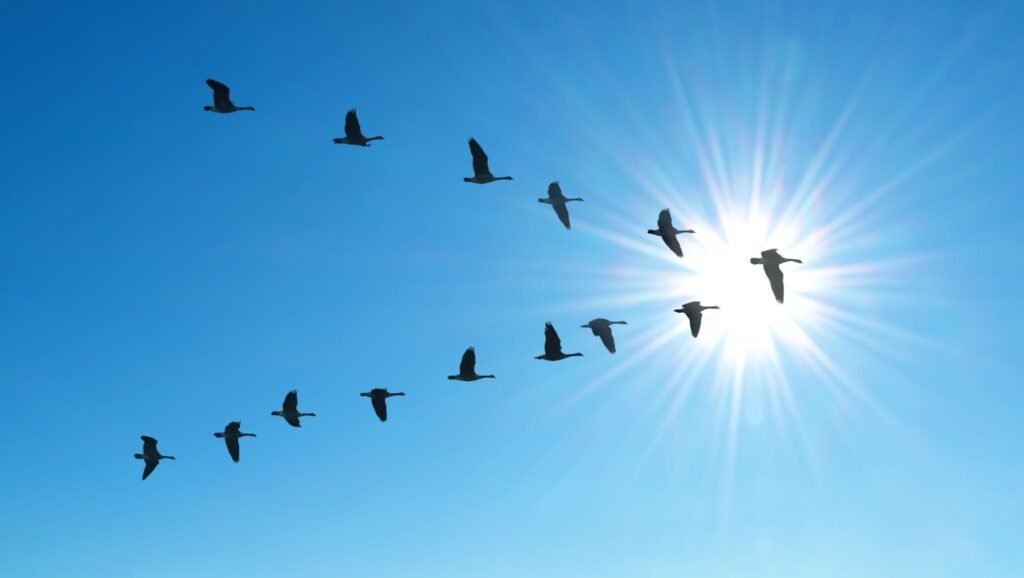
The Collapse of Global Refueling Stations: Why Flyways Are Shifting
Migration is one of the most energetically demanding physiological feats in the animal kingdom. Small passerines like warblers and flycatchers often double their body weight in fat before attempting long-distance flights, while shorebirds depend on high-density invertebrate mudflats to refuel every few hundred miles. When these stopovers disappear, the entire migratory chain breaks down.
The North American Interior: Great Salt Lake and Klamath Basin
- The Great Salt Lake (Utah): Historically serving as a crucial pitstop for over 10 million migratory birds—including up to 30% of the world’s population of Wilson’s Phalaropes (Phalaropus tricolor)—the lake’s severe desiccation has exposed vast dry lakebeds. The dramatic loss of brine shrimp and alkali fly larvae forces migrating shorebirds to divert hundreds of miles off their usual trajectory in search of alternative feeding grounds.
- The Klamath Basin (California/Oregon border): Once a bustling wetland complex supporting millions of migrating waterfowl along the Pacific Flyway, prolonged drought and agricultural water diversion have left major refuges like Tule Lake and Lower Klamath dry. This causes catastrophic overcrowding and fatal avian botulism outbreaks in remaining water pockets.
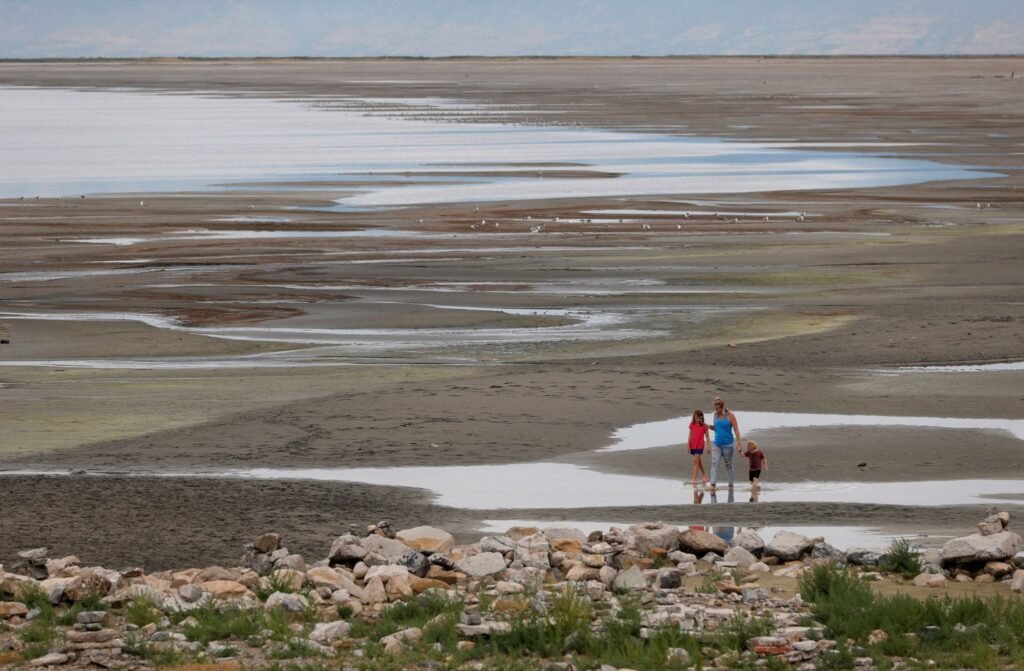
The Afro-Palearctic Flyway: Doñana and the Iberian Drought
- Doñana National Park (Spain): This UNESCO World Heritage site, traditionally the most vital stopover and wintering ground for European ducks, geese, and waders crossing the Strait of Gibraltar, has seen its permanent lagoons dry up completely during recent summer droughts. Species like the Marbled Teal (Marmaronetta angustirostris) and Black-tailed Godwit (Limosa limosa) are bypassing traditional Spanish stopovers, appearing unexpectedly in urban reservoirs or altered coastal lagoons in northern Europe.
Habitat Compression & “Ecological Traps”
As natural moisture concentrates into fewer isolated pockets, birds are forced into abnormally high densities around artificial water bodies—such as agricultural irrigation ponds, wastewater treatment facilities, and urban golf courses. While these sites provide temporary moisture, they often act as ecological traps: high-density gatherings dramatically increase the transmission of avian diseases, expose exhausted birds to domestic predators, and lack the rich, species-specific nutrient density required for successful long-distance flight.
Vagrancy, “Short-Stopping,” and Disrupted Timings
The structural breakdown of historical migration corridors has triggered remarkable, albeit worrying, behavioral shifts that birders are logging daily on platforms like eBird.
The Threat of Phenological Mismatches: The most insidious danger is the desynchronization between bird arrival times and food availability. Birds rely heavily on day length (photoperiod) to trigger their migratory restlessness (Zugunruhe), but insect emergence and plant fruiting are driven by temperature. When songbirds arrive at historical stopover forests only to find that insect hatches peaked two weeks earlier due to unseasonable warm spells, they face severe starvation risks. Only to find that insect hatches peaked two weeks earlier due to unseasonable warm spells, they face severe starvation risks.
Explosive Vagrancy Beyond Normal Ranges: Vagrancy—when birds appear far outside their documented geographic migration corridors—is skyrocketing. Atmospheric instabilities generated by intense summer heat domes displace entire flocks. Extreme weather pushes pelagic and coastal species hundreds of miles inland, while vagrant songbirds from eastern flyways are increasingly detected deep within western desert oases.
“Short-Stopping” in Milder Northern Latitudes: With autumn temperatures remaining abnormally warm in northern latitudes, many bird populations are displaying “short-stopping.” Waterfowl, such as Mallards and Canada Geese, along with several thrush species, are delaying their southward migration by weeks or shortening their overall travel distance. Data synthesis shows that North American bird center-of-populations have shifted over 51 miles north in recent decades due to warming winter conditions.
Why This Year Feels Completely Different: A Personal Reality Check from the Field
As someone who spends countless hours out in the field with a camera, binoculars, and a spotter scope, this season doesn’t just feel like an ecological shift—it feels like a quiet, heartbreaking crisis.
In previous years, climate impacts felt somewhat isolated. You might encounter a localized dry spell in one county or a late-summer storm that temporarily pushed a few migrants off course. But standing out in the field this year, the air is heavy with an undeniable sense of exhaustion and loss.
We are watching the natural habitats we love burn and bake under relentless, continental-scale heat domes. I’ve walked up to historical wetland sanctuaries—places that for generations were vibrant, noisy lifelines filled with the calls of thousands of migrating Yellowlegs, Sandpipers, and Dowitchers—only to find cracked, bone-dry mud, dust devils, and a suffocating, unnatural silence.
The Impact of Wildfire Seasons
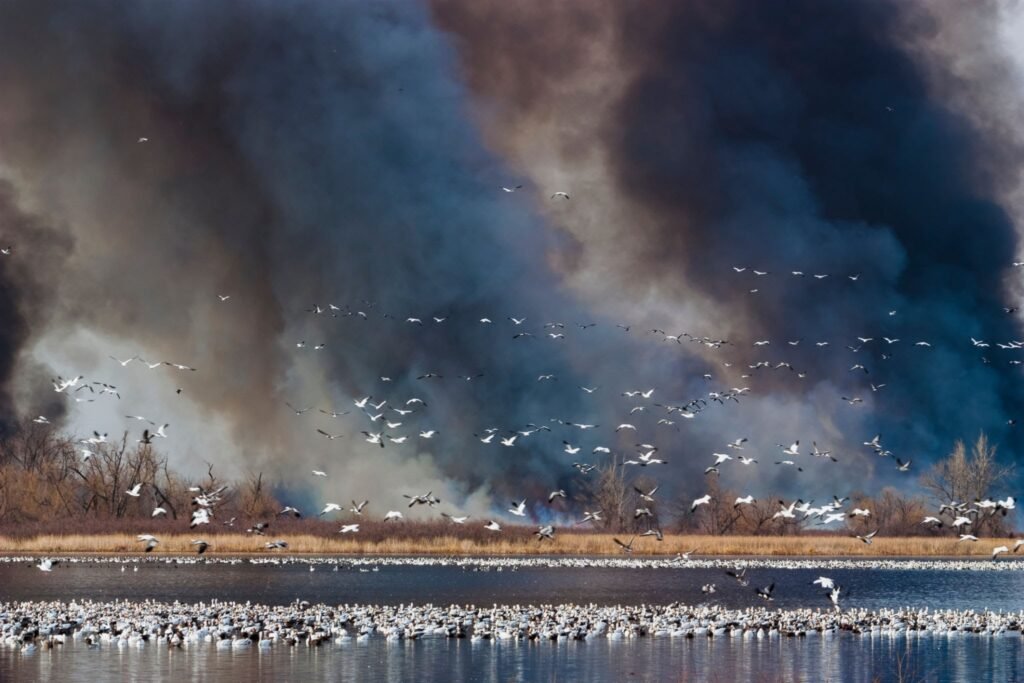
Massive wildfire seasons across western North America and boreal Europe have turned key stopover corridors into choking corridors of ash and heavy PM2.5 pollution. Migrating birds, possessing some of the most efficient yet delicate respiratory systems in the animal kingdom, are forced to navigate hundreds of miles through toxic smog or fly endless extra detours over scorched earth with nowhere to land.
It is deeply agonizing to watch a tiny, exhausted Blackpoll Warbler (Setophaga striata)—a 12-gram miracle that flies non-stop over the ocean—drop into a parched, dust-covered tree in a suburban park, desperately searching for leaves with tiny insects or a single drop of water that simply isn’t there anymore.
What the Peer-Reviewed Science Says
- Compound Climate Events: A landmark study in Global Change Biology by Bates et al. highlights how compound climate events—the simultaneous occurrence of severe droughts, record heat domes, and intense wildfire smoke—are degrading migratory stopover habitat quality far faster than birds can physiologically or behaviorally adapt.
- Wildfire Smoke & Respiratory Distress: Emerging research in Biodiversity and Conservation led by Adegbola et al. (2026) demonstrated that wildfire smoke significantly alters bird detection and behavior across broad geographic areas, causing acute respiratory distress, reducing vocalizations, and forcing birds to hide or alter flight paths.
- Suppressed Flight Calls: A study in Frontiers in Ecology and the Environment confirmed that dense wildfire smoke plumes suppress nocturnal flight calls in migrating songbirds and alter flight altitudes, forcing birds to waste critical energy reserves climbing above smoke layers.
The traditional “migration calendar” we grew up with is crumbling before our eyes. The birds aren’t just adjusting their flight paths for convenience; they are fleeing unlivable, burning landscapes, running out of fuel over terrain that no longer supports life.
The Double-Edged Sword: Ecological Dangers vs. Avian Resilience
| Challenge / Factor | Impact on Migratory Birds | Field Observation |
| Lethal Dehydration | Rapid depletion of muscle mass and fat reserves over dried wetlands. | Increased mortality rates during transit legs. |
| PM2.5 Smoke Inhalation | Lung inflammation, reduced oxygen efficiency, weakened immune response. | Birds grounding prematurely, reduced vocal activity. |
| Avian Botulism | High heat and stagnant, overcrowded water trigger Clostridium botulinum blooms. | Mass mortality events in waterfowl pockets. |
| Micro-Refuges | Irrigated parks, yards, and shade farms provide emergency stopovers. | High concentrations of songbirds in urban oases. |
| Behavioral Plasticity | Shifts to nighttime travel to avoid daytime heat; altitude adjustments. | Altered flight patterns logged on migration radar. |
How to Adapt Your Birding Strategy This Autumn
To successfully locate birds and contribute meaningful field data during dry, volatile migration seasons, you must rethink traditional birding hotspots and tactics:
1. Follow the Water (Pivot to Non-Traditional Hydrology)
When natural marshes and seasonal lakes dry up, look for guaranteed, artificial, or deep-water sources:
- Reservoirs with Low Water Levels: Dropping reservoir levels expose vast mudflats that attract massive numbers of displaced shorebirds.
- Agricultural Runoff & Wastewater Facilities: Treatment lagoons often become the only wet habitats for miles, making them magnet hotspots for vagrants.
- Shaded Riparian Canyons: Deep, forested river valleys retain humidity and cooler microclimates, offering shelter and insects for migrating songbirds avoiding heat domes.
2. Monitor Real-Time Digital Tools
- BirdCast (Cornell Lab of Ornithology): Check nightly weather radar predictions to anticipate heavy migration pulses, especially following the passage of cold fronts that clear out heat domes.
- eBird Alerts: Set up rare bird and hotspot alerts for your region to react quickly when displaced vagrants show up in unexpected local patches.
3. Gear Spotlight: High-Performance Field Optics
Observing birds across heat-distorted mudflats or through hazy, smoky skies requires top-tier optical clarity. Equipment equipped with Extra-low Dispersion (ED) or HD glass coatings drastically reduces chromatic aberration and cuts through severe atmospheric glare, allowing you to pick out subtle feather details on distant, exhausted shorebirds resting on distant sandbars.
How You Can Help: Transforming Your Yard into a Lifeline
You don’t need to travel to distant nature reserves to make a tangible difference for migrating birds this fall. As natural habitats shrink, suburban yards and balconies can serve as crucial emergency stopovers.
Log Every Sightling on eBird: Every checklist you submit helps scientists map how climate change, heatwaves, and droughts are reshaping the future of biodiversity in real time.
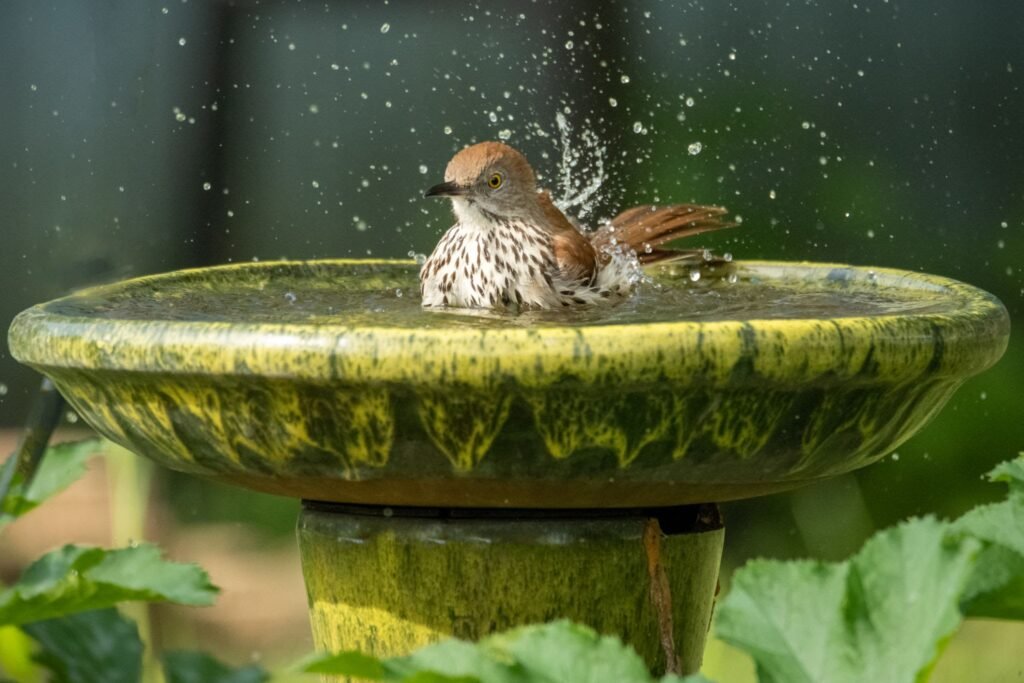
Provide Moving, Clean Water: Standing water helps, but moving water is an irresistible magnet. Add a solar-powered fountain pump, a water dripper, or a mister to your birdbath. The sound of dripping water and visual ripples attract species that rarely visit seed feeders, such as warblers, tanagers, and kinglets. Clean water daily to prevent disease spread.
Offer High-Protein and High-Fat Foods: Provide live or dried mealworms, suet cakes, hulled sunflower seeds, and peanut hearts. Plant native, berry-producing shrubs (such as Dogwood, Serviceberry, and Elderberry) for natural, nutrient-dense forage.
Final Thoughts
The changing weather patterns altering fall migration routes present a daunting, sobering reality. Seeing ancient, reliable migratory corridors bake under heat domes and choke under wildfire smoke has left me profoundly shocked and deeply concerned for the future of these incredible species. That shock is precisely why I knew I had to write this article—to shine a light on what is happening in real time and to give our community the insights needed to respond.
Yet, amidst this heartbreaking crisis, the sheer determination and resilience of these winged travelers remain breathtaking. Birds are fighting for survival against incredible odds, rewriting their flight paths as the world changes beneath them.
By sharpening our field skills, adapting our search strategies, transforming our backyards into vital micro-refuges, and documenting every sighting through community science, we aren’t just passive observers of a crisis—we become an active lifeline. Thank you for caring, for staying observant, and for standing up for migratory birds on their perilous journeys south.

Lorand Vigh is a nature conservation professional and lifelong birder based in Serbia (Vojvodina). With over 30 years of field experience in birdwatching, habitat protection, and conservation management, he has worked on bird monitoring projects, habitat restoration initiatives, and cross-border conservation cooperation. GoToBirding is a personal project built on real field experience, sharing practical, science-based advice for birders and wildlife photographers.