
Let’s be real for a second—we have all been there. You are sitting at your desk, scanning the latest industry news, maybe drinking your second cup of coffee, and you stumble across a piece of gear that just stops you in your tracks.
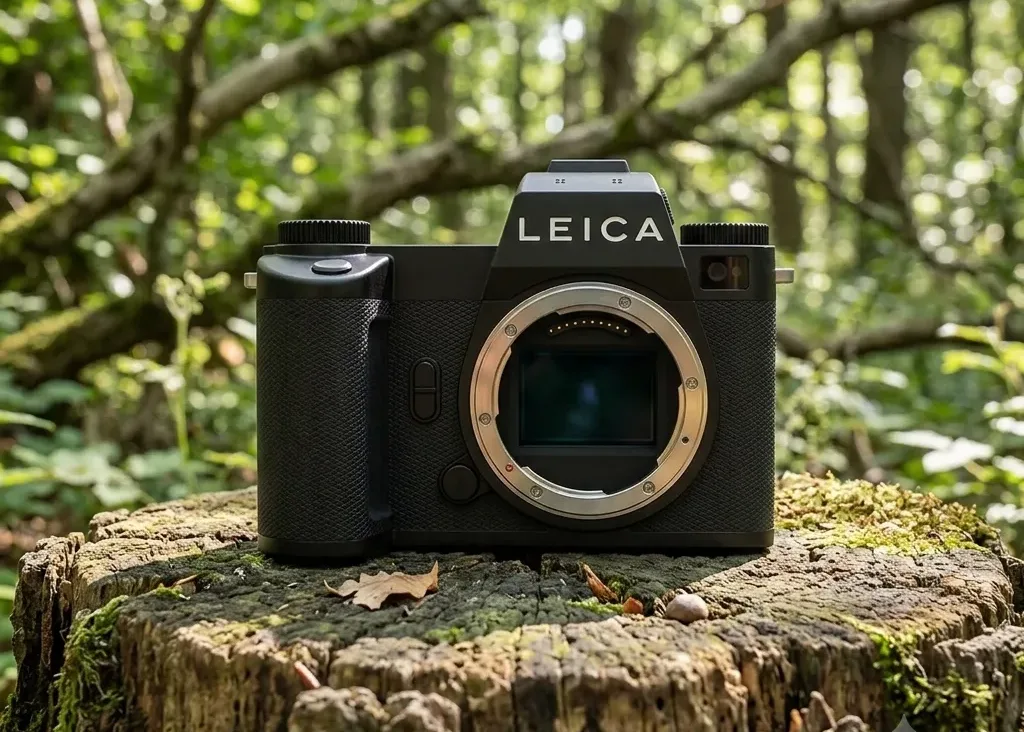
Lately, that “gear” for a lot of people has been the Leica SL3-P.
For a long time, the prevailing wisdom in the wildlife and birding community was simple: “Don’t bother with Leica if you actually want to capture birds.” The lenses were too slow, the autofocus was too sluggish, and the price tag was meant for fashion photographers, not people knee-deep in a swamp waiting for a bittern to pop its head up.
But then, the spec sheet dropped. And if you look closely at what’s under the hood of the SL3-P, you might find yourself doing a double-take.
I’ve been digging deep into the technical guts of this machine, and I have to admit: the landscape has changed. We are no longer talking about a “slow, luxury aesthetic camera.” We are looking at a machine that, on paper, is trying to fight in the heavyweight division.
So, grab a seat. Today, we’re peeling back the curtain on the Leica SL3-P. Is this finally the camera that bridges the gap between high-end luxury and the raw, unrefined world of bird photography? Or is it a $7,000 misunderstanding? Let’s break it down.

The Specs That Changed the Narrative
When I first looked at the Leica SL3-P, I expected a standard mirrorless experience. What I found was a massive internal shift. Let’s talk about the numbers that actually matter to a wildlife photographer.
1. Speed is King: 40 Frames Per Second
The most shocking number on the spec sheet is the continuous shooting speed: up to 40 fps.
In the world of bird photography, speed is your currency. A Kingfisher doesn’t wait for your camera to wake up. A hummingbird doesn’t pose. When a raptor dives, you have a fraction of a second to capture that perfect wing position. 40 fps puts the SL3-P in the same arena as the Canon EOS R5 Mark II and the Nikon Z9. This isn’t a street photography gimmick anymore; this is a high-speed sports-shooting powerhouse.
2. The Sensor: 45MP, Not 60MP
Wait, didn’t the standard SL3 have a 60MP sensor? The SL3-P spec sheet lists a total resolution of 45.8 MP (effective 44.9 MP).
Usually, we chase megapixels, but for wildlife, this is actually a smart move. By dropping the pixel density compared to the 60MP models, Leica has likely prioritized read-out speed and low-light performance. Bigger pixels (relatively speaking) generally mean better ISO performance in those gloomy, shaded forest environments where birders spend most of their time.
3. The 8GB RAM Buffer: The Silent Hero
Here is the spec that most people will overlook: 8GB of internal RAM.
This is the “secret sauce” behind that 40 fps burst rate. Having 8GB of buffer memory means you aren’t going to hit a wall while the camera tries to write data to your card. You can fire away at moving subjects without worrying about the camera locking up mid-action. This is a massive engineering feat that signals Leica is taking “performance” seriously.
The Practicality of the Wild
Specs are one thing, but how does the Leica SL3-P actually handle when you are out in the field?
The Evolution of Speed: How Leica Broke the “Luxury Camera” Mold
To truly appreciate what the SL3-P brings to the table, we need to take a quick trip down memory lane. The Leica SL ecosystem wasn’t built overnight, and for years, wildlife photographers looked at the SL line the same way a farmer looks at a sports car: beautiful, but completely useless in a muddy field.
Let’s look at how we got here:
- The Original Leica SL (Typ 601 – 2015): When Leica introduced its first full-frame mirrorless system, it was a bold statement. It had a modest 24-megapixel sensor and contrast-detection autofocus that was great for studio work but hopelessly lost when trying to track a moving animal. If you tried to shoot a flying bird with the original SL, you mostly ended up with beautifully sharp photos of empty branches where the bird used to be.
- The Leica SL2 (2019) & SL2-S (2020): This was the generation where Leica started listening to the market. The SL2 jumped to a 47-megapixel sensor, making it a landscape photographer’s dream, while the low-light/video-focused SL2-S dropped the resolution to 24MP. Yet, this generation still relied on contrast-detection autofocus, lacking the snappy tracking that wildlife photographers needed.
- The Standard Leica SL3 & SL3-S Generation (2024): This was the revolutionary moment. With the launch of the Leica SL3, the brand finally adopted Phase Detection Autofocus (PDAF) and introduced a massive 60-megapixel sensor. It was soon joined by the Leica SL3-S, maintaining that fast autofocus but opting for a lower-resolution sensor tailored for high-speed video and cleaner low-light files.
- The Leica SL3 Reporter: To cater to heavy field-use, Leica introduced the rugged SL3 Reporter, featuring a dark green, ultra-durable finish and scratch-resistant armoring designed specifically for photojournalists embedded in harsh environments. This proved Leica wanted to leave the studio and head into the wild.
Enter the SL3-P: The Ultimate Performance Refinement
This historical context is exactly why the SL3-P is causing such a stir. Leica took everything they learned from the ruggedness of the Reporter series, the fast autofocus of the standard SL3, and the low-light sensibilities of the SL3-S, and fused them into one ultimate “Purist” professional body.
By scaling back the resolution to a highly optimized 45.8 megapixels, the SL3-P directly addresses the pixel-density bottleneck of the standard 60MP SL3. Combined with the new Maestro IV processor and that massive 8GB RAM buffer, the SL3-P achieves a mind-blowing 40 frames per second.
If you compare the original Typ 601 to the new SL3-P, the evolution is staggering. Leica has evolved the SL line from a slow, deliberate, boutique tool into a high-octane machine capable of capturing split-second action in the deep woods.
The Build: A Tank in a Tuxedo
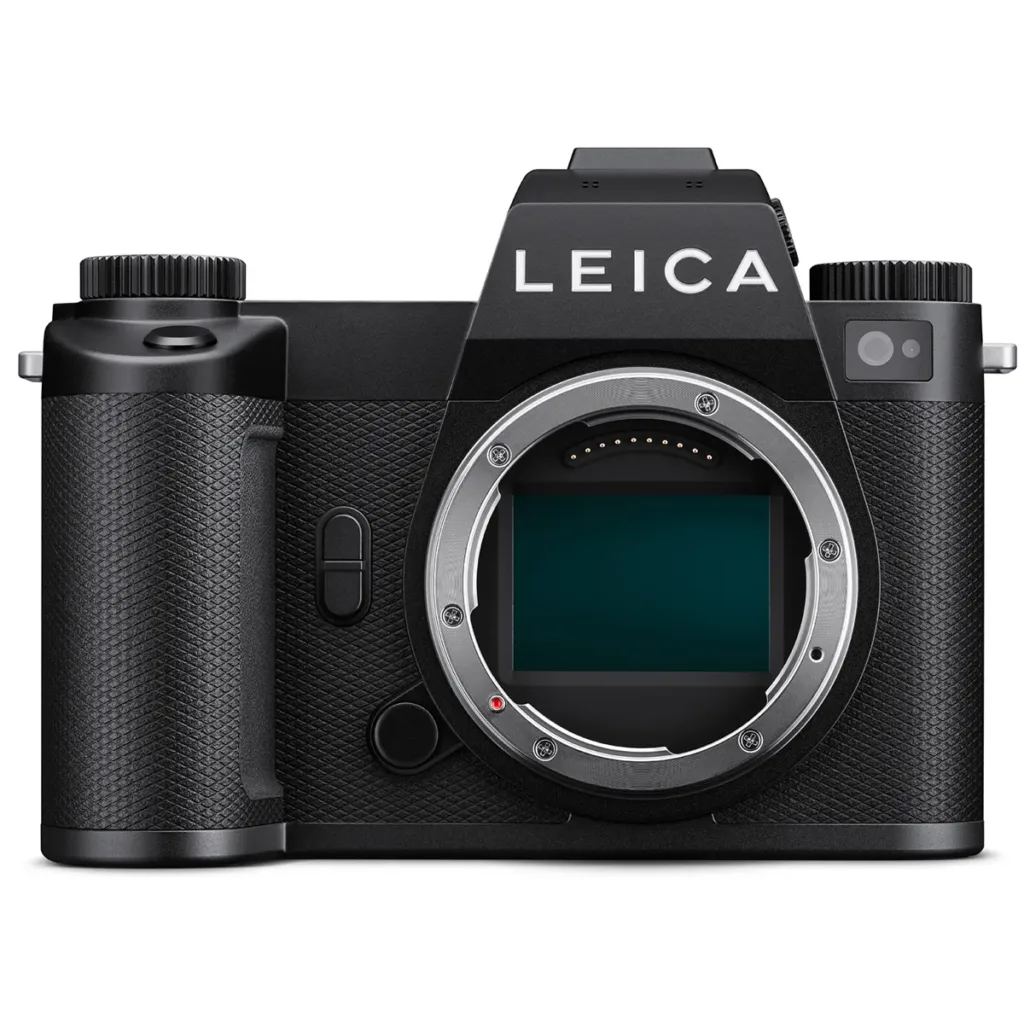
The SL3-P is built with a full metal housing made of magnesium and aluminum, finished with a leatherette covering. It also carries an IP54 protection rating.
If you are a birder, you know that IP54 is your best friend. It means the camera is shielded against dust and splashing water from any direction. I’ve taken gear into the Danube Delta, and believe me, you don’t want to worry about your camera when the mist rolls in or the rain starts falling. The fact that the SL3-P is built to operate between -10°C and +40°C means it’s as rugged as any pro-tier Canon or Nikon.
The Viewfinder: Seeing the Unseen
You are going to be spending a lot of time looking through that EVF. The SL3-P offers a 5.76-million-dot electronic viewfinder with a time delay of only 0.005s. That’s virtually zero lag. When you are tracking a darting swallow, that split-second responsiveness is the difference between a sharp shot and a blurry mess.
The Elephant in the Room (The Lens Ecosystem)
Okay, so the body is a beast. But a camera body is only as good as the glass you put in front of it. And here is where we have to have a very honest, heart-to-heart conversation.
The SL3-P uses the Leica L-bayonet mount.
While it is a fantastic, standardized mount, you are immediately faced with a choice. Leica’s native lens lineup is arguably the most beautiful in the world, but it is heavily skewed toward portraiture, street, and landscape photography.
The Missing Piece: If you look at the catalog for any dedicated wildlife photographer using Canon, Nikon, or Sony, you see massive native 600mm f/4 primes, 800mm lenses, and specialized super-telephoto zooms. Leica does not have a native “Super-Telephoto” wildlife prime in its current high-end SL lineup that rivals the reach and speed of the dedicated sports glass from the competition.
The Workaround: To shoot birds with this camera, you are almost certainly going to be using lenses from the L-Mount Alliance partners, specifically Sigma or Panasonic.
Now, don’t get me wrong—the Sigma 150-600mm or similar lenses are fantastic pieces of kit. But think about the psychology of the purchase: You are buying a $7,000+ Leica body—a masterpiece of German engineering—and attaching a third-party lens to it. While it will work, and it will produce beautiful images, you have to ask yourself: Are you paying for the Leica experience, or are you paying for the sensor performance?
If you put a Sigma lens on a Panasonic S1RII (which is also L-mount), you get 95% of the performance for a fraction of the price. The Leica SL3-P is an incredible tool, but as an investment for a bird photographer, the “lens-to-body” ratio just doesn’t balance out the way it does with the Big Three (Canon, Nikon, Sony).
Who is this camera REALLY for?
After analyzing the data and looking at the specs—40 fps, 8GB RAM, 45MP, 5-axis stabilization—I have to change my tune slightly.
This isn’t a “bad” camera for wildlife. It is actually a high-performance camera for wildlife. The technical specs prove that.
You SHOULD buy this camera if:
- You are a hybrid creator. You shoot high-end, 8K, commercial-grade video (the SL3-P handles 8K OG, C8K, and everything in between effortlessly) and you also need a capable wildlife camera.
- You are already deeply invested in the L-Mount ecosystem.
- You value the “Leica experience”—the tactile feel of the buttons, the user interface, and the prestige—above pure cost-efficiency.
- You want a camera that looks as good on a coffee table as it performs in the field.
You SHOULD NOT buy this camera if:
- You are a “pure” birder whose main goal is to get the maximum reach for the minimum price.
- You prioritize the availability of native, dedicated 600mm or 800mm super-telephoto lenses.
- You are looking for the absolute best price-to-performance ratio for nature photography (there are simply more efficient options on the market for that specific goal).
Navigating the L-Mount: Top Telephoto Options for the SL3-P
If you decide to take the plunge and bring the Leica SL3-P into the field, your next challenge is selecting the right glass. Because the SL3-P is built around the Leica L-mount, you aren’t restricted to Leica-branded lenses alone. You can also tap into the L-Mount Alliance catalog, which includes high-performance optics from Sigma and Panasonic.
Here is a breakdown of the best telephoto options available to pair with this 40fps beast:
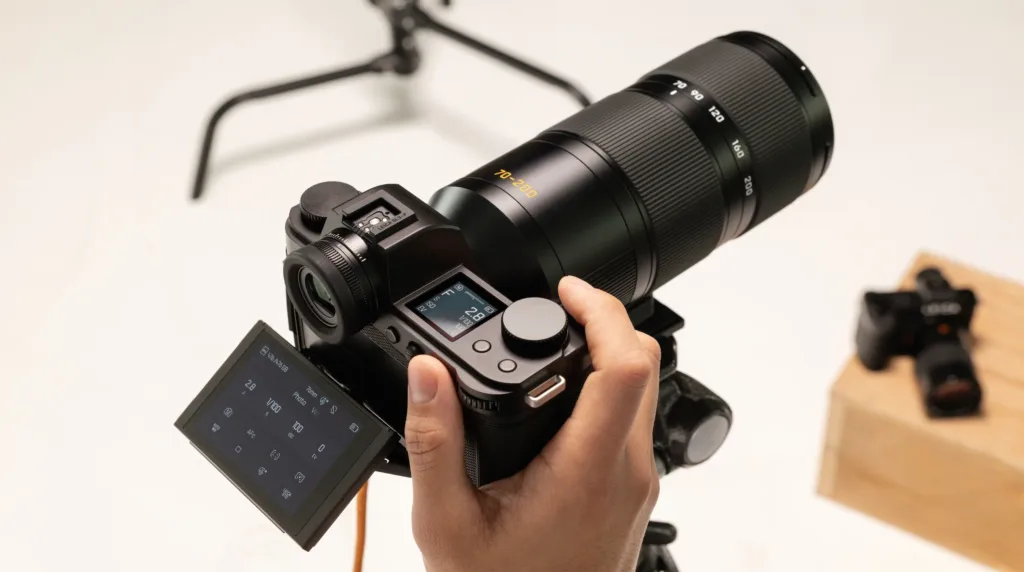
1. Leica Vario-Elmarit-SL 70-200mm f/2.8 ASPH.
For close-range wildlife, environmental portraits of larger animals, or shooting from a well-placed hide, this is Leica’s premier fast zoom. We recently did an incredibly deep dive into this specific piece of glass to see how it handles the pressures of outdoor fieldwork. If you want to see our full breakdown of its autofocus speed, sharpness, and real-world handling, check out our comprehensive Leica Vario-Elmarit-SL 70-200mm Lens Review to find out if it truly is the ultimate tool for wildlife photography.
2. Leica Vario-Elmar-SL 100-400mm f/5-6.3
If you want to keep the entire setup native Leica, this is currently your longest option. The 100-400mm offers spectacular edge-to-edge sharpness and robust weather sealing that perfectly complements the SL3-P’s IP54 housing. While 400mm is a bit short for small, timid songbirds, it is a magnificent, lightweight companion for larger mammals, deer, or birds of prey at closer distances.
3. Sigma 150-600mm f/5-6.3 DG DN OS Sports (L-Mount)
For serious birders who need uncompromising reach, this third-party powerhouse is the most practical choice for the L-mount platform. Dropping this lens onto the SL3-P grants you that crucial 600mm focal length needed to isolate distant subjects. Because it belongs to Sigma’s “Sports” lineup, its internal focusing motors are snappy enough to keep up with the SL3-P’s updated phase-detection system.
4. Panasonic Lumix S PRO 70-200mm f/2.8 O.I.S.
Another excellent Alliance alternative, this lens offers brilliant optical stabilization. While it covers the same focal range as Leica’s native 70-200mm, it presents a slightly different ergonomic feel and a highly reliable focus clutch mechanism that some field photographers prefer for quick manual overrides.
Final Verdict: The “Wild” Conclusion
The Leica SL3-P is a technological marvel. With its 40 fps burst rate, 8GB of RAM, and rugged IP54 weather sealing, it is no longer just a luxury item—it is a legitimate tool for the wild.
However, for the average visitor to gotobirding.com—the person who needs to get as close as possible to a subject 50 meters away using a 600mm or 800mm lens—the Leica system still presents a hurdle. The lack of an expansive, dedicated native super-telephoto ecosystem for the L-mount makes this a “niche” professional choice rather than a “mainstream” wildlife choice.
If you have the budget, and you want to be the only person in the forest with a Leica, you will have a camera that can absolutely get the job done. It will capture the action, it will survive the weather, and it will produce images with that unmistakable, crisp resolution.
But if you are counting your pennies to invest in your next birding trip, save the Leica for the studio. Put your money into a high-speed body from one of the major tele-focused brands, pair it with a dedicated 600mm prime, and go chase those birds.
What do you think? Does 40 fps change your mind about Leica? Would you trust a Leica in the mud, or is it too precious for the wild? Drop a comment below—I want to hear your take!
Happy Birding!
Did you like this deep-dive? Don’t forget to subscribe to the newsletter for more gear reviews, photography tips, and the best birding spots in the region!
Note: To keep gotobirding.com running smoothly, bringing you deep-dive gear guides, and covering our website hosting costs, some of the links scattered throughout this article are affiliate links. If you decide to click on one of these links and make a purchase, I may earn a small commission from the retailer at zero absolute extra cost to you.

Lorand Vigh is a nature conservation professional and lifelong birder based in Serbia (Vojvodina). With over 30 years of field experience in birdwatching, habitat protection, and conservation management, he has worked on bird monitoring projects, habitat restoration initiatives, and cross-border conservation cooperation. GoToBirding is a personal project built on real field experience, sharing practical, science-based advice for birders and wildlife photographers.