
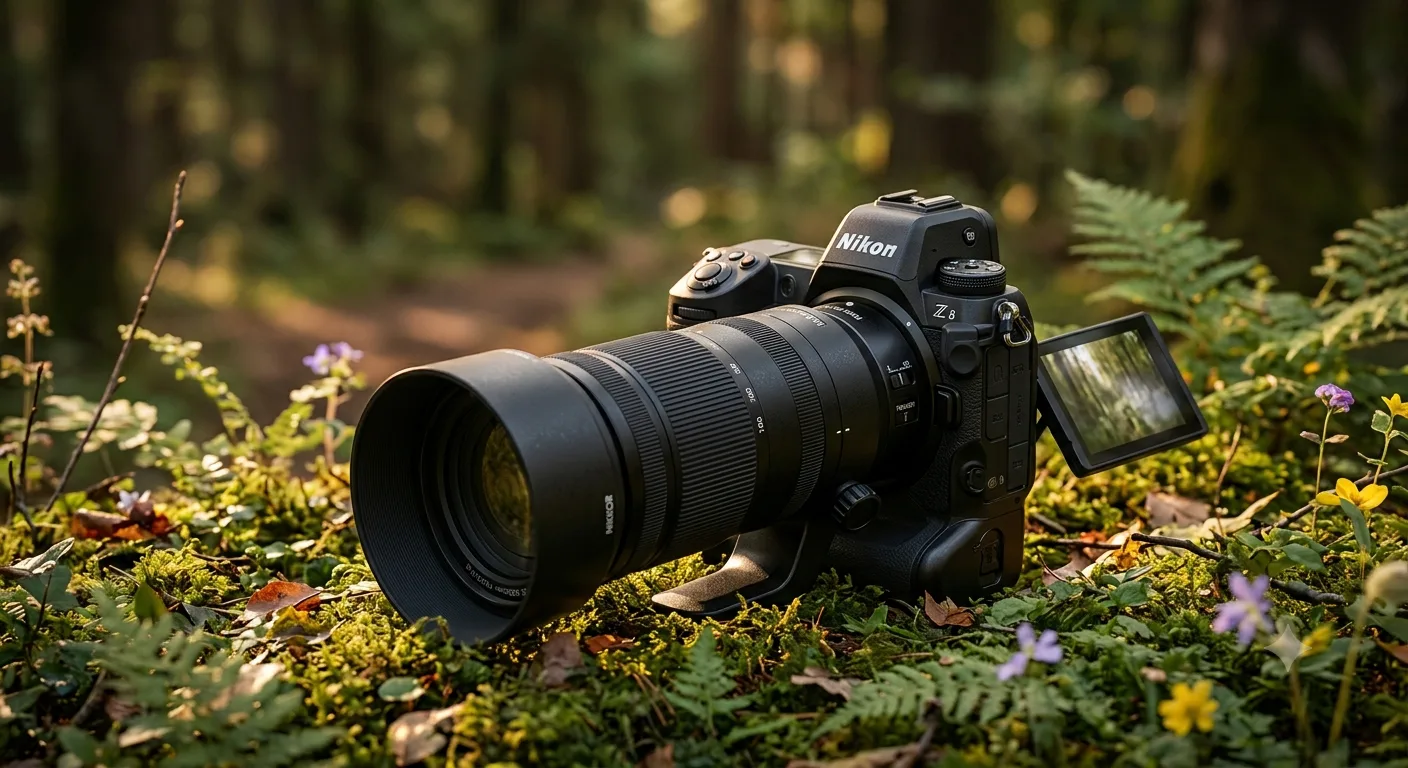
A Deep-Dive Transparent Breakdown of the Best Nikon Gear for Wilderness and Avian Creators
Hey, Boss Birders! Let’s keep it 100% real for a second. If you’re anything like me, your inbox is currently an absolute graveyard of flashy yellow-and-blue countdown timers yelling at you to buy kitchen air fryers, generic phone chargers, or bulk packs of socks. It’s that exact mid-summer week where the internet collectively loses its mind over “Mega Sales.” But if your goal isn’t to restock your pantry, but rather to finally capture that pristine, crisp image of a Golden Oriole or a flitting Nuthatch without motion blur, you already know the truth: the giant general retailers don’t care about your craft.
Today, we are doing things differently. No hype, no pressure, no corporate sales pitches. Just an honest, narrative, deep-dive chat about why I look elsewhere during this madness—specifically looking at how specialized camera hubs like Adorama run parallel events that actually slash prices on heavy-duty glass and mirrorless bodies. Pull up a chair, grab a coffee, and let’s talk about the exact gear that will level up your creative authority out in the field.
The Psychology of “The Hype” vs. Real Gear Realities
Let’s talk about the philosophy that changed the way I build my gear bag and my business: Your community doesn’t buy what you do; they buy why you do it, and they trust you to shield them from the noise. The internet wants you to believe that if you don’t click “Add to Cart” within the next 43 minutes, your photography journey is somehow stagnant. That is a complete illusion designed to trigger FOMO.
When I first started diving deep into avian photography, I fell into the classic beginner trap. I bought a cheap, plastic multi-zoom lens bundled with three different low-quality filters and a tripod that could barely withstand a light summer breeze on an open plain. Why? Because it was labeled an “Incredible Prime Lightning Deal.” Within three months, that setup became a paperweight. It couldn’t track birds in flight, the chromatic aberration made magnificent plumage look like an out-of-focus rainbow, and the tripod almost dropped my camera right into a marshlands stream.
True creative authority comes from intentionality. We don’t buy gear because it’s cheap; we invest in systems because they expand our capability to tell a story. This week, while the rest of the world fighting over discounted smart-home plugs, we are analyzing the specialized camera ecosystem. Specialty houses use this exact window to clear inventory and offer competitive manufacturer incentives on high-end glass, making it the perfect strategic moment to secure tools that will last you a decade, not a season.
Why Nikon for Bird and Wildlife Photography?
Every camera ecosystem has its own distinct personality. Canon has its spectacular color science; Sony has its aggressive, pioneering electronics. But for those of us who spend hours crouched in damp thickets, waiting for a rare raptor to reveal itself, Nikon holds a massive place in our hearts. Why? Because Nikon builds gear like tanks, and their autofocus tracking logic—especially in the Z-system era—is deeply aligned with the erratic, lightning-fast geometry of avian movement.
When you are tracking an Eastern Imperial Eagle navigating thermal currents, or trying to freeze the rapid wingbeats of Goldfinches visiting a smart bird feeder, you aren’t just shooting an object. You are tracking a living, unpredictable pulse. Nikon’s deep learning subject detection recognizes the eye, head, and torso of birds with breathtaking accuracy. Combine that with their historic optical mastery—the sharpness of their glass is legendary—and you have a recipe for images that genuinely move people.
Deep Dive Breakdown: The Top Nikon Gear Investments
Below, I’m breaking down the specific Nikon options available during these mid-summer specialist events. Remember, don’t look at these as simple consumer items. Look at them as modules that unlock your creative freedom.
Nikon Z8 Mirrorless Digital Camera Body
The True Hybrid Masterpiece — Special Incentive Live
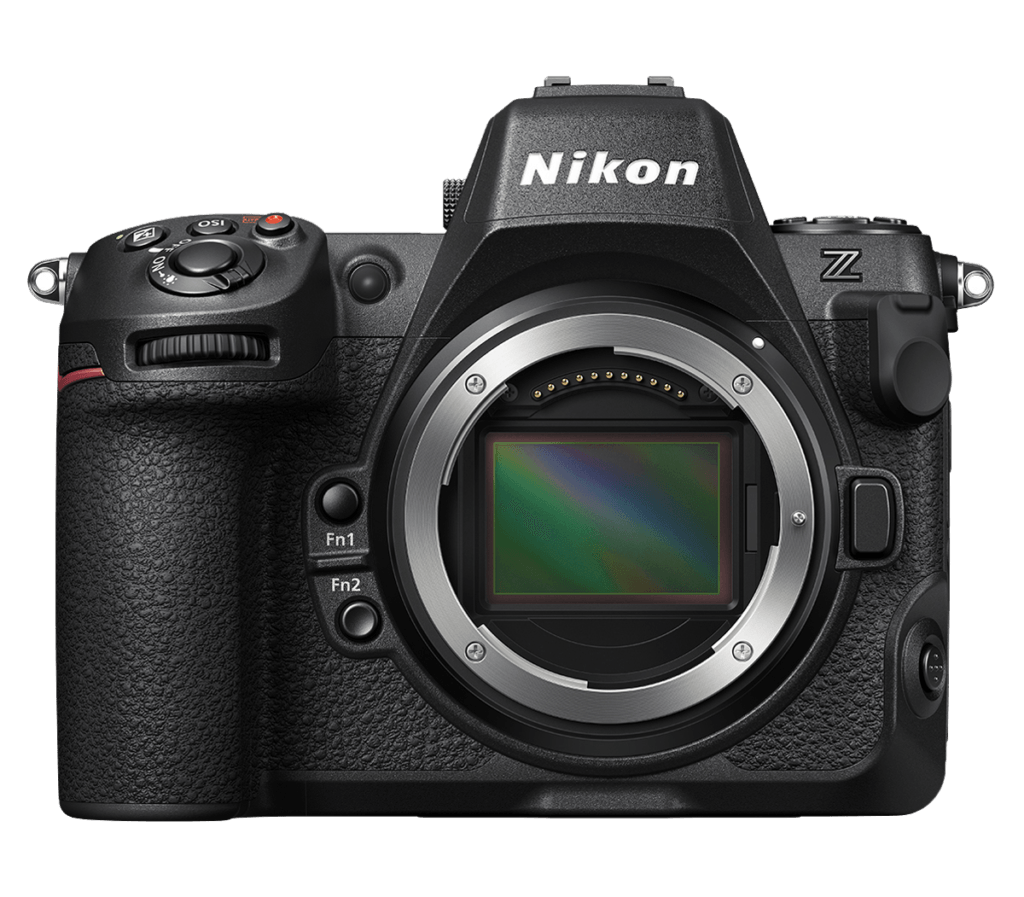
If the flagship Z9 is an absolute monarch, the Z8 is the agile prince that actually rules the kingdom for everyday creators. It brings almost the exact same processing muscle, stacked sensor technology, and blackout-free electronic viewfinder into a body that doesn’t require a dedicated suitcase to carry into the woods.
Read the full review of Nikon Z8 Mirrorless Camera
For birding, the Z8 is a total game-changer. The 45.7-megapixel stacked CMOS sensor delivers blistering readout speeds that completely eliminate rolling shutter distortion. That means when a hummingbird is darting at a million miles an hour, its wings won’t look like bent plastic spoons in your final frame. More importantly, the Pre-Release Capture feature allows the camera to start buffering images the moment you half-press the shutter. When the bird finally takes off, even if your reaction time is a split-second late, the camera has already captured the frame. It feels almost like cheating, but in the best way possible for your creative peace of mind.
Nikon Z 180-600mm f/5.6-6.3 VR Lens
The Ultimate Wildlife Reach — Highly In-Demand
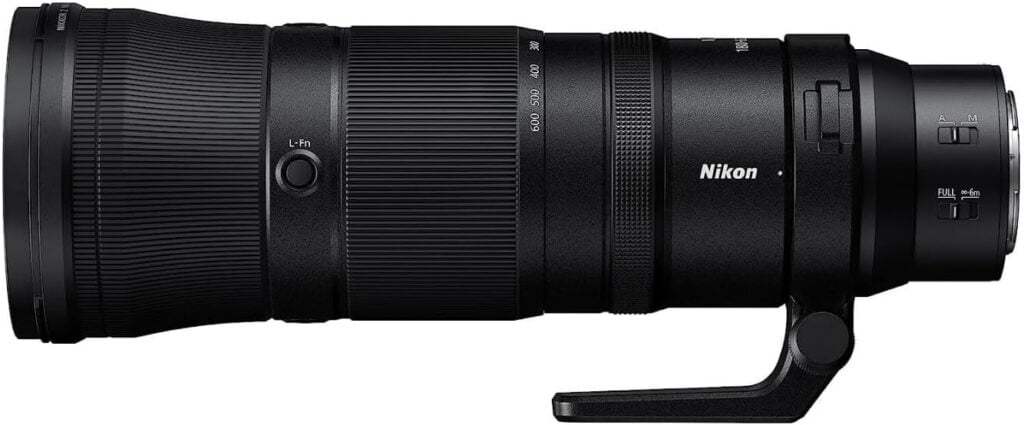
Let’s talk about the reality of focal length. In bird photography, 300mm is a tease, 400mm is a starting point, but 600mm is where the real magic happens. The Nikkor Z 180-600mm is the lens that democratized ultra-telephoto performance for independent creators who don’t have a five-figure National Geographic budget.
What makes this lens an absolute essential for your kit is its internal zoom mechanism. The physical length of the lens does not change when you zoom from 180mm to 600mm. Why does that matter? It keeps the weight distribution completely balanced, meaning your hands won’t tire out during long tracking sessions, and it doesn’t scare off sensitive species with sudden physical expansions. The Vibration Reduction (VR) offers up to 5.5 stops of stabilization, giving you the power to shoot tack-sharp images handheld at twilight when birds are most active.
Nikon Zf Mirrorless Digital Camera
Classic Soul Meets Modern Autofocus Power — Sleek Option
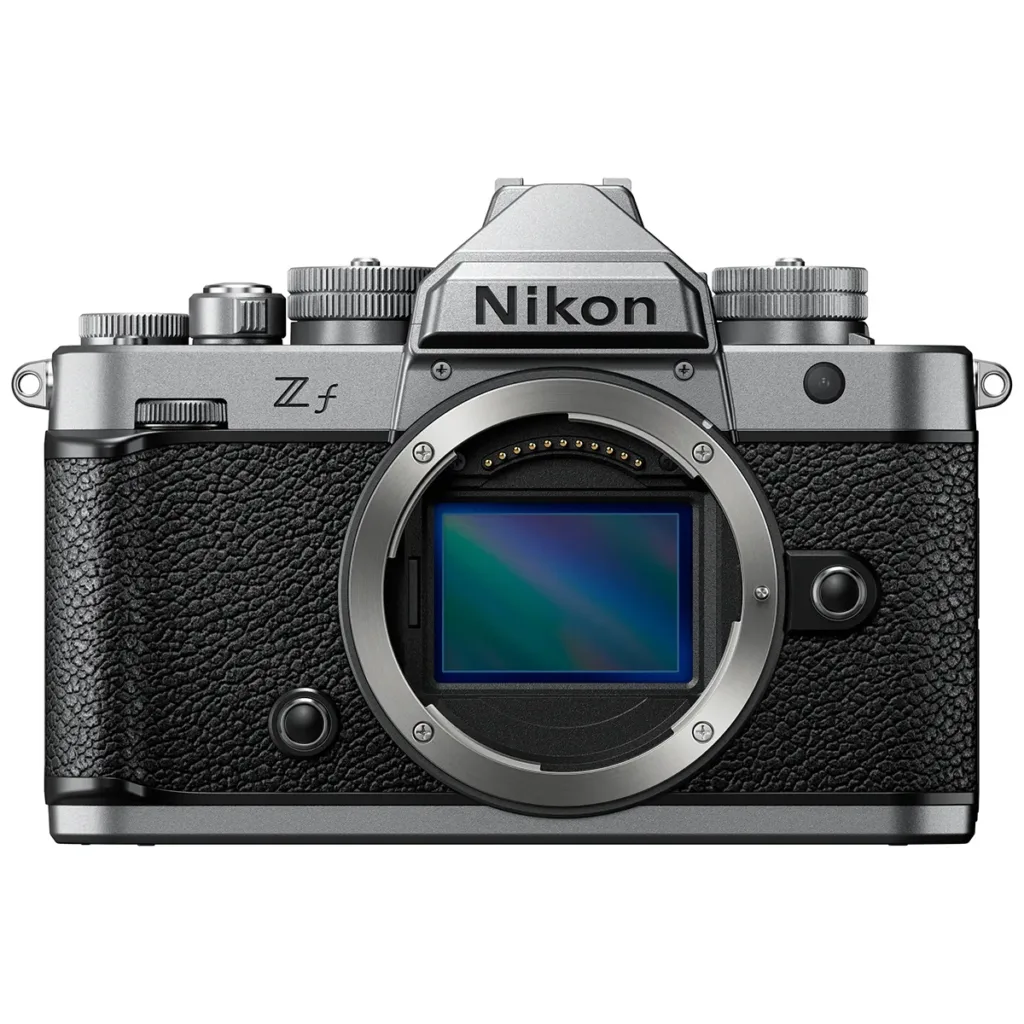
I know what you’re thinking: “Why are you recommending a retro-inspired, tactile camera body for serious birding?” Because style and ultimate modern performance don’t have to be mutually exclusive. Underneath that gorgeous, vintage exterior with brass dials lies the exact same EXPEED 7 processing engine found in the Z8 and Z9.
Read the full review of Nikon Zf Mirrorless Camera
The Nikon Zf camera features dedicated bird detection autofocus, wrapped in a beautiful chassis that reminds us why we fell in love with photography in the first place. If you are someone who blends your birdwatching with lifestyle vlogging, travel documentation, or elegant nature essays, this camera provides a beautiful aesthetic workflow without sacrificing the technical tracking speed needed to capture a sudden avian visitor.
Direct Comparison: Selecting Your Ideal System
- Nikon Z8
- Primary Strength for Birding: Blackout-free 20fps, 45.7MP high resolution, Pre-Release Capture.
- Weight & Portability: Medium (910g) – Balanced structure.
- Best Paired With: Nikkor Z 180-600mm or prime super-telephotos.
- Nikon Zf
- Primary Strength for Birding: Excellent low-light performance, beautiful tactile retro UI, affordable EXPEED 7.
- Weight & Portability: Lightweight (710g) – Highly compact.
- Best Paired With: Prime lenses or lightweight compact zooms.
- Z 180-600mm VR
- Primary Strength for Birding: Incredible versatility, 600mm reach, internal zoom tracking.
- Weight & Portability: Heavy (1955g) – Requires robust handling.
- Best Paired With: Nikon Z8 or Z9 for maximum autofocus speed.
“Your gear shouldn’t be an obstacle between your eye and the natural world. It should be an invisible bridge that translates your patience into a timeless piece of visual art.”
The Sustainable Content Creator Workflow: Turning Passion Into Freedom
Let’s take a macro view for a moment. Buying an incredible camera setup shouldn’t just be about accumulating gear; it’s about what that gear represents for your lifestyle. On gotobirding.com, we talk a lot about the joy of observation, but we also care deeply about building a sustainable, impactful presence online. When you invest in a professional hybrid system like the Nikon Z8, you aren’t just buying a tool that takes still images. You are buying a high-end 8K video production studio wrapped in weather-sealed magnesium alloy.
Think about the content ecosystem you can build around a single morning in a nature reserve:
- The Fine Art Masterpiece: A high-resolution 45MP still of a rare species, optimized for print sales or premium editorial features.
- The Immersive Video Essay: 4K/120p slow-motion footage capturing the physics of flight, perfect for long-form YouTube education that positions you as an expert.
- The Micro-Content Engine: Quick vertical clips showcasing behind-the-scenes tracking techniques, building your community across short-form platforms.
When you look at your equipment through the lens of asset creation, the upfront price transformation transforms from an expense into foundational infrastructure for your brand.
Step-by-Step Action Plan for Navigating Specialist Deals
If you want to approach this week like a true professional, avoid chaotic clicking. Follow this simple, highly effective strategy to make sure you protect your budget while securing the absolute highest value:
- Audit Your Current Friction Points: Sit down with your current camera and ask yourself honestly: What is causing me to miss shots? Is it poor reach? Slow autofocus tracking? Bad low-light performance? Only invest in a tool that directly removes a bottleneck.
- Look for Parallel Event Bundles: Specialist platforms like Adorama don’t just cut the base price. They frequently bundle high-value extras—like premium memory cards, weather-sealed bags, or free extended warranties—that would normally cost hundreds of extra dollars. Check the whole listing page thoroughly.
- Utilize Trade-In Programs: Don’t let your old DSLR bodies or unused lenses sit in a drawer gathering dust while losing market value. Use this high-activity week to leverage trade-in bonuses, turning your past equipment into immediate currency toward your next-generation mirrorless system.
Final Thoughts: Stand in Your Authority
At the end of the day, remember this: the camera does not make the photographer, but the right tool absolutely removes the limitations that hold your talent back. Don’t let the corporate algorithms rush you into buying things you don’t need this week. Be intentional, stand firm in your creative goals, and choose tools that respect your art as much as you do.
If you found this narrative breakdown helpful, make sure to save the link, check out the specialized event listings via our curated community links, and share your latest field captures with us in the community group. Now get out there, stop scrolling, and go capture something extraordinary!
Boss Birder Q&A: Everything You’re Actually Wondering Right Now
Let’s be real—investing in photography gear can feel like trying to read a map in a storm. There is so much noise out there. To save you hours of scrolling through conflicting forum threads, here are the raw, unfiltered answers to the questions that land in my inbox every single week.
Q: “Is 400mm really enough for bird photography, or do I absolutely need to jump to 600mm?”
A: Here is the honest truth: 400mm is fantastic if you are shooting from a professionally set up hide, or if you are documenting larger water birds like herons and storks. But if your passion is songbirds, warblers, or skittish raptors, 600mm is where the real magic happens.
With a 400mm lens, you’ll constantly find yourself cropping your images in post-production, which degrades your image quality. The Nikkor Z 180-600mm gives you that critical extra reach so you can stand under your authority as a creator without physically crowding (and scaring off) the wildlife.
Q: “I’m just a hobbyist. Is the Nikon Z8 overkill for me? Should I just get a Z6III or Z7II instead?”
A: I get this question all the time! “Sunny, do I really need a mini-Z9?” Here is my philosophy: it’s not about your title (hobbyist vs. pro), it’s about your friction points.
If you are shooting landscapes, the Z7II is a masterpiece. But bird photography is a completely different beast. The erratic, lightning-fast geometry of a bird taking flight requires top-tier processing power. The Nikon Z8 features a stacked sensor and the EXPEED 7 engine, which means zero viewfinder blackout and instantaneous bird-detection autofocus. If you can swing the budget—especially with the current mid-summer event incentives—the Z8 will save you from the ultimate creative killer: frustration. It’s an investment that grows with your skills.
Q: “How does Nikon’s gear handle sudden weather changes during field research?”
A: If you’re going to step into your authority out in nature, you can’t be afraid of a little rain. One of the main reasons I advocate for Nikon’s higher-end ecosystem is that they build their gear like absolute tanks.
Both the Nikon Z8 body and the Z 180-600mm VR lens feature extensive, pro-tier weather sealing. They are designed to keep out dust, moisture, and sudden summer downpours. I’ve been out in damp thickets and unexpected morning mists where cheaper, plastic setups would have short-circuited, and my Nikon gear didn’t even blink.
Q: “What are the ‘unsung heroes’ I should grab during these camera sales to protect my kit?”
A: Everyone hypes up the camera bodies and the massive glass, but if you want a sustainable workflow, you need the right support system. If you’re browsing the specialist deals this week, do not forget these three essentials:
- A Heavy-Duty Monopod or Gimbal Head: Carrying a 2-kilogram lens like the 180-600mm for four hours will ruin your posture and your day. A solid gimbal head completely balances the weight, giving you fluid, weightless movement to track flying birds. PDF
- CFexpress Type B Cards: The Z8 shoots at a blistering 20 frames per second. If you put a cheap, slow SD card in that camera, your buffer will choke instantly, and you’ll miss the shot. Invest in a fast card while they are discounted. PDF
- A Premium Smart Feeder for Setup Tracks: Want to practice your tracking and test your new lens settings before heading deep into a national park? Setting up a high-quality smart bird feeder in your yard is the ultimate “cheat code” to study local species’ behavior and flight patterns from the comfort of your home.
Q: “How do I take advantage of Adorama’s parallel events without getting overwhelmed?”
A: Take a breath, drop the FOMO, and use the 3-Step Action Plan we outlined above. Audit what is currently holding your photography back. If it’s autofocus speed, look at the Z8. If it’s reach, look at the 180-600mm.
Check for bundle options on the listing pages (they often throw in free bags or memory cards), and don’t hesitate to use their Trade-In program to turn your old, dusty DSLR gear into immediate currency for your new mirrorless system.
Note
Some of the links in this guide are affiliate links. This means that if you choose to make a purchase through them, I’ll earn a small commission at zero extra cost to you. As always, I only stand in my authority and recommend gear that I genuinely believe will elevate your craft and solve your friction points out in the field. Thank you for supporting the community here at gotobirding.com!
Lorand Vigh is a nature conservation professional and lifelong birder based in Serbia (Vojvodina). With over 30 years of field experience in birdwatching, habitat protection, and conservation management, he has worked on bird monitoring projects, habitat restoration initiatives, and cross-border conservation cooperation. GoToBirding is a personal project built on real field experience, sharing practical, science-based advice for birders and wildlife photographers.