
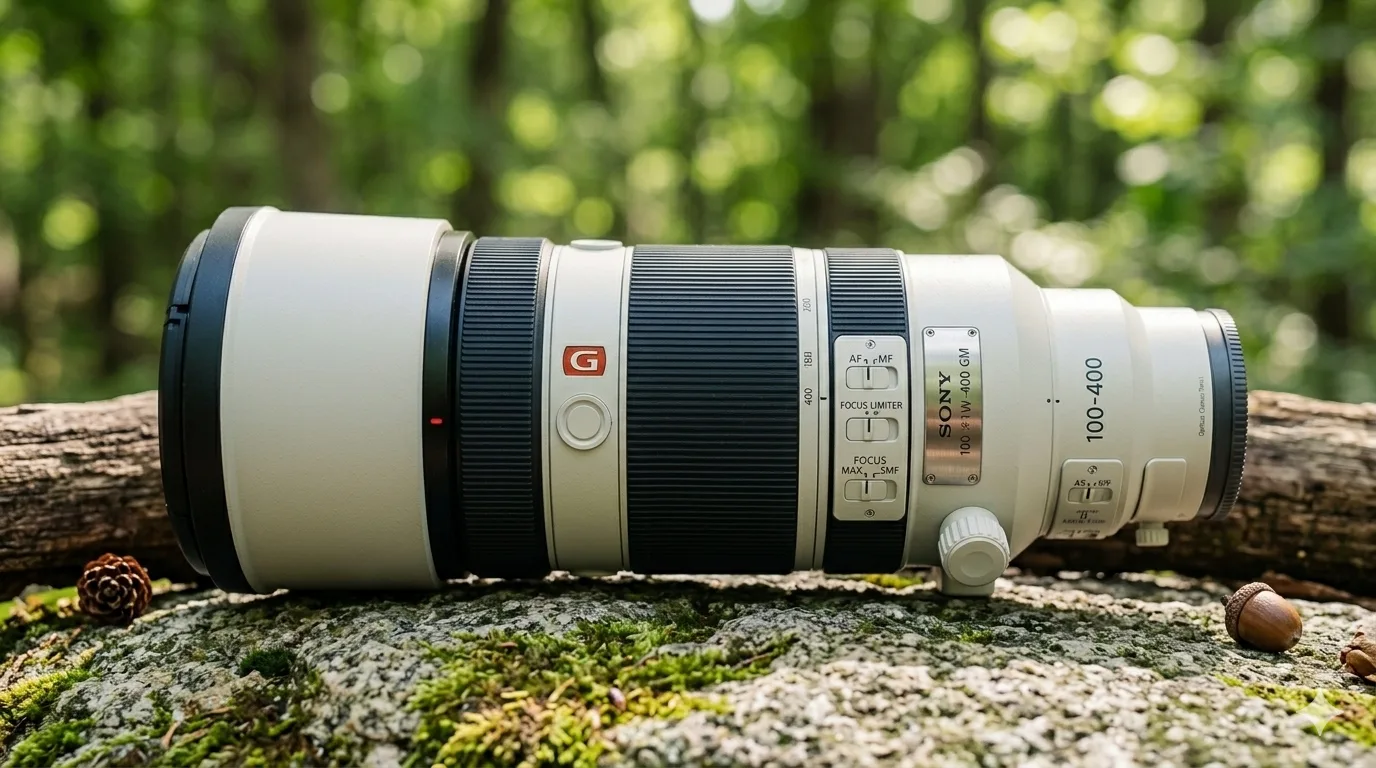
Bird photography is a brutal balancing act that tests both the photographer and their gear. We demand extreme reach to resolve fine feather details on a distant warbler. We need blistering autofocus speed to track a swift in erratic flight. Most importantly, we want a lightweight, maneuverable build for those grueling six-hour treks through dense wetlands or steep forest trails. For years, we made do with what was available, but the requirements of modern high-resolution sensors have pushed older optics to their limits.
When Sony released the original Mark I lens, it quickly became a staple in many birding kits worldwide. It was revolutionary for its time, but as we spent more hours in the field, the flaws became apparent. The extending barrel design was a magnet for dust and moisture. The dropping aperture at 400mm often left us struggling during the most critical moments of the day. We needed something better, something designed specifically for the rigors of wildlife work.
As you might remember, I wrote about this lens the exact moment it was announced, and the excitement was palpable. Back then, the specs looked like a dream on paper. Now, that dream is a reality. The highly anticipated Sony FE 100-400mm f/4.5 GM OSS II is finally available for order. This isn’t just a minor incremental update or a simple facelift. It is a ground-up revolution in telephoto engineering. Sony has listened to the community and fixed the most frustrating field problems we face every day.

Note: As an Adorama associate, I earn from qualifying purchases. If you click on the links in this article and make a purchase, I may receive a small commission at no extra cost to you. This helps support gotobirding.com and allows me to keep creating high-quality gear guides for the birding community. Thank you for your support!
The Evolution of Sony’s Avian Optics: How We Got Here
To truly appreciate this new lens, we must look backward. For years, bird photographers faced a rigid choice. You either bought heavy, expensive prime lenses, or you settled for compromises. Sony changed that landscape with the original 100-400mm G Master. It offered versatility, gave us sharpness, and quickly became the gold standard for mobile birding setups. But technology never stands still.
As camera sensors evolved, our demands grew higher. The leap to high-resolution bodies exposed the physical limits of first-generation telephotos. Variable apertures meant losing light at the worst moments. External barrels meant constantly cleaning dust after a day in the field. Photographers loved the original glass, but everyone dreamed of a modern update that checked every single box.
Sony listened to those years of field feedback. The development of the new version shows a clear shift in philosophy. Engineers didn’t just tweak the optical coatings. They redesigned the entire architecture. By moving to a constant aperture and an internal chassis, Sony closed the gap between zooms and premium primes. This release marks the culmination of a decade of mirrorless evolution, built specifically for the needs of modern wildlife creators.
The Constant f/4.5 Aperture: More Light for the Magic Hour
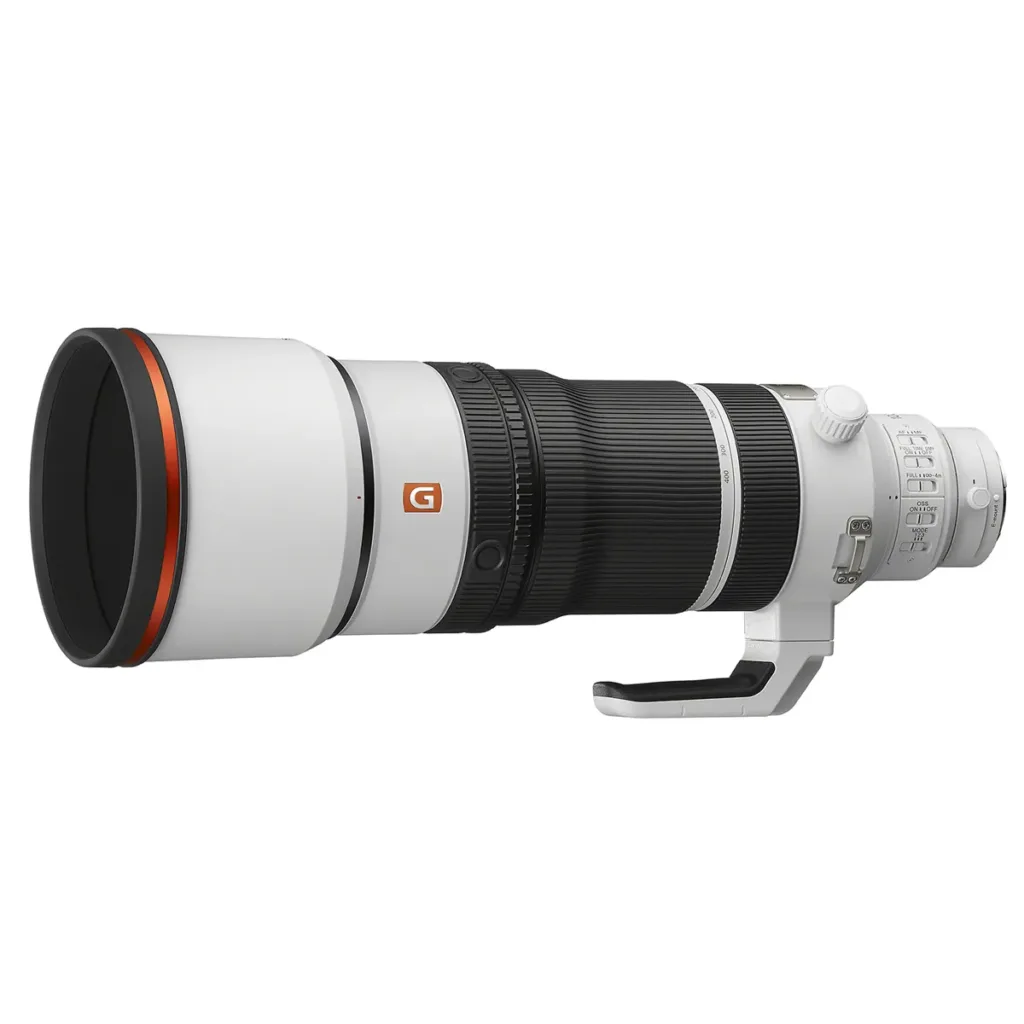
The best birding action almost always happens during the “magic hours.” Dawn and dusk are when birds are most active, feeding, and displaying. Unfortunately, these are also the moments when ambient light is at its absolute lowest. In the thick canopy of a forest, that light disappears even faster. Every photon counts when you are trying to capture the perfect shot of a rare species.
The old Mark I lens used a variable aperture design. It dropped to f/5.6 as soon as you zoomed out to 400mm. To keep your shutter speed high enough—typically 1/2000s or faster to freeze wing motion—you were forced to crank up the ISO. This resulted in noisy images that destroyed fine textures and muddy colors. The new Sony FE 100-400mm f/4.5 GM OSS II completely rewrites these rules. It introduces a constant f/4.5 maximum aperture across the entire focal range.
- Cleaner Images: Staying at f/4.5 at 400mm lets in significantly more light than the previous generation. Your ISO stays lower, preserving the pristine texture and micro-contrast of every feather.
- Stunning Subject Separation: Sony paired legendary G Master optics with an updated 11-blade circular aperture. The constant f/4.5 at the long end creates a beautifully soft, creamy background bokeh. Your subject will pop cleanly against busy, distracting branches or messy foliage.
- Faster Shutter Speeds: This extra light allows you to push your shutter speeds even further. You can now freeze the fastest hummingbirds without fearing a grain-filled image. It is a massive advantage for anyone shooting in challenging environments.
Internal Zoom Mechanism: Ultimate Field Protection
Windy beaches, salty ocean spray, and sudden forest downpours come with the territory of bird photography. We go where the birds are, and they don’t always hang out in fair weather. Environmental hazards are a constant, looming threat to our expensive electronic gear. Protection isn’t just a luxury; it’s a necessity for professional results.
The older Mark I lens utilized an external, extending barrel design. Every time you zoomed in or out, the lens barrel physically telescoped. This acted like a mechanical piston. Over time, it literally sucked dust, pollen, and moisture right into the internal glass elements. If you spent a day at the coast, you were almost guaranteed to get salt spray inside your lens. The Mark II replaces this vulnerable design with a robust internal zoom mechanism.
- Uncompromising Weather Sealing: The physical length of the lens never changes, regardless of your focal length. The entire outer chassis is a solid, completely sealed unit. You can shoot in dusty blinds or humid tropical rainforests with absolute peace of mind.
- Flawless Balance on Gimbals: Tracking a bird high in the sky requires smooth, predictable motion. On older lenses, the shifting weight of an extending barrel would cause your tripod head to tilt unexpectedly. The internal zoom keeps the weight distribution perfectly static.
- Compact Handling: Because it doesn’t grow longer, the lens feels more compact and easier to handle in tight spaces. Whether you are shooting from a cramped bird hide or through a small opening in the bushes, the static footprint is a game-changer for stealthy photography.
Quad XD Linear Motors: Keeping Pace with Flight
Capturing a bird taking off from a branch requires an instant, telepathic reaction from your gear. Tracking a raptor diving for prey needs a focus system that moves faster than human sight can follow. If your lens hesitates for even a fraction of a second, the shot is lost forever. There are no second chances in wildlife photography.
The FE 100-400mm GM II packs four XD (Extreme Dynamic) Linear Motors. This is Sony’s most advanced drive system, built specifically for extreme speed and silent operation. It is engineered to fully saturate the blistering tracking capabilities of Sony’s latest AI-driven camera bodies. The lens doesn’t just react; it anticipates.
- Instantaneous Acquisition: The internal lens elements shift with zero hesitation. The autofocus locks onto a bird’s eye instantly and holds on tight. It works flawlessly even when the bird is darting through dense, confusing foliage or reeds.
- 120 fps Tracking Ready: This lens is built for the future of high-speed photography. It seamlessly handles continuous autofocus tracking at up to 120 frames per second. Every single frame in a high-speed burst stays tack-sharp from the tip of the beak to the tail feather.
- Silent and Smooth: The XD motors are nearly silent. This is crucial when you are close to shy species that might be spooked by the mechanical clicking or whirring of older focus systems. You get the speed you need without disturbing your subject.
Head-to-Head: Mark I vs. Mark II for Bird Photographers
To see exactly why this upgrade is worth it for your birding kit, let’s look at how the specifications stack up where it matters most:
| Feature | Sony 100-400mm GM (Mark I) | New Sony 100-400mm GM II | The Birding Advantage |
|---|---|---|---|
| Max Aperture at 400mm | f/5.6 | f/4.5 (Constant) | Sharper low-light shots, lower ISO noise, better bokeh. |
| Zoom Type | External (Extending Barrel) | Internal Zoom | Total dust/moisture protection; perfect balance on gimbals. |
| AF Motor System | Direct Drive SSM & Linear | Quad XD Linear Motors | Blistering fast tracking for erratic, fast-flying species. |
| Aperture Blades | 9-blade circular | 11-blade circular | Noticeably smoother, rounder background highlights. |
Integrating with the Sony High-Resolution Ecosystem
To truly unlock the potential of this lens, you need to pair it with the right body. For the ultimate birding setup, a high-resolution, AI-assisted camera like the Sony Alpha a7R VI is the perfect partner. This combination creates an unstoppable tool for both documentation and artistic expression. The synergy between the lens and the body allows for techniques that were impossible just a few years ago.
Read the full review of the Sony Alpha a7R VI mirrorless camera.
The massive 66.8-megapixel sensor of the a7R VI is a superpower for birders. It allows you to utilize Sony’s Super35/APS-C crop mode instantly in the field. This effectively turns your 400mm reach into a 600mm equivalent at the touch of a button. Even with this crop, you still retain a massive, highly detailed 30-megapixel image—plenty for large-format printing. Best of all, because the lens maintains a constant f/4.5 aperture, you don’t suffer the one-stop light loss of a traditional 1.4x teleconverter.
The lens’s built-in Optical SteadyShot (OSS) is another highlight. It works in perfect, dual-stabilization harmony with Sony’s internal 8.5-stop In-Body Image Stabilization (IBIS). This “Sync IS” effect is incredibly powerful. It allows you to leave the heavy tripod behind and confidently shoot sharp images completely handheld, even at slower shutter speeds. For the mobile bird photographer who values speed and agility, this ecosystem is simply unmatched in the current market.
Final Verdict: Is it Time to Upgrade?
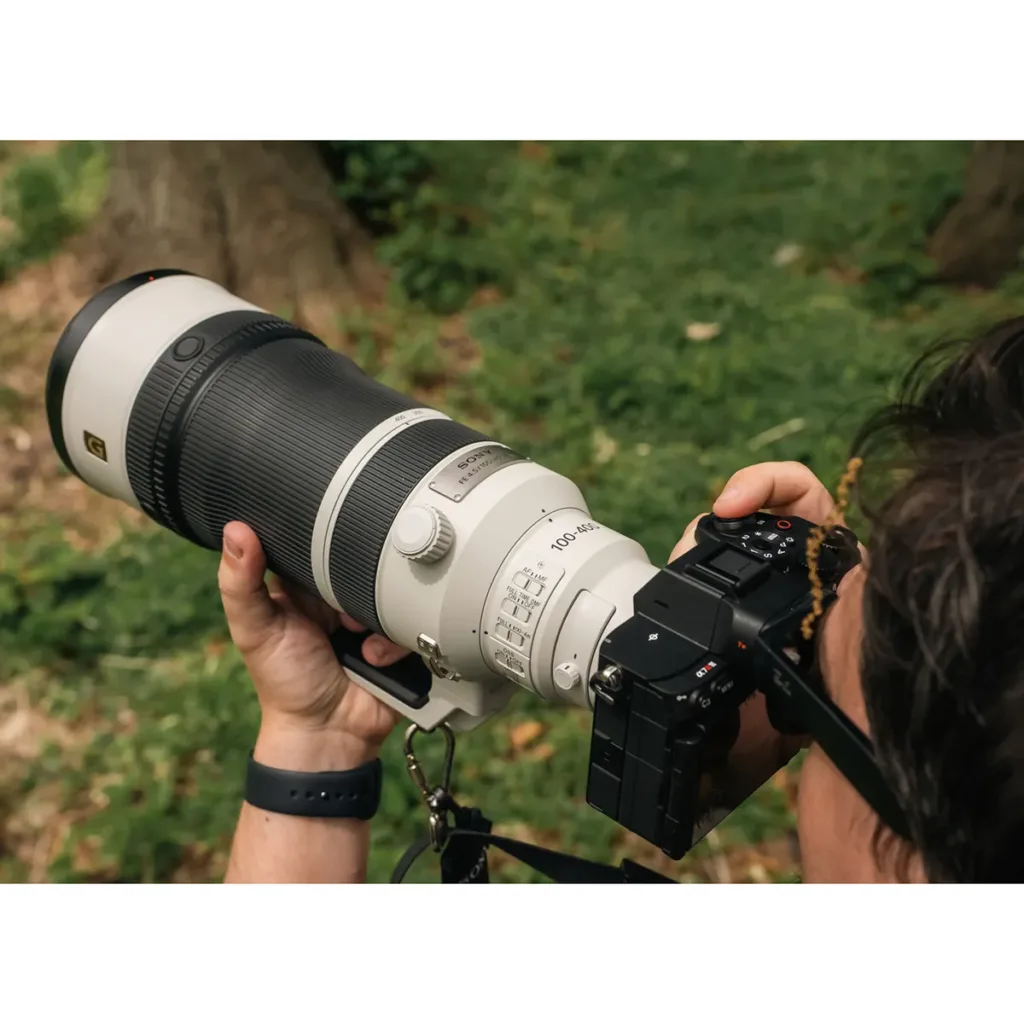
If you are serious about avian photography, the Sony FE 100-400mm f/4.5 GM OSS II is a must-have upgrade. It isn’t just about better specs, it’s about better shots. It addresses every single real-world complaint birders had with the original design and delivers a brighter aperture for low light, faster focus for action, and an indestructible internal zoom chassis built to withstand the harshest environments on Earth.
Initial global allocation for this lens is expected to be extremely limited. Historically, flagship G Master releases sell out within hours and lead to months of backorders. Photographers who delay their decision risk missing out on the upcoming migration season while waiting for new stock to arrive. If you want the best possible tool for your craft, don’t wait for the reviews to pile up.
Get this game-changing glass in your bag now. Experience the difference that a constant f/4.5 aperture and internal zoom make in the field. Your bird photography—and your back—will thank you.
Ready to revolutionize your bird photography? Secure your lens today from an authorized dealer: Order the Sony FE 100-400mm f/4.5 GM OSS II on Adorama Here

Lorand Vigh is a nature conservation professional and lifelong birder based in Serbia (Vojvodina). With over 30 years of field experience in birdwatching, habitat protection, and conservation management, he has worked on bird monitoring projects, habitat restoration initiatives, and cross-border conservation cooperation. GoToBirding is a personal project built on real field experience, sharing practical, science-based advice for birders and wildlife photographers.