
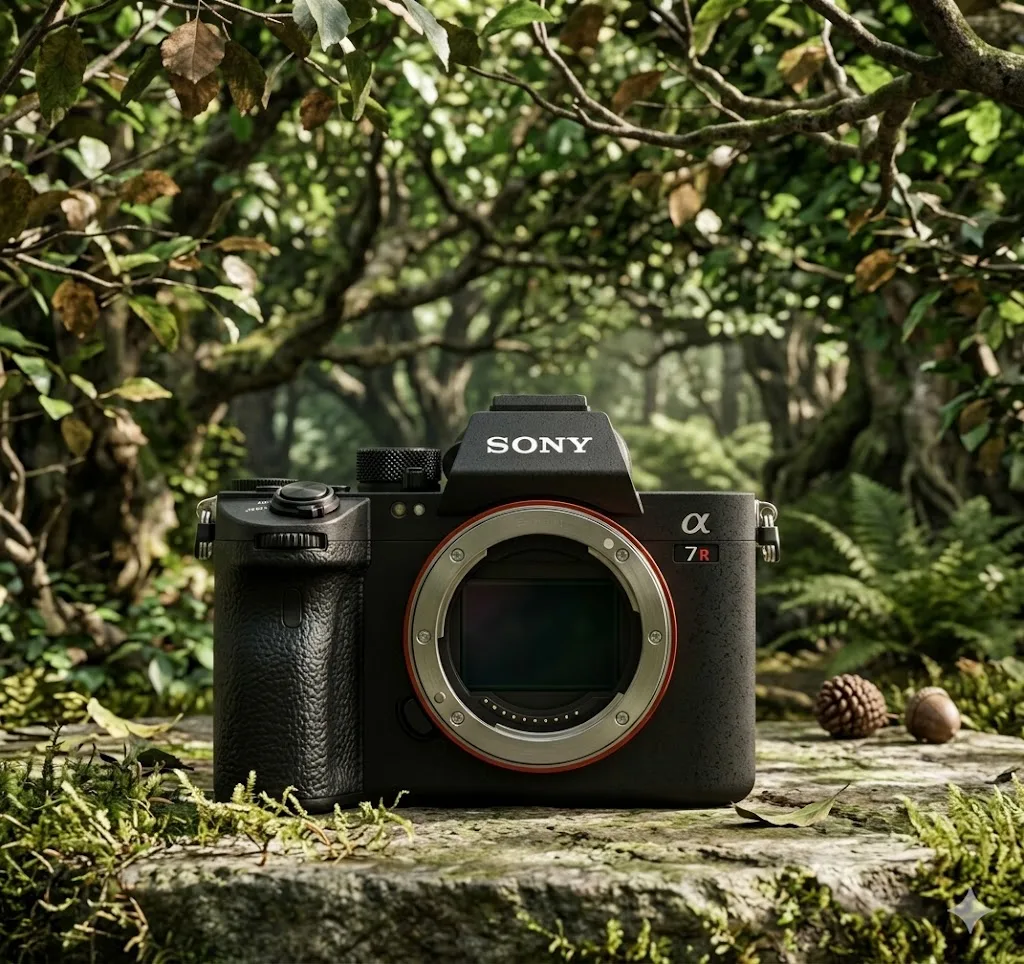
There are certain camera announcements that instantly capture the attention of bird and wildlife photographers around the world. The Sony Alpha a7R VI is clearly one of those cameras.
For years, Sony’s A7R series has been associated with extraordinary detail, massive resolution, and outstanding image quality. These cameras have traditionally appealed to landscape photographers, studio professionals, and commercial creators who demanded every possible pixel. Wildlife photographers appreciated the image quality too, but many often felt that the A7R line still leaned more toward resolution than speed.
That may have changed dramatically with the Sony Alpha a7R VI.
After reading the first technical reports, studying early impressions, comparing specifications, and following the reactions of photographers online, it is becoming increasingly clear that Sony is trying to redefine what a high-resolution camera can truly be. Instead of simply creating another megapixel monster, Sony appears to have built a camera that combines stunning detail with much faster performance, more intelligent autofocus, improved video capabilities, and wildlife-friendly shooting speeds.
For bird photographers especially, this combination is incredibly exciting.
One of the biggest challenges in bird photography has always been balancing reach, speed, and resolution. Smaller birds rarely fill the frame unless you are extremely close or using very large super-telephoto lenses. That is why high-resolution cameras are so valuable for birders. The ability to crop aggressively while still preserving fine feather detail can completely transform the shooting experience.
At the same time, bird photography also demands speed. Birds move unpredictably, fly rapidly, disappear into branches, and change direction within fractions of a second. A camera that delivers incredible detail but struggles with autofocus speed or rolling shutter limitations can quickly become frustrating in the field.
This is where the Sony Alpha a7R VI becomes fascinating.
Sony appears to have taken many of the lessons learned from the Alpha 1 series and blended them with the incredible image quality that made the A7R line famous. The result may be one of the most balanced hybrid wildlife cameras Sony has ever produced.
Naturally, the camera is not inexpensive. The Sony Alpha a7R VI enters the market as a premium professional tool designed for demanding photographers and creators. However, many wildlife enthusiasts are already wondering whether this camera could potentially replace multiple bodies at once.
Could it serve as both a high-resolution landscape camera and a serious bird photography machine, or could it become the perfect travel wildlife camera? Could it challenge even the Alpha 1 for many photographers?
And perhaps most importantly for birders: does the extra resolution genuinely matter in real-world wildlife photography?
In this detailed review and overview, we will explore everything bird and wildlife photographers should know about the Sony Alpha a7R VI, including image quality, autofocus, burst shooting, low-light performance, video features, wildlife applications, lens pairing ideas, possible limitations, upgrade considerations, and whether this may become one of the most exciting cameras for nature photographers in recent years.

First Impressions: Sony’s Vision for the a7R VI
The first impression many photographers had after seeing the Sony Alpha a7R VI specifications was simple: this camera looks far more powerful than expected.
Historically, Sony’s A7R cameras focused heavily on maximizing detail and dynamic range. They excelled in controlled situations where resolution mattered more than outright speed. Landscape photographers loved them. Commercial photographers relied on them. Fine art photographers appreciated their ability to capture immense detail.
Wildlife photographers often admired the files but sometimes preferred faster camera bodies for demanding action. The Sony Alpha a7R VI appears designed to change that perception. The introduction of a stacked sensor architecture immediately signals Sony’s intention to make this camera dramatically faster than previous A7R models. Stacked sensors allow much quicker data readout, reducing rolling shutter distortion and enabling significantly faster burst shooting.
For bird photography, this is enormously important.
One of the biggest frustrations with earlier high-resolution cameras was the difficulty of using electronic shutter modes effectively. Fast wingbeats, sudden movement, or panning shots could sometimes introduce distortion or skew. With the new stacked design, Sony aims to minimize those problems substantially. This instantly makes the a7R VI feel less like a traditional studio-oriented high-resolution body and more like a true all-around professional wildlife machine.
Another major first impression is just how aggressively Sony has improved autofocus technology across its camera lineup in recent years. Sony’s AI-assisted subject recognition systems have become incredibly advanced, especially for birds, animals, and fast-moving wildlife.
Bird photographers today expect cameras to recognize eyes, track subjects through branches, lock onto flying birds, and maintain focus even in chaotic scenes. Sony has clearly prioritized these capabilities. The a7R VI seems designed for photographers who no longer want to compromise between resolution and speed. And honestly, that may be one of the most exciting trends in modern camera development.
A few years ago, photographers often needed multiple specialized bodies:
- A fast sports camera
- A high-resolution landscape camera
- A video-focused hybrid body
- A travel-friendly camera
Now companies like Sony are increasingly trying to merge all these capabilities into a single system. The Sony Alpha a7R VI feels like one of the clearest examples of this evolution.
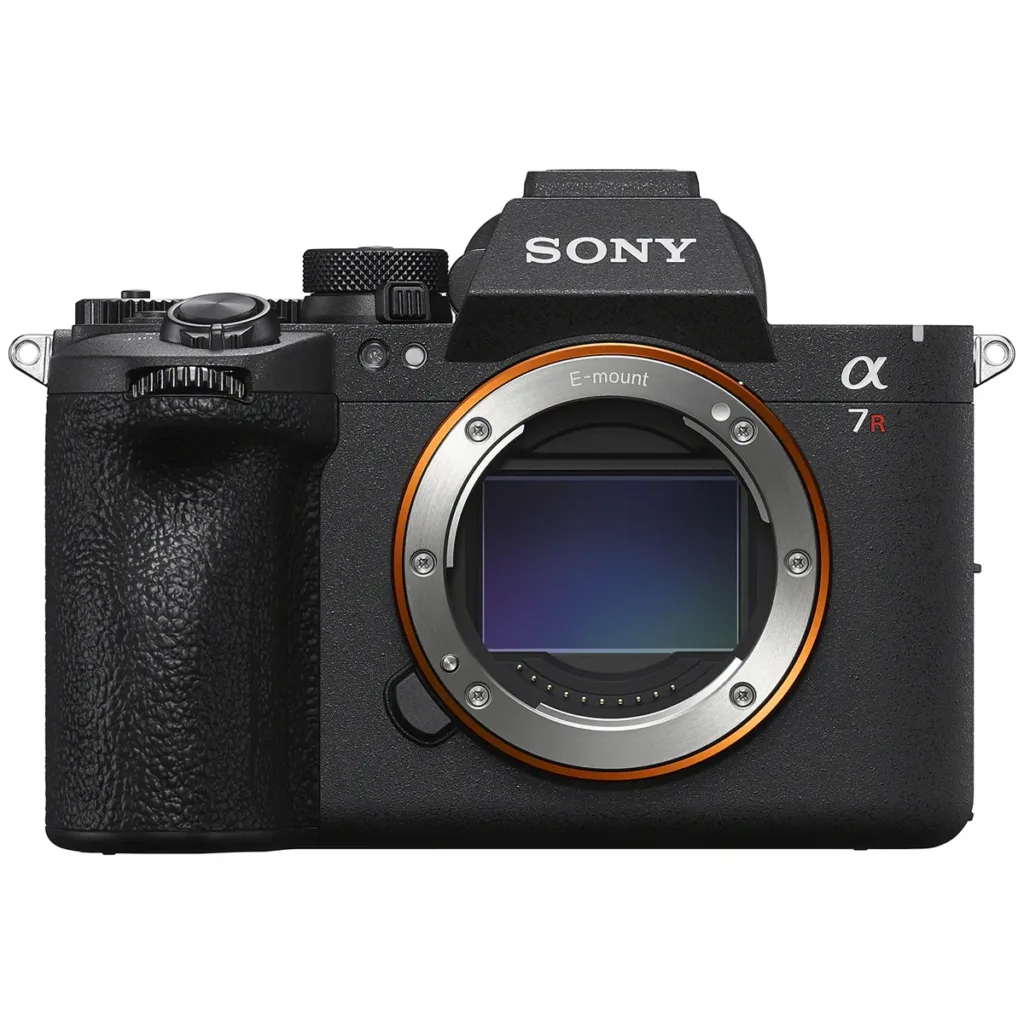
Resolution and Image Quality: Why 66.8 Megapixels Matter for Bird Photography
One of the defining features of the Sony Alpha a7R VI is its enormous 66.8-megapixel full-frame sensor. For some photographers, megapixel counts can seem like marketing numbers. Many people understandably ask whether anyone truly needs that much resolution. For bird photography, however, high resolution can provide very real advantages. Bird photographers frequently deal with distant subjects. Even with a 600mm lens, small songbirds may occupy only a small portion of the frame. Cropping becomes an essential part of the workflow. This is where high-resolution cameras become extremely valuable.
A 66.8-megapixel image allows photographers to crop heavily while still retaining impressive detail and usable image sizes. This can effectively extend the reach of your lens without sacrificing nearly as much quality. For example, a wildlife photographer using a 400mm or 500mm lens may be able to crop deeply into the frame and still produce images suitable for large prints, online publishing, or even commercial licensing. This flexibility is one of the primary reasons many bird photographers love high-resolution systems. Feather detail is another major benefit.
A sensor with this much resolution can reveal extraordinary levels of detail when paired with quality lenses.
Landscape photographers who also enjoy bird photography may especially appreciate the versatility. One camera can capture expansive mountain landscapes in the morning and detailed wildlife portraits later in the day.
Dynamic range is expected to remain excellent as well. Sony’s high-resolution sensors have consistently delivered superb dynamic range performance, allowing photographers to recover shadow detail and preserve highlights effectively. This is especially useful in wildlife situations where lighting conditions change rapidly.
Bird photographers frequently encounter challenging lighting:
- Bright skies behind birds
- Forest shadows
- Reflections from water
- Early morning golden light
- High-contrast environments
Strong dynamic range can make editing much easier. The Sony Alpha a7R VI should provide substantial flexibility during post-processing, especially for photographers who enjoy fine-tuning their images. Of course, there are practical considerations too. Files from a 66.8-megapixel sensor will be enormous.
Wildlife photographers often shoot thousands of frames during a single outing, especially when tracking birds in flight. Managing storage, backup systems, and editing workflows becomes increasingly important.
Photographers considering this camera should expect:
- Large RAW files
- Faster memory card requirements
- More demanding editing workflows
- Increased storage needs
- Powerful computer requirements for efficient editing
Still, many serious wildlife photographers will likely consider these tradeoffs worthwhile. Because when everything comes together — lighting, sharpness, eye contact, wing position, background separation — the level of detail possible from a sensor like this can be breathtaking.
Autofocus Performance: Potentially a Dream Camera for Bird Tracking
Autofocus performance can make or break a wildlife camera. Bird photography is one of the most demanding autofocus scenarios in all of photography. Birds move unpredictably, disappear behind branches, launch into flight suddenly, and often appear in difficult lighting conditions. Modern bird photographers expect cameras to perform at incredibly high levels.
Fortunately, autofocus is one area where Sony has invested heavily over the past several generations. The Sony Alpha a7R VI benefits from advanced AI-driven autofocus technology that appears designed specifically to handle wildlife subjects more effectively than ever before. Sony’s bird eye autofocus systems have already become extremely popular among wildlife photographers. Many photographers now rely heavily on subject recognition systems when photographing birds in flight, perched birds, mammals, or fast-moving wildlife.
The improvements expected in the a7R VI include:
- Faster subject detection
- Better eye recognition
- Improved tracking consistency
- Enhanced predictive autofocus
- Better performance in cluttered environments
- More reliable detection during flight sequences
For bird photographers, this could dramatically improve keeper rates. One of the most difficult aspects of bird photography is maintaining focus on small moving subjects against busy backgrounds. Forest environments, branches, reeds, or water reflections can easily confuse autofocus systems.
AI-assisted tracking systems help cameras maintain subject awareness even when temporary obstructions occur.
This is especially valuable when photographing:
- Small woodland birds
- Birds flying through trees
- Waterfowl in crowded environments
- Raptors in changing skies
- Fast swallows and martins
- Shorebirds in motion
Another exciting aspect is the expected improvement in electronic shutter usability. Wildlife photographers increasingly prefer silent shooting modes because mechanical shutters can disturb birds, especially at close distances. Silent shooting allows photographers to work more discreetly in sensitive wildlife situations. However, silent shooting is only truly useful if rolling shutter artifacts are controlled effectively. The stacked sensor design in the a7R VI should significantly reduce these issues compared to previous generations.
That means bird photographers may finally gain the ability to combine:
- Ultra-high resolution
- Fast burst shooting
- Silent operation
- Advanced autofocus
- Minimal distortion
in a single camera body.
This combination is genuinely exciting. Many early reactions online suggest that wildlife photographers are especially interested in how the a7R VI compares with the Sony Alpha 1 II. The Alpha 1 II remains Sony’s ultimate flagship for speed and sports performance. However, the a7R VI potentially narrows the gap substantially while offering even higher resolution.
Read the full review of the Sony Apha 1 II.
For some bird photographers, that may be enough to make the a7R VI the more attractive option.
Burst Shooting and Buffer Performance
Speed matters enormously in bird photography. Birds rarely wait for photographers.
A fraction of a second can mean the difference between capturing:
- perfect wing position
- sharp eye contact
- prey interaction
- takeoff moments
- landing sequences
- water splashes
- dramatic behavior
or missing the shot entirely.
One of the biggest surprises surrounding the Sony Alpha a7R VI is how fast it appears to be for such a high-resolution camera. Traditionally, extremely high megapixel cameras often sacrificed shooting speed because processing massive files requires substantial bandwidth and computing power. Sony appears to have pushed this boundary significantly.
The camera’s burst capabilities reportedly reach up to 30 frames per second under certain conditions, placing it far closer to flagship sports cameras than previous A7R models. For bird photographers, this opens up entirely new possibilities. Capturing wing motion sequences becomes much easier at higher frame rates. Birds in flight change posture incredibly quickly, especially smaller species. At lower burst rates, photographers often miss ideal wing positions or critical behavioral moments.
With faster continuous shooting:
- More frames increase selection flexibility
- Tracking becomes smoother
- Behavior sequences become easier to document
- Flight photography becomes more forgiving
- Action storytelling improves dramatically
The buffer system also becomes critical. A camera capable of shooting high-resolution images at rapid speeds must process and clear enormous amounts of data.
Wildlife photographers often hold the shutter down during action bursts, especially during:
- takeoffs
- hunting behavior
- bird fights
- aerial displays
- diving sequences
- mating rituals
A weak buffer can quickly interrupt shooting. Sony’s newer camera systems have improved substantially in this area, especially when paired with fast CFexpress cards. Photographers considering the a7R VI for wildlife work should absolutely plan on using high-speed memory cards to maximize performance.
The camera’s combination of:
- stacked sensor technology
- faster processing
- high-speed buffer handling
- modern autofocus tracking
may create one of the most capable bird photography platforms Sony has ever released outside the Alpha 1 line.
And for many photographers, the additional megapixels could actually make the camera even more useful than the Alpha 1 in certain wildlife situations.
Low-Light Performance and ISO Expectations
Whenever a camera pushes megapixel counts higher, photographers naturally become concerned about low-light performance. This is especially important for wildlife photographers.
Bird photography often happens during the most beautiful — but also darkest — times of the day:
- sunrise
- sunset
- cloudy forests
- shaded wetlands
- winter mornings
- stormy conditions
Birds also tend to be most active during early morning hours when light levels remain challenging. The question many photographers are asking is whether a 66.8-megapixel sensor can still perform well at higher ISO settings. Based on Sony’s sensor technology advancements, the outlook appears promising. Modern high-resolution sensors often perform much better than older megapixel-heavy cameras. Noise reduction algorithms, improved sensor design, better readout systems, and advanced processing engines all contribute to stronger low-light results. Sony’s stacked sensor architecture may help preserve better readout efficiency while maintaining strong image quality.
Of course, physics still matters. Larger individual pixels generally gather more light. Cameras with lower megapixel counts often maintain an advantage in extreme low-light situations. However, there is another side to the discussion. High-resolution files allow photographers to downsample images during editing. When reduced to smaller output sizes, noise can appear significantly cleaner.
In practice, many photographers find that modern high-resolution cameras deliver surprisingly strong ISO performance after proper processing. For bird photography specifically, the extra detail may outweigh slight increases in noise. A sharp, detailed image with moderate noise is often preferable to a lower-resolution image with less cropping flexibility.
Another major advantage is stabilization. The a7R VI reportedly includes up to 8.5 stops of in-body image stabilization.
This can help photographers:
- stabilize handheld wildlife shooting
- work with slower shutter speeds for static subjects
- improve travel photography versatility
- reduce motion blur during low-light shooting
While stabilization cannot freeze bird motion itself, it still improves usability in many situations. Wildlife photographers who also enjoy landscapes, environmental wildlife scenes, or forest photography will likely appreciate the stabilization improvements greatly.
Overall, the Sony Alpha a7R VI appears positioned to deliver a very strong balance between resolution and low-light usability.
Video Features: A True Hybrid Camera for Modern Creators
The modern wildlife creator often does far more than simply capture still photographs.
Many bird photographers now create:
- YouTube videos
- wildlife documentaries
- social media reels
- educational content
- travel vlogs
- conservation films
- slow-motion wildlife clips
As a result, hybrid cameras have become increasingly important.
The Sony Alpha a7R VI appears designed with this hybrid reality in mind.
Sony has steadily improved its video capabilities across nearly all recent Alpha models, and the a7R VI continues that trend aggressively.
The camera reportedly supports:
- 8K video recording
- 4K 120p slow motion
- 10-bit internal recording
- advanced color profiles
- improved heat management
- professional video codecs
For wildlife creators, this flexibility is incredibly valuable.
A single camera can potentially handle:
- high-resolution bird photography
- cinematic wildlife footage
- travel content
- interviews
- documentary-style filmmaking
without needing separate systems.
The 8K capability is particularly interesting. Even photographers who do not currently deliver 8K content may appreciate the flexibility it offers.
High-resolution video allows creators to:
- crop into footage
- stabilize digitally
- reframe compositions
- extract still frames
- create multiple output formats
This is especially useful for wildlife subjects that are difficult to approach closely. Bird videography can be incredibly challenging because subjects move unpredictably and often remain distant. The additional resolution provides more creative flexibility during editing. Autofocus improvements should also benefit wildlife videographers significantly. Reliable bird eye tracking during video recording can make solo wildlife filmmaking dramatically easier.
Instead of constantly fighting manual focus adjustments, creators can concentrate more on composition and storytelling. Sony’s color science has also improved noticeably in recent years. Older Sony cameras occasionally received criticism for skin tones or color rendering, but newer generations have become far more refined. For nature creators, accurate greens, blues, feather tones, and environmental colors are extremely important.
The a7R VI should provide rich flexibility for grading and post-production. Battery life and heat management remain important considerations for serious video creators. Recording high-resolution formats generates substantial heat, especially in compact mirrorless bodies. Early real-world testing will reveal more about sustained recording performance. Still, Sony clearly intends the a7R VI to compete as a professional hybrid camera rather than merely a photography body with basic video features. That makes it especially appealing for modern wildlife storytellers.
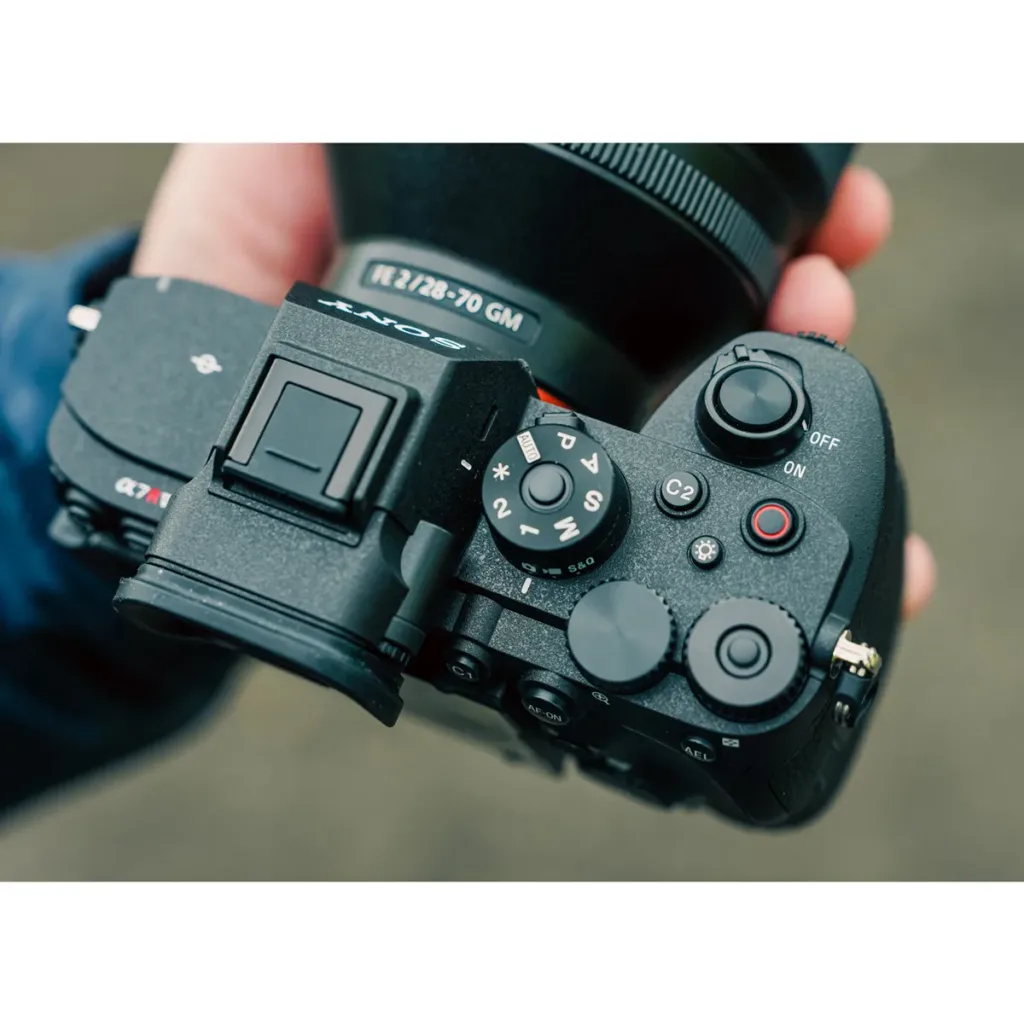
Ergonomics, Build Quality, and Field Use
Bird photographers often spend long hours outdoors. A wildlife camera must feel comfortable and dependable during extended use in challenging environments.
Weather conditions can change quickly. Wildlife photographers frequently encounter:
- rain
- mud
- humidity
- dust
- snow
- cold temperatures
- long hiking days
The Sony Alpha a7R VI appears to continue Sony’s recent improvements in ergonomics and professional usability. Sony cameras from earlier generations sometimes received criticism for smaller grips, less intuitive menus, and compact layouts that felt cramped with large telephoto lenses. Fortunately, Sony has improved significantly in these areas over the past few years.
The newer Alpha bodies generally feature:
- deeper grips
- improved button layouts
- customizable controls
- stronger weather sealing
- refined menu systems
- better touchscreen functionality
For bird photographers using heavy lenses like:
- Sony FE 200-600mm
- Sony 100-400mm GM
- 400mm primes
- 600mm super-telephotos
comfortable handling becomes extremely important.
Long handheld sessions can quickly become tiring if a camera body feels unbalanced.
The electronic viewfinder also deserves attention. The reported 9.44-million-dot EVF should provide a highly immersive viewing experience.
For bird photography, a high-quality EVF helps photographers:
- track moving subjects more easily
- evaluate exposure accurately
- observe fine feather detail
- maintain focus precision
- work effectively in bright sunlight
Modern EVFs have improved tremendously compared to earlier mirrorless generations.
Many wildlife photographers who once preferred optical viewfinders now fully embrace electronic systems because of advantages like:
- real-time exposure preview
- focus peaking
- subject tracking overlays
- instant playback
- silent shooting compatibility
Battery life always remains a consideration for mirrorless systems. Wildlife photographers often spend entire days in the field far from charging opportunities. Fortunately, Sony’s newer NP-FZ100 batteries have proven quite reliable compared to earlier mirrorless battery systems. Still, serious wildlife photographers will likely carry multiple spare batteries during long outings.
Overall, the Sony Alpha a7R VI appears designed for professional outdoor use while maintaining the portability advantages mirrorless systems are known for.
Why Bird Photographers May Love This Camera
Bird photographers are already among the most enthusiastic groups discussing the Sony Alpha a7R VI.
And honestly, it is easy to understand why.
This camera potentially solves several challenges that bird photographers constantly face.
Incredible Cropping Flexibility
One of the greatest advantages of a 66.8-megapixel sensor is the ability to crop deeply while preserving excellent detail. Birds are often distant. Even experienced bird photographers rarely get as close as they would ideally like. The extra resolution effectively gives photographers more flexibility after the shot. A strong crop from a 66.8MP file may still outperform a less cropped image from a lower-resolution body.
This becomes especially valuable for:
- small songbirds
- shy woodland species
- distant shorebirds
- birds in inaccessible locations
- travel wildlife photography
Better Flight Photography Potential
Previous A7R models were sometimes viewed as slower wildlife tools. The stacked sensor and improved autofocus of the a7R VI change that equation dramatically.
Bird-in-flight photography demands:
- fast autofocus
- responsive tracking
- high burst rates
- minimal viewfinder lag
- reduced rolling shutter
The new architecture appears designed specifically to improve these areas.
Silent Shooting Advantages
Birds can be surprisingly sensitive to sound. Mechanical shutter noise may disturb certain species, especially at close distances. Silent electronic shooting allows photographers to work more naturally without disrupting behavior.
This is especially useful for:
- nesting birds
- shy forest species
- waterfowl
- close-range hides
- conservation photography
One Camera for Multiple Genres
Many bird photographers also enjoy:
- landscapes
- macro photography
- travel photography
- wildlife video
- nature documentaries
The a7R VI potentially handles all of these areas exceptionally well.
That versatility makes it especially appealing for traveling nature photographers who prefer carrying fewer bodies.
Excellent Lens Ecosystem
Sony’s E-mount ecosystem has matured tremendously.
Wildlife photographers now have access to outstanding lenses including:
- Sony FE 200-600mm
- Sony 100-400mm GM
- Sony 400mm f/2.8 GM
- Sony 600mm f/4 GM
- Sony 300mm f/2.8 GM
- Sigma telephoto options
- Tamron wildlife zooms
The combination of advanced autofocus and excellent lens choices strengthens the overall system considerably.
For many bird photographers, the Sony Alpha a7R VI may represent one of the most balanced wildlife tools Sony has ever created.
Comparing the Sony Alpha a7R VI to the Alpha 1
One of the most fascinating discussions surrounding the Sony Alpha a7R VI is how it compares to Sony’s flagship Alpha 1 series.
The Alpha 1 has long represented Sony’s ultimate professional wildlife and sports camera. It combines:
- high speed
- excellent autofocus
- strong video features
- stacked sensor performance
- professional durability
The a7R VI does not fully replace the Alpha 1.
However, it appears to narrow the gap more than many expected.
For bird photographers, this creates an interesting decision.
Resolution Advantage
The a7R VI offers even higher resolution than the Alpha 1.
For photographers who prioritize cropping flexibility and detail, this can be extremely attractive.
Bird photographers often value every extra pixel.
Speed Differences
The Alpha 1 still likely maintains advantages in:
- sensor readout speed
- blackout performance
- extreme sports shooting
- professional action responsiveness
However, the a7R VI seems significantly faster than previous A7R models.
For many wildlife photographers, it may provide more than enough speed.
Price Considerations
The Alpha 1 series remains extremely expensive.
If the a7R VI delivers much of the same wildlife usability while providing higher resolution at a lower price point, many photographers may consider it the better overall value.
Real-World Wildlife Use
In practical wildlife photography, the differences may matter less than expected.
Many bird photographers prioritize:
- autofocus reliability
- crop flexibility
- image quality
- portability
- overall versatility
The a7R VI appears exceptionally strong in all these categories.
For some photographers, it may become the more logical choice.
Best Lenses to Pair with the Sony Alpha a7R VI for Bird Photography
A high-resolution camera deserves excellent lenses. The Sony Alpha a7R VI will reveal optical weaknesses quickly because of its enormous resolution. Fortunately, Sony’s E-mount system now includes some of the best wildlife lenses currently available.
Sony FE 200-600mm f/5.6-6.3 G OSS
This Sony FE 200-600mm lens remains one of the most popular bird photography lenses in the Sony ecosystem.
Bird photographers love it because it offers:
- excellent reach
- strong sharpness
- internal zoom design
- reliable autofocus
- relatively affordable pricing compared to super-telephoto primes
On the a7R VI, the additional resolution could make this lens even more impressive.
The ability to crop heavily while maintaining detail may create enormous flexibility.
Sony FE 100-400mm f/4.5 GM OSS
When paired with the Sony FE 100-400mm f/4.5 GM OSS lens unlocks an unparalleled ecosystem of high-resolution speed and precision. The lens’s constant $f/4.5$ aperture feeds maximum light into the camera’s groundbreaking 66.8-megapixel fully-stacked Exmor RS sensor, ensuring that even the tightest crops of distant wildlife retain razor-sharp, medium-format-like detail without sacrificing shutter speed.
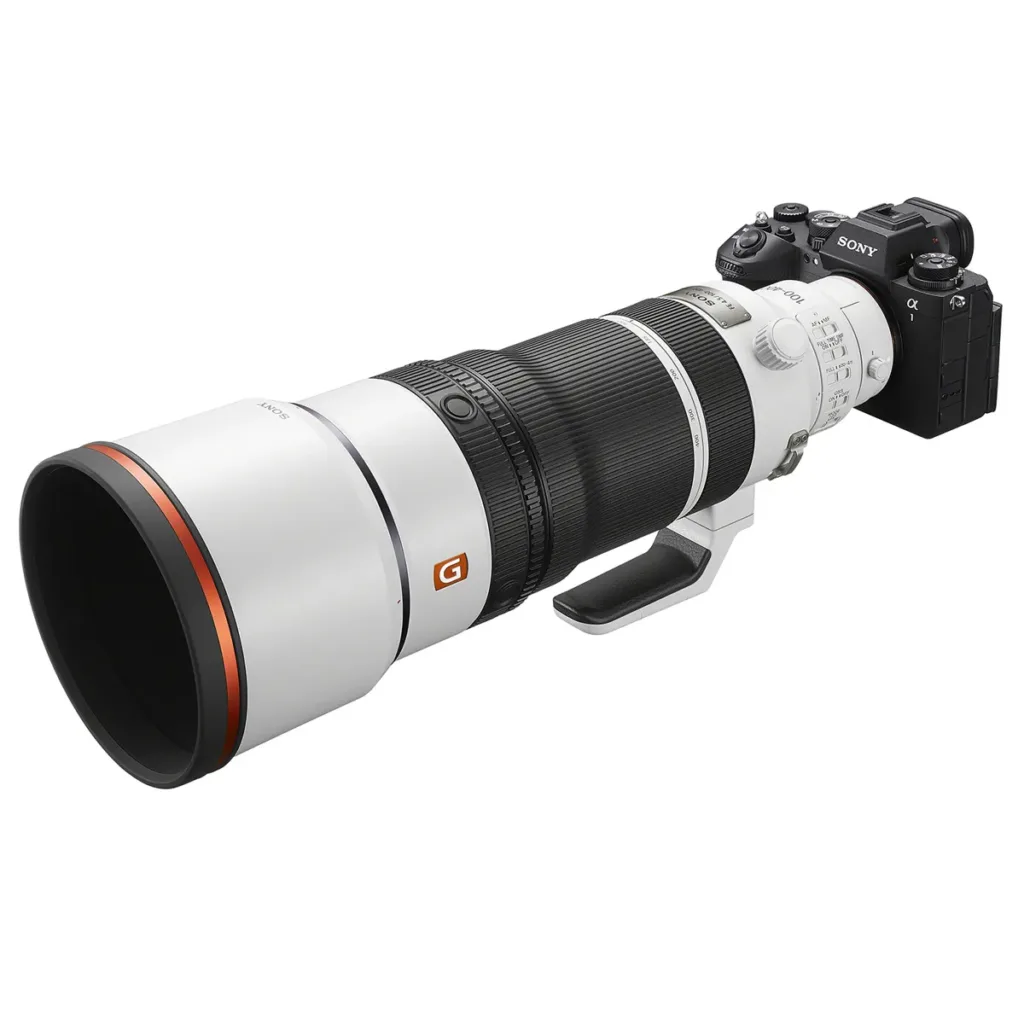
Driven by the camera’s advanced BIONZ XR2 processor and a dedicated AI processing unit, the lens’s quad XD Linear motors effortlessly lock onto and track complex subjects—from erratic bird flight paths to fast-moving athletes—with absolute certainty. Furthermore, the internal zoom design beautifully balances the kit, preventing front-heaviness and allowing the camera’s enhanced 8.5-stop in-body image stabilization (IBIS) to work in perfect, fluid harmony with the lens’s optical stabilization (OSS). Together, this professional combination delivers a seamless, blackout-free shooting experience that sets a new gold standard for demanding field photographers.
It works beautifully for:
- birds in larger environments
- travel wildlife photography
- mammals
- landscape wildlife combinations
- hiking situations
Paired with the a7R VI, photographers could crop significantly while maintaining outstanding image quality.
Read the full review of the new Sony FE 100-400mm f/4.5 GM OSS lens
Sony 300mm f/2.8 GM
This newer lens has quickly become extremely popular among wildlife photographers.
Its combination of:
- portability
- sharpness
- fast aperture
- autofocus speed
makes it especially appealing.
The high-resolution sensor of the a7R VI may allow photographers to use the 300mm more flexibly than expected.
Sony 400mm f/2.8 GM and 600mm f/4 GM
For serious professional wildlife photographers, these remain dream lenses.
Combined with the a7R VI, the level of detail could be extraordinary.
However, these lenses are extremely expensive and primarily target dedicated professionals.
Third-Party Lens Options
Tamron and Sigma now offer increasingly strong alternatives for Sony wildlife shooters.
This expands flexibility for photographers with different budgets.
One of Sony’s greatest strengths today is the maturity of its lens ecosystem.
That ecosystem makes cameras like the a7R VI far more appealing because photographers can build systems that match their specific wildlife needs.
Potential Drawbacks and Concerns
No camera is perfect.
While the Sony Alpha a7R VI looks incredibly impressive on paper, there are still some realistic concerns photographers should consider.
Massive File Sizes
66.8-megapixel files will be enormous.
Bird photographers often shoot thousands of images during a single session.
Storage requirements could become substantial very quickly.
Photographers may need:
- faster SSDs
- larger backup systems
- high-capacity memory cards
- powerful editing computers
Editing workflows could also become slower.
Price
The a7R VI is positioned as a premium professional camera.
For many hobbyist bird photographers, the cost may simply be too high.
Once lenses, memory cards, and accessories are added, the total investment becomes significant.
Lens Demands
High-resolution sensors reveal optical flaws easily.
Older or lower-quality lenses may struggle to fully exploit the sensor’s potential.
Photographers may feel pressure to upgrade lenses as well.
Real-World Heat Performance
8K video and high-speed shooting generate substantial heat.
Real-world long-term testing will reveal how well the camera manages demanding recording conditions.
Rolling Shutter Questions
Although the stacked sensor should improve rolling shutter performance substantially, it may still not fully match the Alpha 1.
Fast action photographers will want detailed testing before making conclusions.
Still, most of these concerns are understandable tradeoffs for a camera with such ambitious specifications.
Is the Sony Alpha a7R VI Worth Upgrading To?
This is probably the biggest question many photographers are asking.
The answer depends heavily on shooting style and priorities.
If You Already Own an A7R V
The upgrade may become worthwhile if:
- you photograph birds frequently
- you need faster burst performance
- you want improved rolling shutter handling
- you rely heavily on electronic shutter shooting
- you want stronger autofocus tracking
For wildlife photographers specifically, the stacked sensor may represent a major real-world improvement.
If You Own an Alpha 1
The decision becomes more complicated.
The Alpha 1 still remains one of the best professional wildlife cameras ever created.
However, photographers who prioritize:
- resolution
- cropping flexibility
- fine detail
may find the a7R VI extremely tempting.
If You Use Older DSLR Systems
The jump could feel revolutionary.
Modern Sony autofocus systems, silent shooting, subject tracking, and resolution capabilities can dramatically change the wildlife photography experience.
If You Mainly Photograph Landscapes and Wildlife Together
The a7R VI may be nearly ideal.
Few cameras appear capable of balancing:
- ultra-high resolution
- strong wildlife autofocus
- advanced video
- professional versatility
as effectively.
Final Thoughts: Could This Become One of the Best Wildlife Hybrid Cameras Ever?
The Sony Alpha a7R VI feels like an extremely important camera.
Not simply because of its megapixel count, but because of what it represents.
For years, photographers often needed to choose between:
- resolution or speed
- wildlife performance or landscape quality
- video capability or photography excellence
The a7R VI suggests those categories are beginning to merge.
Sony appears determined to create a camera that satisfies multiple creative disciplines simultaneously.
And for bird photographers, that is genuinely exciting.
The combination of:
- 66.8 megapixels
- stacked sensor technology
- advanced bird autofocus
- silent shooting
- fast burst performance
- professional video capabilities
- strong stabilization
creates a camera that may become extraordinarily versatile.
Of course, real-world testing will ultimately determine how successful the camera truly is.
Bird photographers will especially want to evaluate:
- autofocus consistency
- rolling shutter behavior
- buffer performance
- battery life
- real-world wildlife tracking
Still, the early signs are extremely promising. For many wildlife photographers, the Sony Alpha a7R VI may represent the dream balance between detail and speed. It may not fully replace dedicated sports flagships for every professional action shooter. But for bird photographers, wildlife enthusiasts, travel nature creators, and hybrid content creators, the a7R VI looks like one of the most exciting camera releases Sony has produced in years.
And honestly, after following the first reactions and studying the specifications closely, it genuinely feels like Sony may have created a camera that bird photographers have been waiting for.
The idea of having:
- Alpha 1-inspired speed
- A7R-level detail
- AI-powered wildlife autofocus
- modern hybrid video features
inside a single camera body is incredibly compelling.
For wildlife photographers who love detail, flexibility, and modern technology, the Sony Alpha a7R VI may become one of the most desirable mirrorless cameras currently available.
Note: As an affiliate website, GoToBirding may earn a commission from qualifying purchases made through links in this article. This helps support my work while allowing me to continue creating birding and wildlife photography content for my readers.

Lorand Vigh is a nature conservation professional and lifelong birder based in Serbia (Vojvodina). With over 30 years of field experience in birdwatching, habitat protection, and conservation management, he has worked on bird monitoring projects, habitat restoration initiatives, and cross-border conservation cooperation. GoToBirding is a personal project built on real field experience, sharing practical, science-based advice for birders and wildlife photographers.