
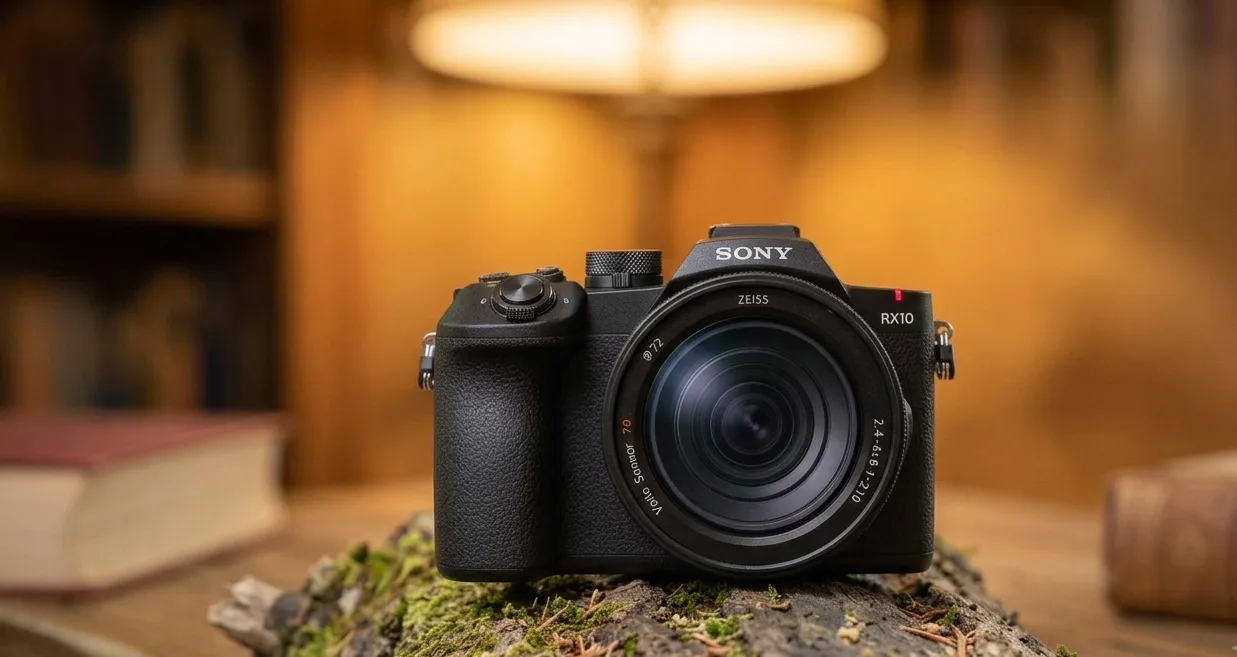
Hold onto your binoculars, because something just happened that almost nobody in the photography world expected anymore. For how many years have we been hearing that “bridge cameras are dead,” “smartphones will replace everything,” or that “if you’re a serious birder, you need a flagship body, a 600mm prime, and a gym membership”? Well, it looks like Sony decided to flip the table on the skeptics and dropped the brand-new RX10 Mark V.
When I first saw the announcement, my knee-jerk reaction was exactly like yours: Okay, but who is this for? At $2,300? But then I started digging deep into the specs, and it hit me—this camera was built from the ground up with us, the birding community, in mind.
But can a fixed-lens, all-in-one setup really replace a heavy backpack full of glass? Let’s talk about the raw truth of how this thing performs out in the field, with zero marketing fluff.
Disclosure: This post contains affiliate links to Adorama. If you click through and make a purchase, Gotobirding may earn a small commission at no extra cost to you. This helps support our field-tests and keeping the site running. Thank you for your support!
The Trump Card: That 24-600mm Zeiss Monster
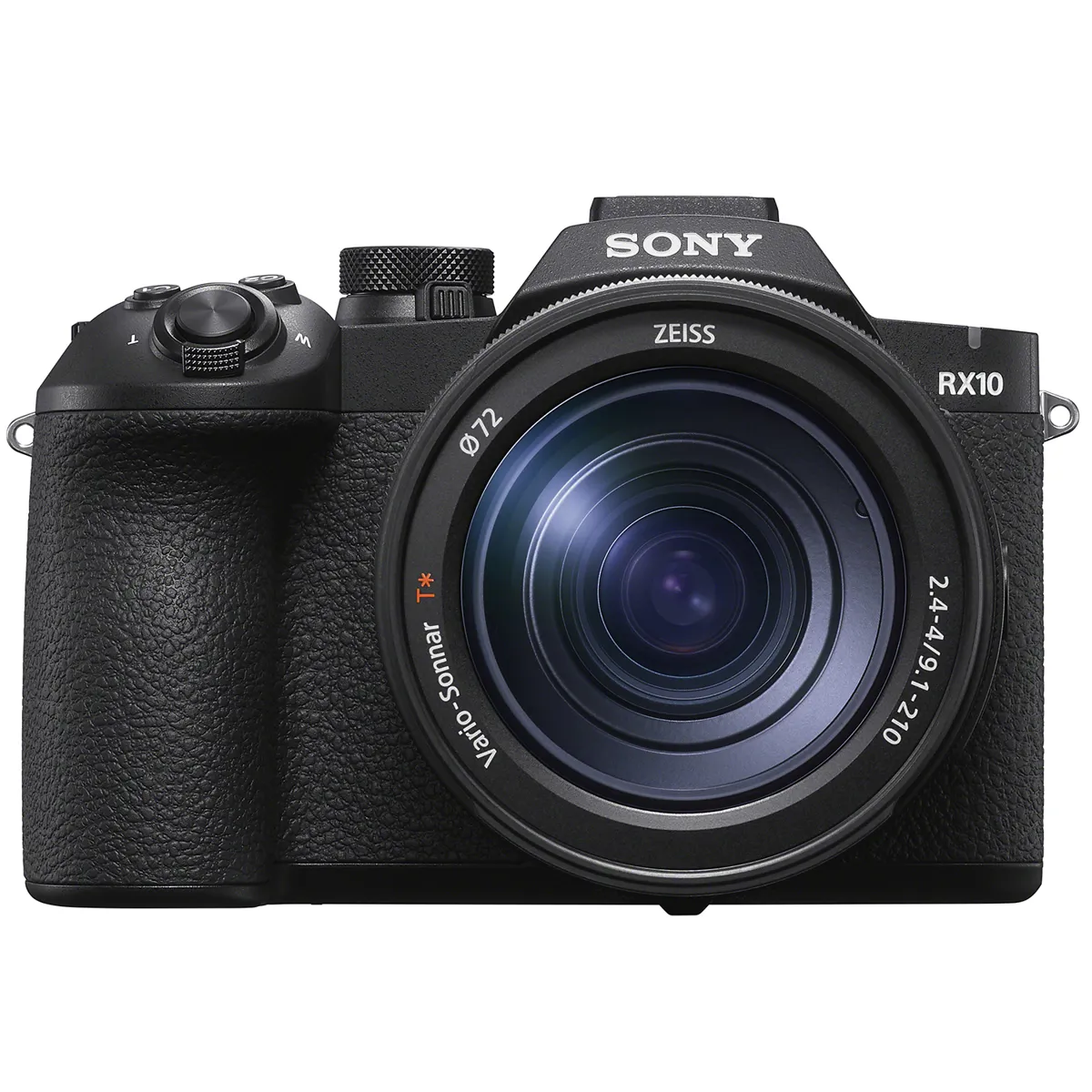
The physics of the lens haven’t changed compared to the previous model, but let’s be completely honest: they didn’t need to. The 24-600mm (equivalent) f/2.4-4.0 lens is still an optical marvel.
Think back to your last field trip. You’re walking along the edge of a reed bed, a heavy full-frame setup with a 150-600mm lens digging into your shoulder. Suddenly, you spot a Nightjar on the ground just three meters away. You raise your camera, but you can’t lock focus because your massive lens has a minimum focusing distance of 1.5-2 meters. By the time you take two steps back, the bird is gone.
Or vice versa: you suddenly want to capture the breathtaking sunset over the wetlands, but by the time you unmount your telephoto and twist on a wide-angle lens, the golden hour has passed.
With the RX10 V, that frustration is gone. From a wide landscape to a tight, high-reach shot of a distant raptor, it’s all done with a single twist of the zoom ring. Plus, that f/4 aperture at 600mm is remarkably bright for a system this compact.
The Evolution: How We Got Here (Models & Timeline)
To truly appreciate what the RX10 V brings to the table, we have to look back at the history of this lineup. Sony essentially created the “premium bridge camera” category, and for years, this series has been a slow-burning revolution for wildlife photographers.
Here is how the RX10 family evolved over the years:
2013 – The Pioneer: Sony Cyber-shot RX10 (Mark I)
- The Breakthrough: Sony shocked the industry by putting a massive (for its time) 1-inch sensor into a bridge camera with a constant f/2.8 lens.
- The Catch for Birders: The lens was only 24-200mm. It was an incredible travel camera, but 200mm is barely enough to shoot a confident robin in your backyard, let alone a shy heron across a lake.
2015 – Speeding Up: Sony RX10 II
- The Breakthrough: Introduction of the first stacked (stacked) CMOS sensor. This dramatically increased data readout speeds and brought high-frame-rate slow-motion video to the palm of your hand.
- The Catch for Birders: It still carried the same 24-200mm lens. Great for video, still too short for serious birding.
2016 – The Game Changer: Sony RX10 III
- The Breakthrough: Sony finally listened to wildlife photographers and dropped the 24-600mm f/2.4-4.0 Zeiss lens. This single move redefined what a bridge camera could do, giving birders the massive reach they desperately needed without the bulk.
- The Catch for Birders: The autofocus system was contrast-detection only. It was slow. If a bird moved quickly or flew across the sky, the camera struggled to keep up.
2017 – The Longtime King: Sony RX10 IV
- The Breakthrough: Sony fixed the autofocus by adding 315 phase-detection AF points and allowing 24 fps continuous shooting. It quickly became the ultimate “all-in-one” darling for birders who wanted to travel light.
- The Catch for Birders: Technology moved on. For nearly nine years, this model remained unchanged. While mirrorless cameras developed AI subject tracking, animal-eye AF, and 10-bit video, the RX10 IV started to look like a relic from a bygone era.
2026 – The Resurrection: Sony RX10 V
- The Breakthrough: After a massive hiatus, Sony finally brought the series into the modern age. Keeping the legendary 24-600mm lens, they completely overhauled the brain of the camera. With a dedicated AI processing chip for real-time bird-eye tracking, 30 fps blackout-free shooting, and uncropped 4K 60p video, it bridges the gap between casual convenience and flagship professional performance.
Lineup Comparison at a Glance
| Model | Release Year | Focal Length | Max Burst Speed | Autofocus Type |
|---|---|---|---|---|
| RX10 I | 2013 | 24-200mm | 10 fps | Contrast Detection |
| RX10 II | 2015 | 24-200mm | 14 fps | Contrast Detection |
| RX10 III | 2016 | 24-600mm | 14 fps | Contrast Detection |
| RX10 IV | 2017 | 24-600mm | 24 fps | Phase Detection (315 points) |
| RX10 V | 2026 | 24-600mm | 30 fps | AI-Powered Phase Detection |
As you can see, the Mark V isn’t just a minor spec bump. It’s the correction of a decade-long evolution, finally giving us the autofocus tracking system that this incredible 600mm lens always deserved.
The AI Autofocus You’ll Pray For
The biggest achilles’ heel of the older RX10 models—and bridge cameras in general—was always autofocus speed. Reach doesn’t matter if your camera is hunting for focus while a Kingfisher dives, catches a fish, and flies away before your lens can snap to it.
This is where the RX10 V absolutely decimates the competition. It has been upgraded with Sony’s latest dedicated AI autofocus processor. What does that actually mean for us out in the wild?
- Real-time Bird-Eye AF: It doesn’t lock onto the twigs, it doesn’t lock onto the body feathers—it glues itself to the bird’s eye, even when they are twitching inside thick, messy brush.
- Birds-in-Flight (BIF): Shooting at 30 frames per second with a completely blackout-free electronic viewfinder means you can track every millimeter of a Great Egret taking off. It honestly feels like cheating.
The Size (and Sensor) Compromise
Let’s be real, because we don’t sugarcoat things here at Gotobirding: a 1-inch sensor is not a Full-Frame sensor. It’s basic physics. If you’re shooting in a dense forest during twilight at ISO 6400, your images are going to show noise. It will not match the dynamic range or low-light performance of a Sony A7R V paired with a $13,000 prime lens.
But context is everything. You have to weigh your options. Do you want to haul 12 pounds of gear that ruins your lower back during a 10-mile hike, or can you accept using a little bit of AI-powered denoise software in post-production for those rare, ultra-low-light shots? For the vast majority of us who want to document, enjoy, and share our sightings, this sensor size is more than enough.
The Good, The Bad, and The Omissions
What we love:
- Finally, a proper battery: Switching to the NP-FZ100 battery was a stroke of genius. Getting over 600 shots on a single charge means you no longer have to carry four spare batteries in your pockets.
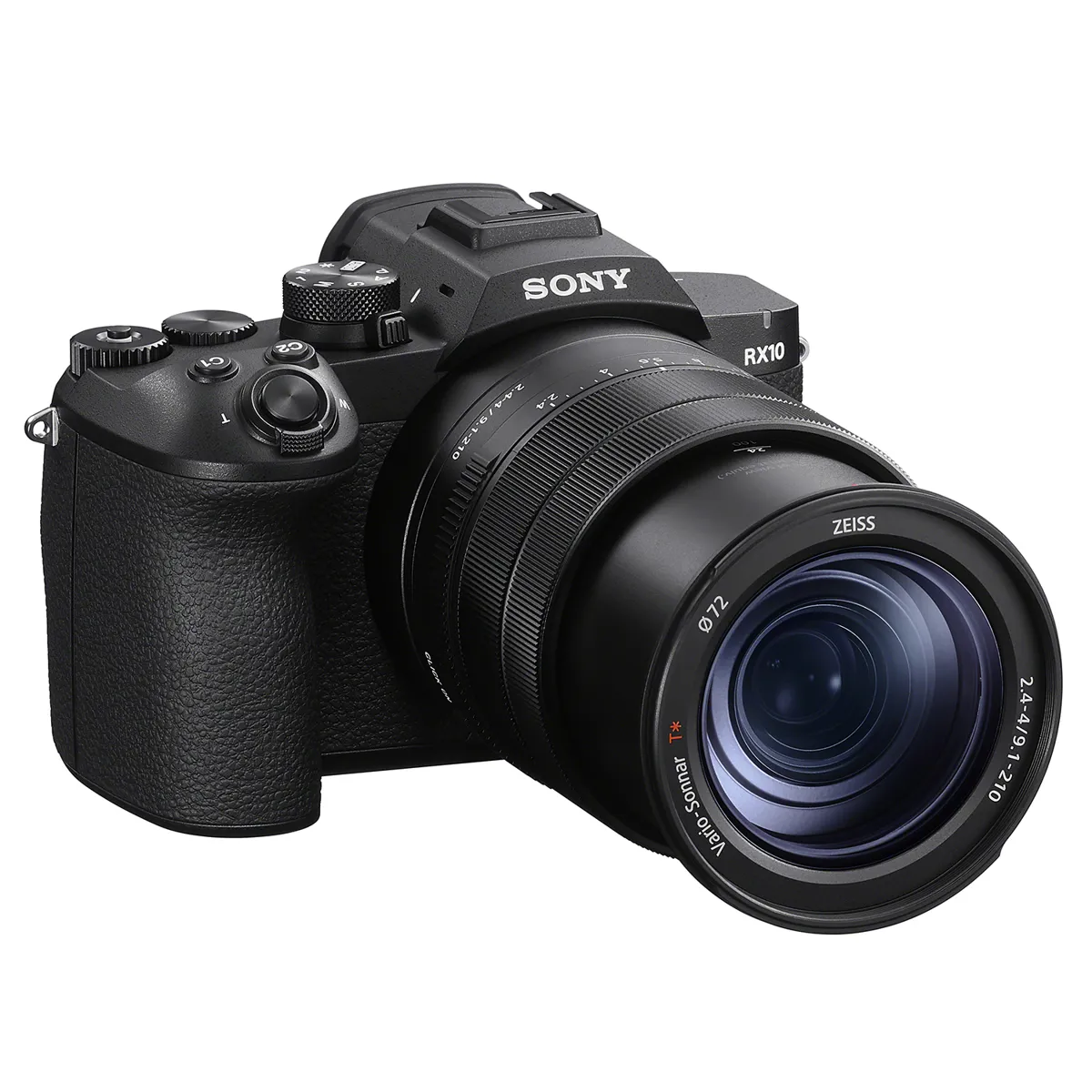
- The Ergonomics: Adding a dedicated AF-On button and a multi-selector joystick changes the game. It feels exactly like holding a professional Alpha mirrorless body.
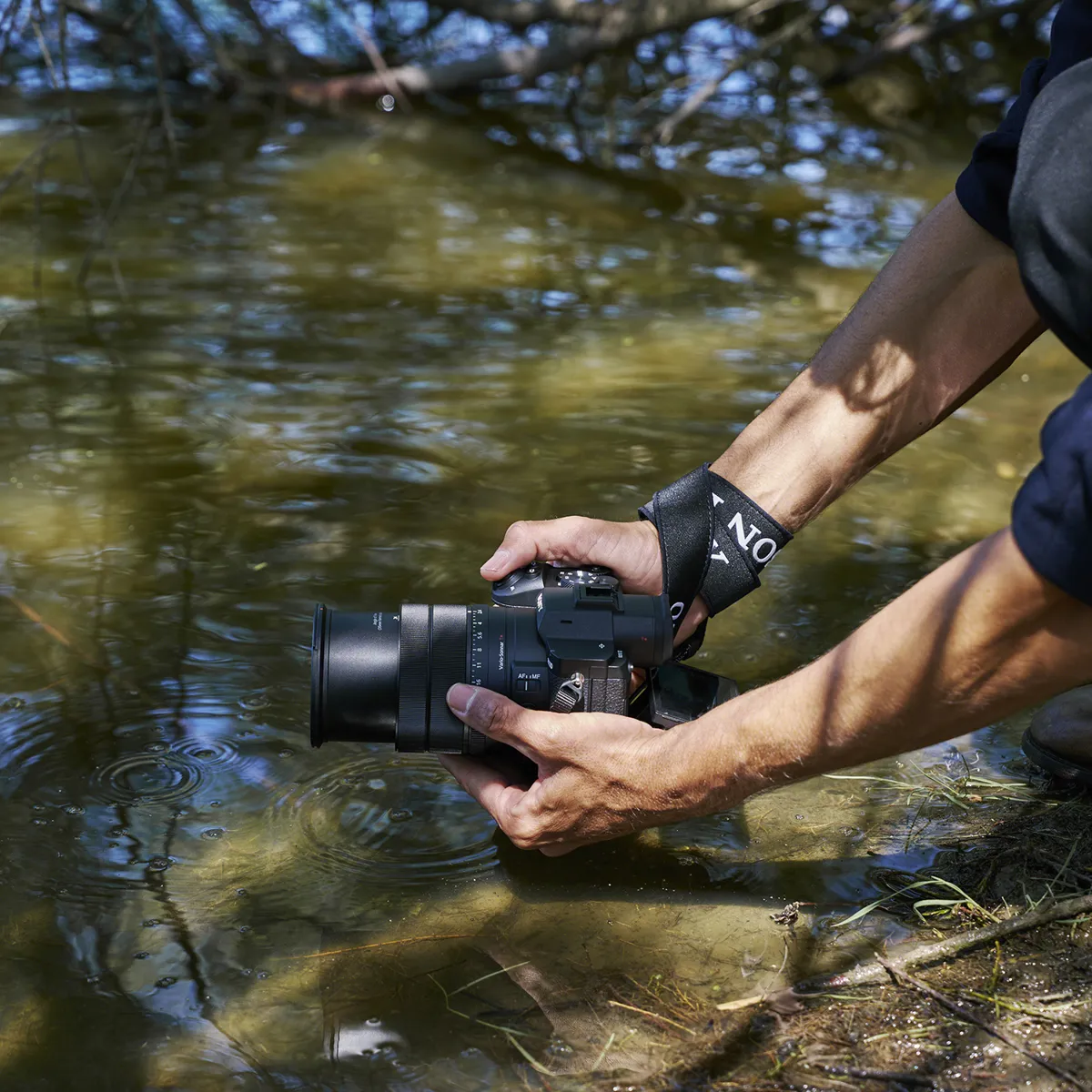
- Weather Sealing: If an unexpected downpour hits you while you’re in the hide, you don’t have to panickingly shove the camera into a plastic bag.
What frustrates us:
- R.I.P. Top LCD and Pop-up Flash: To make room for the new button layout, Sony sacrificed the secondary top status screen. While we won’t miss the flash (please don’t flash birds in the face!), losing that top LCD hurts a bit.
- Single Card Slot: It’s 2026, and on a $2,300 camera, a single UHS-II slot is a tough pill to swallow. If your SD card corrupts after an intense day of tracking a rare vagrant, it’s going to break your heart.
- The Price Tag: $2,300 is a serious investment. It pushes this camera well out of the casual “point-and-shoot” category.
The Verdict: Is It Worth It?
If you are just getting started on a tight budget, or if you already own a lightweight, perfectly optimized mirrorless crop-sensor kit with a lens you love, this might not be for you.
However, if you travel frequently, if you are sick and tired of the physical toll of heavy gear, if you hate swapping lenses in dusty or muddy environments, or if you want an “all-in-one” powerhouse that can effortlessly pivot from a family vacation to tracking a rare lifer at 600mm—all while shooting incredible 4K 60p/120p video—the Sony RX10 V stands entirely alone at the top of its class.
Sony just proved that the bridge camera category isn’t dead; it just needed flagship-level DNA.
What do you guys think? Is the freedom of zero lens changes worth the price tag, or are you staying with the heavy artillery? Let me know in the comments below!
Happy birding and clear skies, everyone!
Sony Cyber-shot DSC-RX10 V – Frequently Asked Questions for Birders
1. Is a 1-inch sensor really enough for serious bird photography?
Yes, but it’s a calculated compromise. In good light, on open water, or in fields, this stacked CMOS sensor and the new processing engine deliver stunning, detailed images. However, due to its physical size, it will show noise sooner (at higher ISOs) than a Full-Frame or even an APS-C sensor when shooting in a dense, dark forest or long after sunset.
2. How does the camera perform when tracking Birds in Flight (BIF)?
Exceptional. This is the camera’s biggest leap forward. The dedicated AI focus processor, inherited from the Alpha-series, is designed to instantly recognize and track birds’ bodies and eyes. Combined with 30 frames per second continuous shooting that is completely blackout-free (the viewfinder doesn’t turn dark between shots), you can easily follow and lock onto fast-moving birds.
3. Does the camera feature a digital zoom or “teleconverter” function?
Yes, the camera includes Sony’s Clear Image Zoom technology, which uses software to extend the focal length (up to double, for an incredible 1200mm equivalent) with minimal loss of detail. While we always recommend sticking to the native 600mm optical range for maximum detail, this function is incredibly useful for documentation or identifying a rare species.
4. How rugged is the camera for field use (rain, dust)?
The Sony RX10 V is built with dust and moisture-resistant seals on all buttons and seams. This means it can handle light rain, heavy mist, or a dusty field without an issue. However, keep in mind it is not fully waterproof—you should still use a rain cover during a major downpour or when exposed to saltwater spray.
5. Can this camera actually replace my heavy Full-Frame kit?
For weight and convenience, absolutely. If you are tired of hauling a 10-15 pound backpack, if you hate swapping lenses in the field, and if you prioritize extreme versatility (24-600mm in one body) over getting the absolute creamiest background bokeh, the RX10 V is a perfect solution, either as your main setup or a dedicated travel kit.
6. Why does a $2,300 camera only have a single memory card slot?
This is one of the camera’s key design compromises. Sony likely prioritized the compact form factor and internal layout, leading to the use of a single UHS-II SD card slot. As birders, this means you must use premium, high-reliability memory cards to minimize any risk of data loss.

Lorand Vigh is a nature conservation professional and lifelong birder based in Serbia (Vojvodina). With over 30 years of field experience in birdwatching, habitat protection, and conservation management, he has worked on bird monitoring projects, habitat restoration initiatives, and cross-border conservation cooperation. GoToBirding is a personal project built on real field experience, sharing practical, science-based advice for birders and wildlife photographers.