
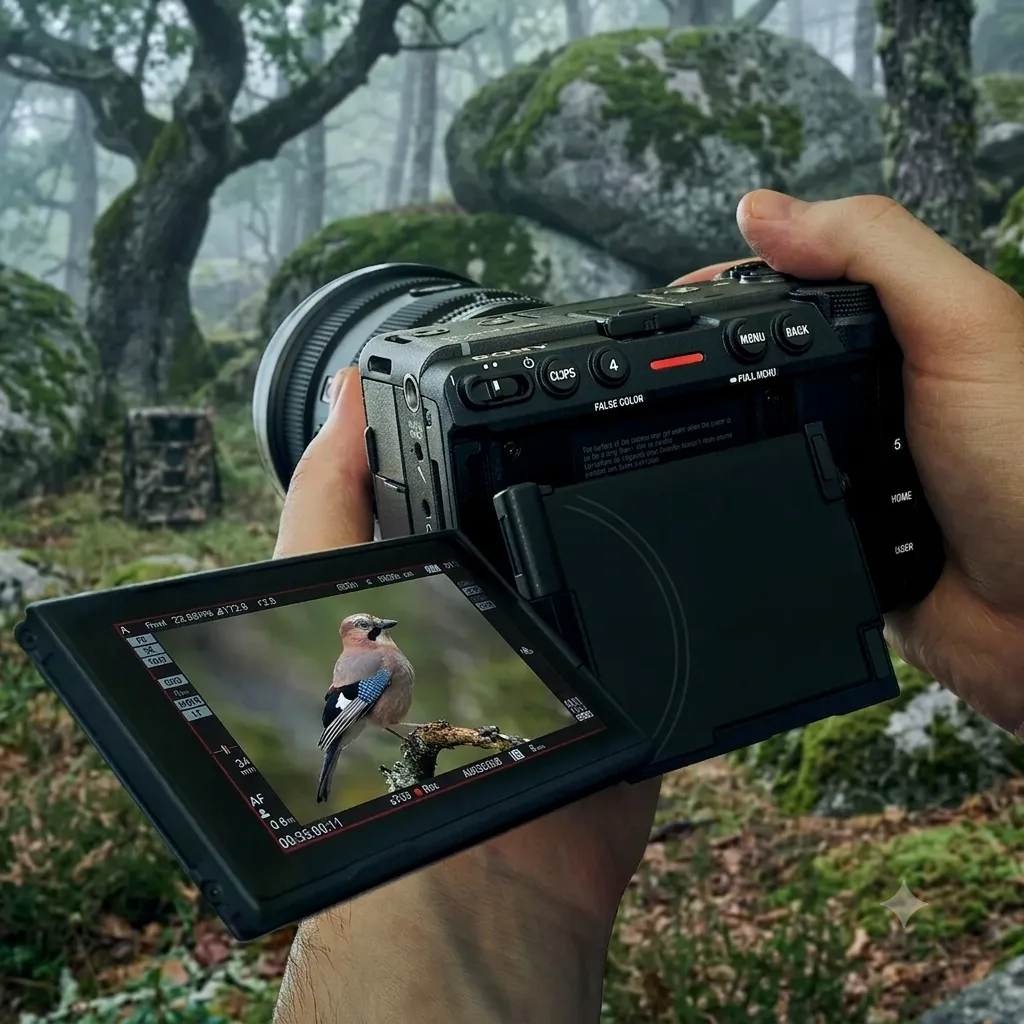
The world of video-based wildlife filmmaking is evolving at a breathtaking pace, and Sony’s latest announcement—the Sony FX5 cinema camera —has immediately stirred up excitement among birdwatchers and wildlife documentarians who focus on motion.
When a new Cinema Line body hits the market, the birder’s perspective is always unique: we care little for studio lighting grids or stage setups. Instead, we want to know how the gear performs in the dim, early morning woods, whether it can withstand humidity inside a hide, and if it can lock onto a tiny warbler darting through dense foliage. At first glance, the Sony FX5 appears to be a compact cinema camera without compromises, but is it truly worth the investment for wildlife filmmakers, or do previous FX bodies and hybrid stills cameras remain the more sensible choices?
In this article, we take an honest, detailed look at the FX5’s capabilities, its evolutionary lineage, and its core strengths and weaknesses in the field.
Early Public Reception: The Praises
Sony just revealed the FX5. The wildlife filmmaking world is buzzing. Field testers, cinematographers, and early creators are flooding forums with raw impressions. First-hand feedback is everywhere.
Wildlife filmmakers love two headline features: internal 16-bit X-OCN RAW recording and 5K Open Gate capability. Sony squeezed flagship VENICE and BURANO color science into a 750-gram handheld body. That gives creators massive post-production flexibility without the back pain.
The new 16.6-megapixel stacked sensor reads data at blinding speeds. Fast-flapping wings cause zero rolling shutter distortion. The dreaded “jello effect” from older hybrid bodies is officially gone.
Autofocus performance took a giant leap forward. The new BIONZ XR2 processor uses dedicated AI to track birds through dense cover. It locks onto targets behind thick branches and holds focus aggressively. Early reviewers rate it miles ahead of the FX3.
The Criticisms and Industry Verdict
The feedback is not all praise. The FX5 faces sharp criticism for key missing features.
The biggest disappointment? No internal electronic variable ND filter. Filmmakers wanted Sony to shrink the FX6’s brilliant ND system into this compact shell. They failed to do that. Now, operators must fiddle with external screw-on or matte box filters when forest light shifts unexpectedly. You lose time. You miss fleeting moments.
The price tag hurts, too. The body lands between $4,900 and $5,500. Add the expensive optional OLED viewfinder (DVF-EL1), and costs explode. The FX5 clearly targets paid production crews, completely pricing out most enthusiast birders.
The Early Consensus: Reviewers view the Sony FX5 as a true technological tour de force. It is a legitimate “mini-VENICE” that redefines compact cinema cameras. If you demand a dedicated, uncompromised motion tool and have a production budget to burn, the verdict is simple: the FX5 is your new benchmark.
Technological Evolution and the Legacy of Its Predecessors (FX2, FX3 & FX6)
To understand where the Sony FX5 fits into the market, you must look at the Cinema Line legacy.
In 2021, the Sony FX3A revolutionized compact videography. It blended Alpha ergonomics with active cooling and an XLR handle, creating the ultimate “run-and-gun” platform. The Sony FX6 offered a larger body with a brilliant built-in electronic variable ND filter, but its bulkier shape made handheld tracking tricky in dense forests. More recently, Sony introduced the FX2, bringing a 33MP sensor, a dedicated photo mode, and a tilting EVF into the Cinema Line to appeal to hybrid creators. However, the FX2’s slower sensor readout and lack of internal RAW recording still left high-end wildlife documentarians wanting more.
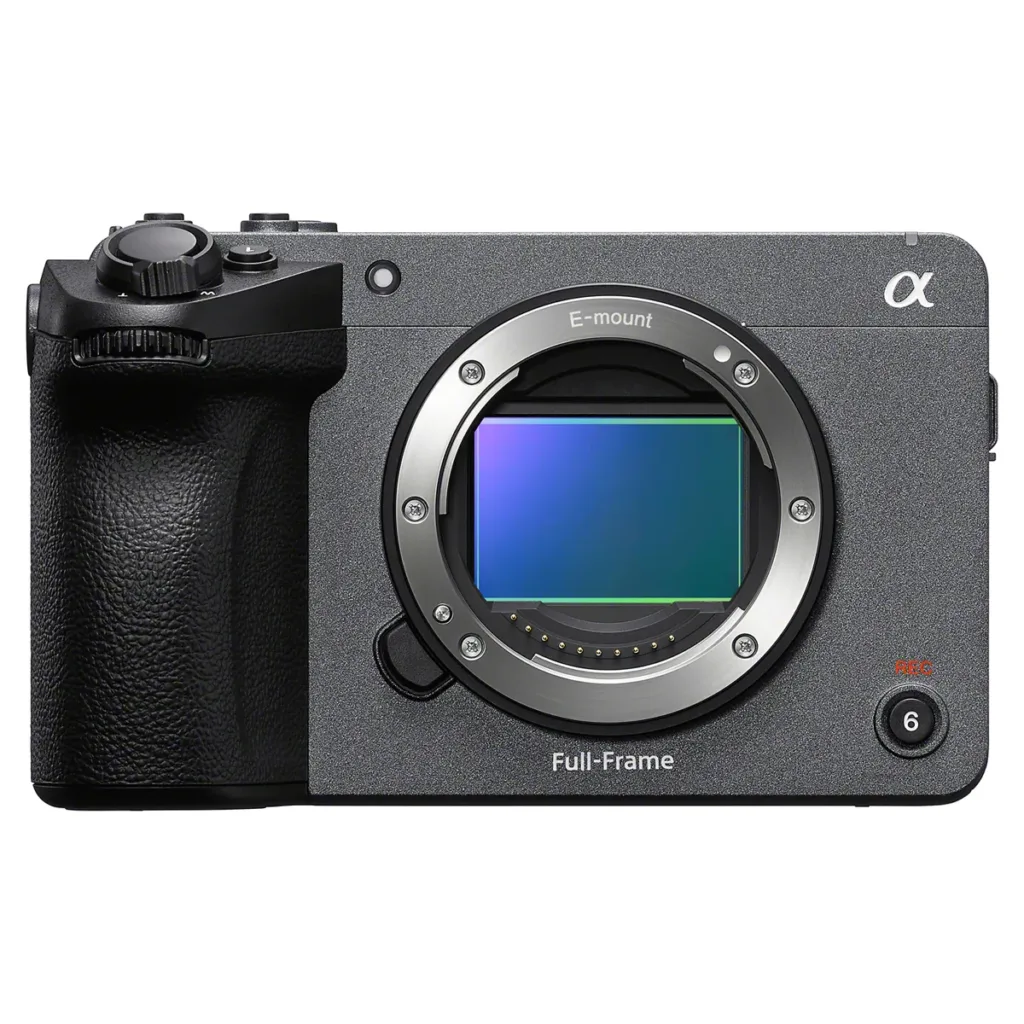
The FX5 bridges these gaps in one ruthless package. Its footprint mirrors the compact FX3, but the internal hardware takes a massive leap forward. A brand-new, 16.6-megapixel, fully stacked Exmor RS CMOS sensor powers the camera. The BIONZ XR2 processor and a dedicated AI unit work beside it. This architecture drives sensor readout speeds to blinding levels, making rolling shutter distortion—and the dreaded “jello effect” on fast-flapping wings—a thing of the past.
For bird videographers, the evolutionary leap comes down to internal 16-bit X-OCN RAW recording and 5K Open Gate (3:2) capture. Older compact models forced you to rig up external recorders like the Atomos Ninja just to get RAW footage. That meant extra batteries, messy cables, and extra weight on long forest treks. The FX5 records RAW internally to CFexpress Type A cards while adopting the high-end Sony VENICE cinema interface. It is not just an incremental tweak—it is a full category shift for compact cinema bodies.
Sony FX5 Technical Specifications
| Feature / Category | Specification Details |
| Sensor Type | Full-Frame (35mm) Stacked Exmor RS CMOS |
| Effective Resolution | 16.6 Megapixels |
| Image Processor | BIONZ XR2 + Dedicated AI Processing Unit |
| Dynamic Range | 15+ Stops |
| Base ISO (Triple Native) | ISO 800 / 4000 / 12,800 |
| Internal RAW Recording | 16-bit X-OCN RAW (LT, C1, C2) to CFexpress Type A |
| Video Formats & Resolutions | 5K Open Gate (3:2): Up to 60 fps 4K (16:9): Up to 120 fps FHD: Up to 240 fps |
| Autofocus System | Fast Hybrid AF with AI Subject Recognition (Humans, Animals, Birds) |
| In-Body Stabilization (IBIS) | 5-Axis Sensor-Shift Image Stabilization |
| Rolling Shutter Performance | Ultra-Fast Readout (Virtually Eliminated) |
| Built-in ND Filter | None (Requires external drop-in or screw-on filters) |
| Stills / Photo Mode | None (Dedicated Cinema Video Camera) |
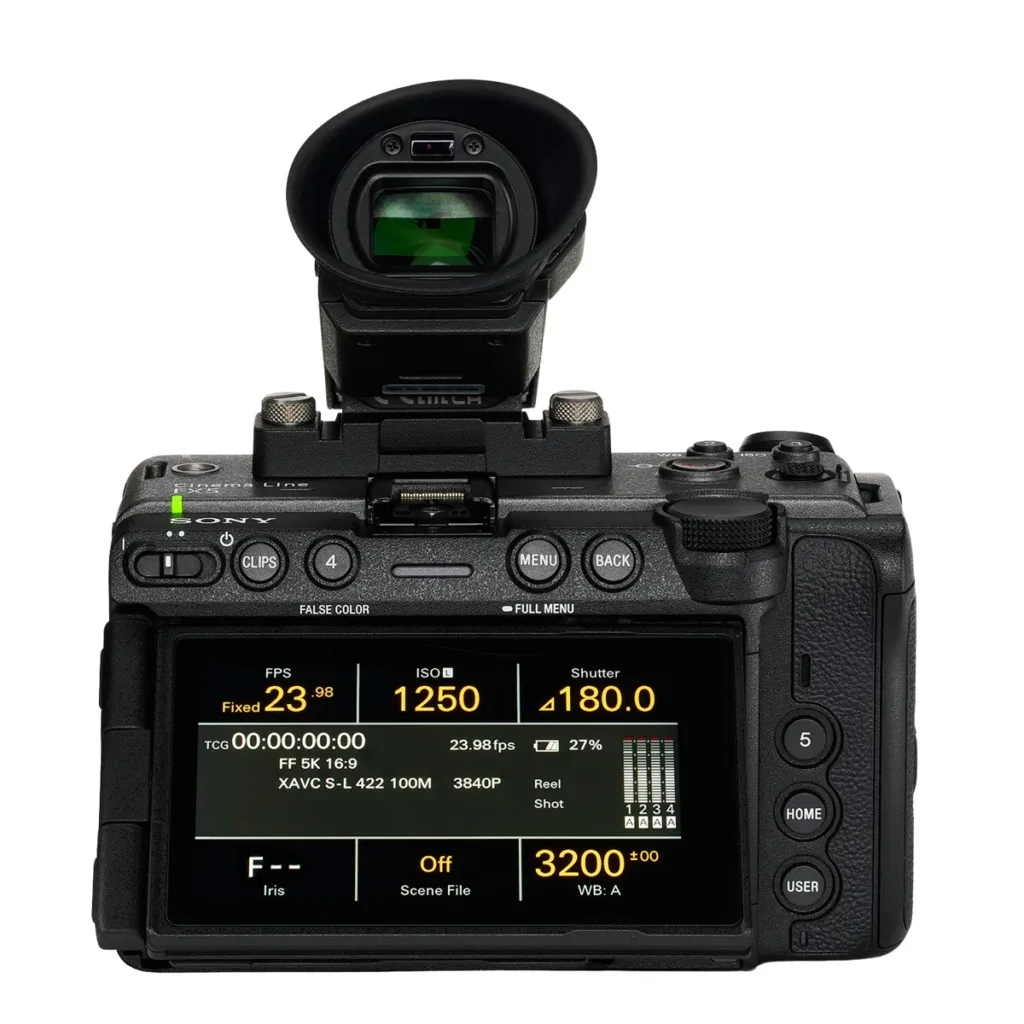
| Display | 3.5-inch 4-Axis Multi-Angle Touchscreen LCD |
| Viewfinder (EVF) | Optional External OLED Viewfinder (DVF-EL1) |
| Audio | Supports XLR-H2 Top Handle (32-bit Float, 96 kHz Audio) |
| Media Card Slots | Dual Slots (CFexpress Type A / SDXC UHS-II) |
| Connectivity | Full-Size HDMI (Type A), USB-C (Power Delivery), 3.5mm Mic/Headphone |
| Body Weight | ~750 g (1.65 lbs) — Body Only |
Unquestionable Strengths of the Sony FX5 for Bird Videography
Filming wildlife—and birds in particular—is one of the most demanding genres in visual storytelling. Birds are unpredictable, incredibly fast, and frequently display their most captivating behaviors in dark canopy shadows or during the dim twilight of dawn. In these scenarios, the FX5 deploys several features that make it an absolute dream tool for bird filmmakers:
- Unmatched AI-Powered Bird Subject Recognition: The onboard AI processing unit does not merely detect birds; it locked-on tracks a bird’s eye, head, or body even when obscured by branches or foliage, or when making sudden turns mid-flight. This feature drastically boosts your keeper rate of sharp, perfectly focused footage.
- Virtually Eliminates Rolling Shutter: Rapid wing beats (such as those of a hummingbird or a diving kingfisher) can warp unnaturally under traditional sensors. The stacked sensor’s ultra-fast readout ensures that wing motion looks fluid, natural, and true to physics.
- Triple Base ISO (ISO 800 / 4000 / 12 800): Having three native ISO bases offers unprecedented flexibility in low light. Clips captured at ISO 4000 and 12,800 display remarkably clean noise profiles, allowing you to capture pristine footage with 15+ stops of dynamic range under thick forest canopies or right after sunset.
- 4K 120 fps and 5K Open Gate Versatility: Shooting 4K at 120 frames per second allows for buttery-smooth, cinematic slow-motion analysis of take-offs and landings. Meanwhile, 5K Open Gate (3:2 full-sensor read) gives you the freedom to crop out both widescreen 16:9 videos for YouTube and tall 9:16 vertical clips for social media from a single take without sacrificing resolution.
Trade-offs and Drawbacks: What You Need to Know Before Buying
While the Sony FX5 looks nearly flawless on paper, real-world field use highlights a few critical omissions and compromises made to maintain its ultra-compact form factor:
- Complete Absence of a Stills/Photo Mode: This cannot be overstated: the FX5 is a dedicated cinema camera. There is no traditional photo mode, and you cannot shoot standard RAW or JPEG stills at the press of a shutter button. If your goal is to alternate between bird photography and videography on a single trip using one camera body, this model is not for you—a Sony Alpha 1 or A7R V would be a far better fit.
- No Built-in Electronic Variable ND Filter: Maintaining a correct shutter speed (e.g., 1/50s or 1/120s for natural motion blur) in bright outdoor environments requires neutral density filtration. Unlike the FX6, the FX5 does not feature an internal electronic ND filter. This means you must rely on screw-on or drop-in filters in the field, which slows down your workflow when weather conditions change rapidly.
- Expensive Accessories (EVF) and High Price Point: While the 3.5-inch rear LCD screen is crisp, viewing a screen under direct, harsh sunlight while tracking birds in the open can be extremely difficult. The dedicated, tilting OLED viewfinder (DVF-EL1 EVF) must be purchased separately at a steep cost. When combined with the FX5’s premium base price, XLR top handle, and high-speed CFexpress cards, the total investment may prove daunting for hobbyist birders.
How I Would Use the Sony FX5 — And Would I Actually Buy It?
When looking at a flagship piece of gear like the Sony FX5, it is easy to get swept up in the technical specifications, the internal RAW recording, and the marketing buzz. But field work quickly separates high-end specs from practical tools.
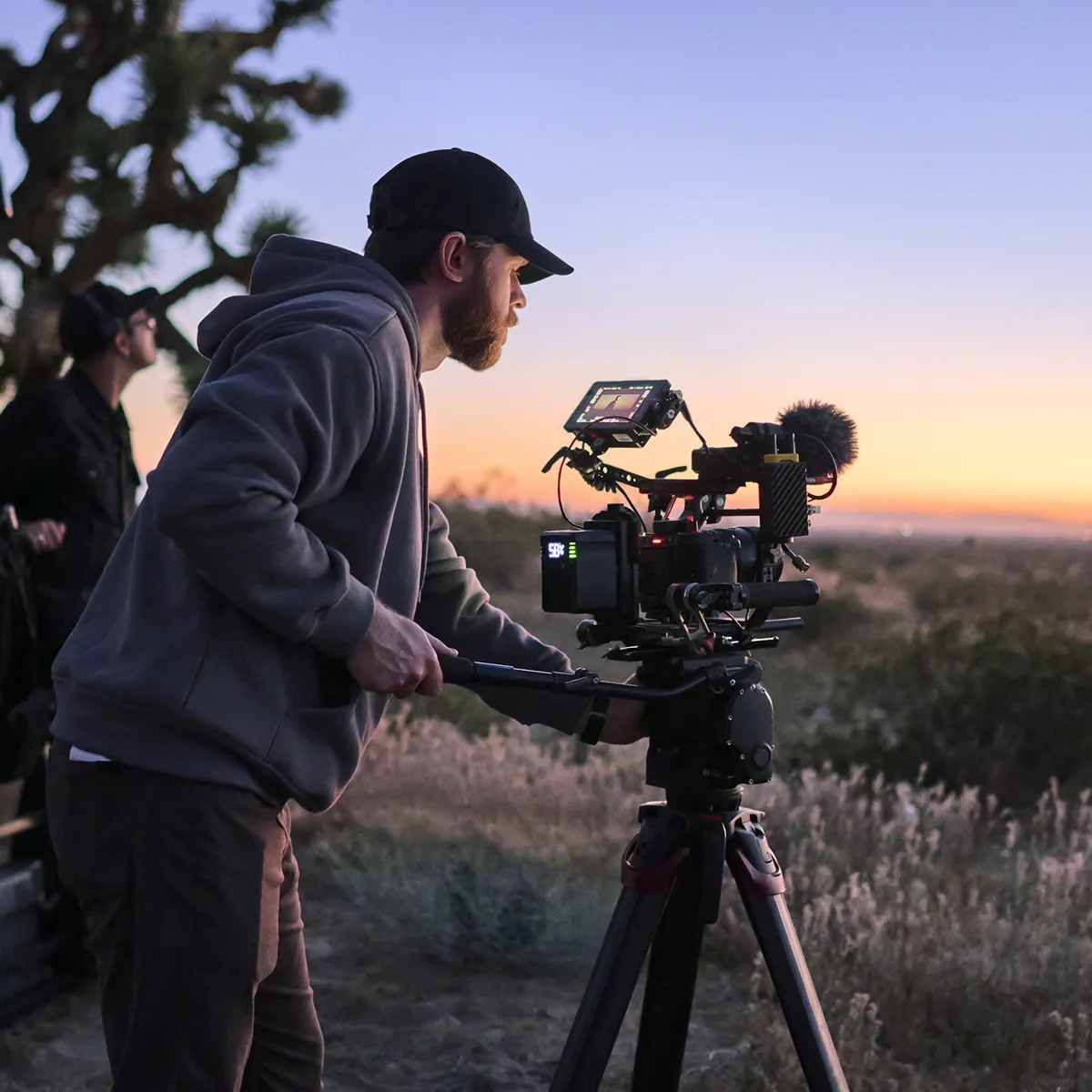
If I had the FX5 in my kit, my use case for it would be extremely specific: dedicated, high-end video production. I would pair it with a telephoto zoom like the Sony FE 200-600mm f/5.6-6.3 G OSS or a fast prime, set up in a fixed hide or on a heavy-duty fluid head tripod. In early morning light or deep forest hides, I would rely heavily on its Triple Base ISO (specifically pushing up to ISO 4000 and 12,800) to capture crisp, low-noise behavior footage that would be impossible with standard hybrid bodies. The 5K Open Gate feature would also completely reshape my workflow, allowing me to frame once and export both a cinematic 16:9 documentary clip for my main channel and a vertical 9:16 reel for social media without losing subject tracking accuracy.
So, would I actually buy the Sony FX5?
For my current setup and workflow on Gotobirding, the honest answer is no.
While the FX5 is an absolute technical marvel for pure cinematographers, it misses the mark for how most wildlife content creators work in the real world:
- The lack of stills is a dealbreaker: When I am out in the field, I need the flexibility to capture high-resolution photos for field guides, article headers, and galleries, alongside recording video. Carrying a dedicated camera body purely for video means I would still need a second body (like an Alpha 1, A7R V, or A9 III) for photography, doubling my pack weight and drastically slowing down my reaction time.
- The friction in changing environments: The absence of an internal electronic variable ND filter is a huge drawback for run-and-gun birding. Fumbling with screw-on ND filters while a rare bird is briefly perched in changing sunlight means missed opportunities.
- The total cost of ownership: By the time you add the essential outer EVF for bright outdoor viewing, top handle audio gear, and high-speed CFexpress Type A cards, you are looking at a setup well over $6,000–$7,000.
So, if I were running a full-time, dedicated wildlife documentary production where motion picture quality is the sole priority, the FX5 would be at the top of my wishlist. But as a birder and creator who needs a nimble, versatile tool to capture both photos and video on the fly, a high-end hybrid Alpha body remains the far smarter, more practical investment.
Summary and Final Verdict
The Sony FX5 is not a mass-market camera, nor is it meant to be a jack-of-all-trades hybrid. Sony designed this model for a distinct target audience: professional or serious wildlife filmmakers, documentarians, and content creators who prioritize cinema-grade image quality, internal RAW workflows, and industry-leading autofocus, and who are willing to invest in a dedicated video setup.
If your primary objective is observing, documenting, and capturing breathtaking, cinematic videos of bird species, the FX5 stands out as one of the most capable portable tools available today. Its AI-driven focus tracking and low-light performance grant a level of creative freedom in the field that was unthinkable just a few years ago. However, if still photography remains an essential part of your workflow, or if you prefer a simpler setup without external ND filters and costly modular add-ons, hybrid bodies in the Sony Alpha lineup (such as the A7 IV or A7S III) or the FX3/FX30 remain far more practical and budget-friendly alternatives.
If you want to see how Sony’s Cinema Line performs in real-world scenarios, check out this video breakdown covering the capabilities and video features of the FX lineup:
This video provides an overview of the features and practical usability of Sony’s Cinema Line camera, helping you make the right decision before purchasing.
Affiliate Disclosure: At Gotobirding, we only recommend gear we genuinely trust for field use. Some links on this page are affiliate links. If you click through and make a purchase, I may earn a small commission—at zero additional cost to you. This helps keep my reviews independent and free.

Lorand Vigh is a nature conservation professional and lifelong birder based in Serbia (Vojvodina). With over 30 years of field experience in birdwatching, habitat protection, and conservation management, he has worked on bird monitoring projects, habitat restoration initiatives, and cross-border conservation cooperation. GoToBirding is a personal project built on real field experience, sharing practical, science-based advice for birders and wildlife photographers.