
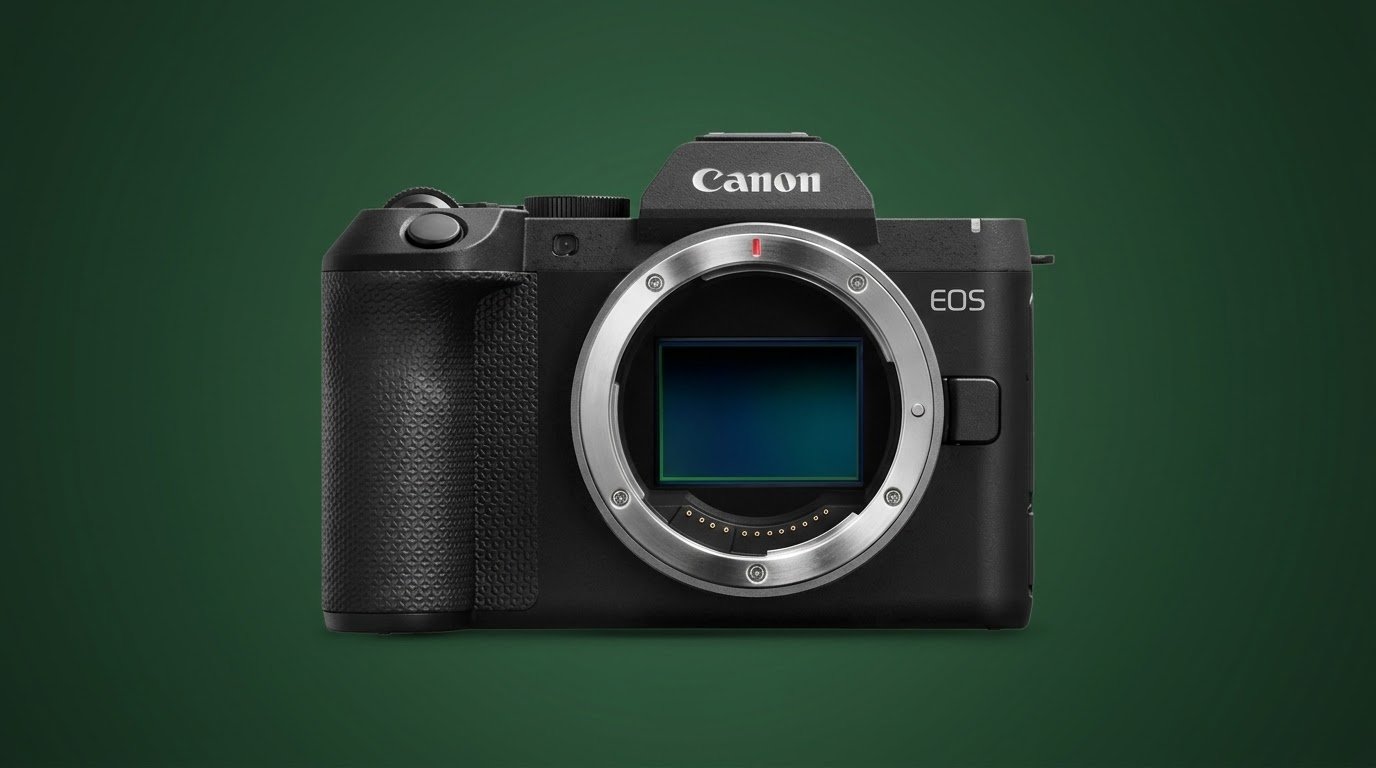
When Canon originally released the EOS R8, birdwatchers and wildlife photographers received it with mixed emotions. On one hand, we were given the jaw-dropping 40 frames-per-second continuous burst rate and top-tier subject-tracking autofocus algorithm inherited directly from higher-end bodies like the R6 Mark II, all packed into an extraordinarily lightweight body. On the other hand, the original R8 felt held back by glaring omissions that hurt field performance: it lacked In-Body Image Stabilization (IBIS), sported no physical AF joystick, suffered from a restrictive buffer during heavy RAW shooting, and relied on the tiny LP-E17 battery that forced us to constantly swap batteries while out in the field.
Canon has now officially announced the EOS R8 Mark II, triggering immediate discussions across global birding forums, wildlife photography subreddits, and gear communities. The camera is officially marked as a New Arrival and is open for pre-order on Adorama at a body-only retail price of $1,899.00. It is available as a standalone body or bundled with the RF 24-50mm lens kit.
While the camera is currently in its pre-order phase, we have conducted an extensive deep-dive into the official specifications, white papers, and early feedback from the birding community. Does the Mark II successfully resolve the teething issues of its predecessor? Is it worth the upgrade for photographers trying to capture darting warblers in dense canopies or raptors soaring overhead? In this comprehensive breakdown, we analyze every dimension of the EOS R8 Mark II through the specific lens of a bird photographer.
1. What Changed? Key Upgrades Through a Birder’s Lens
Scanning through the specification sheet reveals that Canon did far more than perform a simple cosmetic refresh. The R8 Mark II was redesigned specifically to eliminate the most vocal criticisms voiced by nature photographers who push their equipment to the limits in unpredictable outdoor environments.
In-Body Image Stabilization (IBIS) Arrives at Last
The absence of body stabilization was the single biggest dealbreaker for many looking at the original R8. While many popular telephoto lenses—such as the RF 100-400mm f/5.6-8 IS USM or the RF 200-800mm f/6.3-9 IS USM—come equipped with Optical Image Stabilization (OIS), having a dedicated 5-axis IBIS system working in harmony inside the body changes the shooting equation entirely. The R8 Mark II proudly stands as the lightest camera in the entire EOS lineup to feature in-body stabilization, providing up to 7.5 stops of coordinated shake correction at the image center.
Early mornings and late dusk are prime hours for bird activity, but they present severe lighting challenges. With up to 7.5 stops of coordinated stabilization, you no longer need to crank your ISO into noisy territories just to maintain a steady handheld shot. Holding a long lens steady while waiting for a perched bird to sing becomes significantly smoother, reducing physical fatigue and shutter shake. Handheld video shooting also gains remarkable fluidity, removing the necessity of dragging heavy gimbals or tripods into deep woods.
The Physical AF-Joystick (Multi-Controller)
Anyone who has tried tracking a fast-moving warbler hopping through dense branches while wearing gloves on a freezing morning knows how frustrating touch-screen focus point manipulation can be. When your eye is glued to the Electronic Viewfinder (EVF), tactile physical controls are essential.
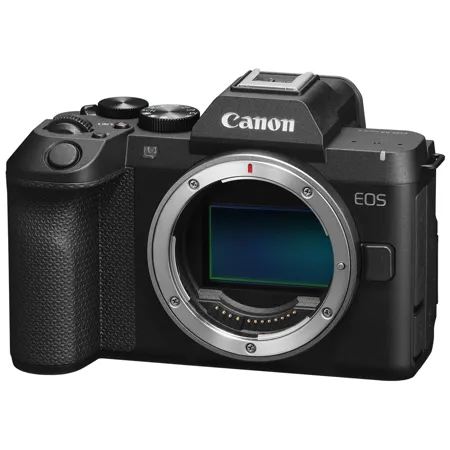
The R8 Mark II introduces a dedicated physical Multi-Controller joystick on the rear panel, adapted from higher-tier bodies. This addition completely transforms field handling. Toggling between zone tracking, single-point spot AF, and full-area tracking becomes instantaneous, drastically reducing the number of missed opportunities caused by fighting menu interfaces. Paired with the crisp OLED Electronic Viewfinder and Vari-angle LCD, composition in challenging angles becomes intuitive and fast.
Pre-Continuous Shooting (Pre-Capture): Never Miss a Take-Off
One of the most frustrating aspects of bird photography is human reaction time. By the time your brain registers that a kingfisher or a heron has leaped off its perch, the bird has often already left the frame.
When you half-press the shutter button on the R8 Mark II, the camera continuously buffers images in internal memory. The moment you press the shutter button fully, it saves split-second action from before the full press was executed. This pre-continuous recording capability captures the critical 0.5-second window prior to shutter engagement, capturing roughly 20 frames in RAW or JPEG. Bringing Pre-Capture down to this price point effectively bridges the gap between human reflexes and lightning-fast avian movements.
Expanded RAW and JPEG Buffer
A maximum burst speed of 40 frames per second sounds incredible on paper, but on the original R8, hitting that trigger meant the buffer slammed shut after roughly one second of continuous shooting.
Canon overhauled the internal memory pipeline in the R8 Mark II. Continuous RAW burst capacity has been expanded by 30% (reaching ~73 continuous RAW shots), while JPEG capacity expands by an impressive 58% over the original R8 (reaching up to 190 consecutive frames). While it does not offer the infinite burst capacity of high-end CFexpress-driven cameras, this enlarged buffer provides just enough breathing room to capture an entire flight path or wing-flap sequence without the camera locking up mid-action.
2. Detailed Technical Specifications Comparison
To see where the EOS R8 Mark II sits in the current landscape, here is a detailed breakdown comparing the new body directly against its predecessor:
| Feature / Specification | Canon EOS R8 (Gen 1) | Canon EOS R8 Mark II (New Arrival) | Bird Photography Impact |
| Price (Body Only) | ~$1,200–$1,500 | $1,899.00 ($159/mo financing) | Accessible performance for mid-tier full-frame entry. |
| Sensor Resolution | 24.2 MP Full-Frame CMOS | 24.2 MP Full-Frame CMOS | Rich tones, natural bokeh, low-noise at high ISO. |
| In-Body Stabilization (IBIS) | None (Lens OIS / Digital only) | 5-Axis IBIS (Up to 7.5 Stops) | Massive advantage for handheld long-telephoto shots. |
| Autofocus System | Dual Pixel II (-6.5 EV) | Smart Dual Pixel II (-7.5 EV) | Advanced detection for animals, vehicles, and people. |
| New AF Modes | Standard Detection | Register People Priority AF | Focus locks onto pre-registered subjects in crowds. |
| Max Burst Speed | Up to 40 fps (Electronic) | Up to 40 fps (Electronic) | Exceptional frame rate for high-speed avian action. |
| Pre-Shooting (Pre-Capture) | No | Yes (Pre-continuous recording) | Critical addition for capturing unpredictable take-offs. |
| AF Selection Control | Touch & Drag LCD / Dials | Physical Multi-Controller Joystick | Faster, tactile focus point selection through the EVF. |
| Buffer Capacity (40 fps) | ~50 RAW / ~120 JPEG | ~73 RAW / ~190 JPEG (+30% / +58%) | Sustained burst shooting during fast flight passes. |
| Creative Color Filters | Standard Styles | 16 Filters (incl. Positive/Negative Filmtone) | In-camera aesthetic options straight out of camera. |
| Video Recording | 4K 60p | UHD 4K 60p, 1080p 180p, C-Log 3 | High-speed slow motion, tally lamp, and C-Log 3 grading. |
| Connectivity & Wireless | Wi-Fi / Bluetooth | Wi-Fi 2.4/5GHz, BT 5.3, USB-C Stream | High-speed transfer, remote control, USB-C charging. |
| Battery Type | LP-E17 | LP-E17 | Compact form-factor; spare batteries remain mandatory. |
| Card Slots & Handling | 1x SD (UHS-II) | 1x SD (UHS-II, side door) | Optional EG-E2 extension grip supported. |
| Weight (Body + Battery) | 461 g (1.01 lbs) | 546 g (1.20 lbs) | Lightest IBIS-equipped EOS body in the lineup. |
3. Why the R8 Mark II Succeeds for Birding (The Positives)
Smart Dual Pixel CMOS AF II & Advanced Tracking
Canon’s deep-learning subject-recognition algorithms remain at the absolute forefront of the industry. The Smart Dual Pixel CMOS AF II system in the R8 Mark II doesn’t just look for general animal shapes; it locks onto eyes, heads, and bodies of birds, animals, vehicles, and people with remarkable precision.
The camera also introduces Register People Priority AF, allowing creators to pre-register key faces so the autofocus locks onto intended subjects even in crowded scenes. Furthermore, People Detection can prioritize the upper torso, head, face, or left/right eye. Enhanced AF low-light sensitivity (-7.5 EV) ensures the camera continues tracking smoothly even when shooting inside heavily shaded woodland floors or during twilight.
Unmatched Portability for Full-Frame Wildlife
Nature photography often demands miles of trekking over rough terrain, carrying heavy gear bags, and standing for hours on end. Tipping the scales as the lightest IBIS-equipped body in the EOS lineup, the R8 Mark II breaks away from past curved body designs in favor of a modern, flat-surface aesthetic that offers supreme ergonomic comfort.
When paired with a compact telephoto lens like the Canon RF 100-400mm f/5.6-8 IS USM (635 grams), the combined system weighs under 1.2 kg (2.6 lbs). This creates a nimble, highly capable full-frame setup that won’t strain your back during long field surveys or day-long hikes.
Pre-Burst Recording Changes the Game
Even experienced birders suffer from delayed reaction times when waiting for a shy bird to break cover. The 0.5-second Pre-Capture function completely changes how you approach stationary birds. By maintaining a half-press on the shutter button while observing behavior, you can wait for the exact moment of departure before clicking down fully, confident that the preceding flight frames are already written to the memory buffer.
Improved Ergonomics & Optional EG-E2 Grip
The revised flat-surface body geometry provides a deeper, more secure hold compared to the slim frame of the first-generation model. When mounting larger, heavier telephoto lenses, the revised grip significantly reduces wrist fatigue.
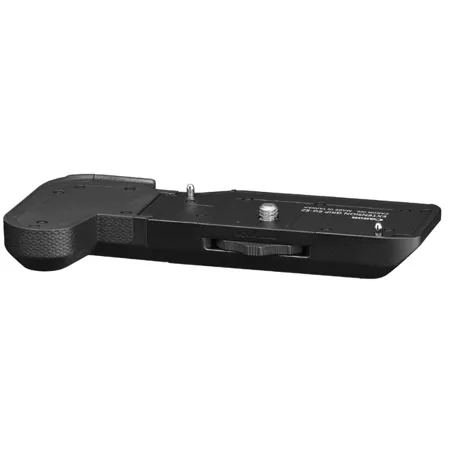
For users seeking an even firmer hold, Canon supports the optional EG-E2 Extension Grip. This accessory is designed specifically for the EOS R8 Mark II, giving your pinky finger a secure resting place and improving handling when working with massive super-telephoto lenses.
4. Where the Limits Lie (The Drawbacks)
Despite its impressive feature list, Canon engineered the R8 Mark II to fit comfortably below the R6 Mark II and alongside crop-sensor bodies like the EOS R7. As a result, bird photographers must weigh a few key compromises before upgrading.
1. 24.2 Megapixels and the “Reach” Factor
In bird photography, you can almost never have enough focal length. Because the R8 Mark II features a 24.2 MP full-frame sensor, cropping aggressively into distant subjects will reduce your overall pixel count quickly. If you crop a 24 MP full-frame image down to APS-C dimensions (a 1.6x crop), you are left with approximately 9.5 megapixels of resolution. By comparison, a crop-sensor camera like the Canon EOS R7 offers 32.5 megapixels natively across that same cropped area. If your primary targets are small passerines or distant waterfowl that you cannot approach closely, 24 MP requires you to get significantly closer or rely on longer optics.
2. The LP-E17 Battery Bottleneck
In order to keep the camera body as small and light as possible, Canon retained the smaller LP-E17 battery. Under standard CIPA testing conditions using the EVF, the battery yields roughly 220 to 340 shots per charge depending on power management. While real-world high-speed burst shooting typically yields significantly more frames per charge than CIPA ratings suggest, bringing at least 3 to 4 spare batteries or utilizing the direct USB-C charging capability via a power bank is essential for any full day in the hide or on the trail.
3. Single Memory Card Slot
The R8 Mark II continues to feature a single UHS-II SD card slot. While Canon moved the card slot out of the battery compartment and into a dedicated side door—a welcome physical improvement—the lack of a dual-slot arrangement means you cannot write real-time backups to a second card. For casual birding and personal field trips this is rarely an issue, but travel photographers or pros shooting unrepeatable wildlife expeditions may find the single slot risky.
4. Rolling Shutter Considerations
Because the R8 Mark II utilizes a standard full-frame CMOS sensor rather than a stacked sensor layout, the readout speed during full electronic shutter (40 fps) has physical limits. When tracking extremely fast wing beats—such as hummingbirds or diving terns—minor rolling shutter artifacts (skewing or bending of wings) can occasionally occur. Switching to the electronic first-curtain shutter mitigates this, though at reduced maximum burst speeds.
5. Community Reactions Among Bird Photographers
Since the camera’s announcement, discussions across international nature photography forums (such as BirdPhotographers.net, DPReview, and Reddit’s nature photography groups) have highlighted how different types of photographers view the R8 Mark II:
- The Mobile & Backcountry Photographers: Photographers who prioritize hiking long distances love the additions. The combination of IBIS, the physical Multi-Controller joystick, and Pre-Capture in a package weighing barely over 540 grams addresses every major complaint they had with the original R8. They view the $1,899 price point—and Adorama’s $159/month financing options—as a fair trade-off for full-frame low-light performance in a light chassis.
- The R7 vs. R8 Mark II Debate: A large segment of the community continues to weigh the R8 Mark II against the EOS R7. The R7 costs less, offers superior pixel density for distant birds via its 32.5 MP APS-C sensor, uses the larger LP-E6NH battery, and includes dual card slots. However, birders who shoot frequently in dark forests, early mornings, or under heavy tree canopies lean toward the R8 Mark II for its noticeably cleaner high-ISO output, superior dynamic range, and rich full-frame bokeh.
- Ergonomic & Feature Feedback: The inclusion of the physical AF joystick and support for the EG-E2 Extension Grip has received universal praise. Field photographers unanimously agree that relying on touch-screen AF selection was a major hindrance on the original R8, making the hardware joystick and expanded buffer (30% RAW / 58% JPEG increase) the most practical upgrades on the new model.
6. Verdict and Recommendation: Who Should Buy It?
The Canon EOS R8 Mark II is a mature, highly capable mirrorless body that bridges the gap between lightweight consumer cameras and heavy professional workhorses. By addressing handling flaws while retaining top-tier autofocus performance, Canon has created a strong contender for nature enthusiasts.
Who Should Buy the EOS R8 Mark II?
- Trekking & Travel Birders: Anyone who wants maximum performance with minimal carry weight during long hikes.
- Low-Light & Forest Photographers: Photographers frequently working in shaded environments where full-frame sensor performance, 7.5-stop IBIS, and high ISO noise control are critical.
- Action & Hybrid Creators: Photographers looking for advanced features like 0.5-second Pre-Capture, 40 fps tracking, UHD 4K 60p, 1080p 180p slow motion, C-Log 3, and a front-facing tally lamp without stepping up to premium pro-body price tags.
Who Might Want to Look Elsewhere?
- Distant Subject Specialists: Photographers who consistently shoot small birds at long distances without long telephotos may benefit more from the extra pixel density of an APS-C sensor like the EOS R7.
- Expedition & High-Volume Shooters: Photographers who require dual memory card backup and all-day battery life without carrying extra spares.
Where to Order & Pricing Details
The Canon EOS R8 Mark II is officially listed as a New Arrival on Adorama. Available options include:
- Body Only: $1,899.00 (or $159/mo special financing over 12 months)
- Lens Kit (with RF 24-50mm): $2,099.00
If you want to secure your unit early and help support independent gear reviews on Gotobirding.com, you can place your pre-order directly through our affiliate link on Adorama below:
👉 Pre-Order the Canon EOS R8 Mark II Camera Body at Adorama
What are your thoughts on the new EOS R8 Mark II? Do the addition of 7.5-stop IBIS, the AF joystick, and Pre-Capture make it your ideal full-frame setup, or do you prefer the extra reach of crop sensors? Let us know in the comments below!

Lorand Vigh is a nature conservation professional and lifelong birder based in Serbia (Vojvodina). With over 30 years of field experience in birdwatching, habitat protection, and conservation management, he has worked on bird monitoring projects, habitat restoration initiatives, and cross-border conservation cooperation. GoToBirding is a personal project built on real field experience, sharing practical, science-based advice for birders and wildlife photographers.