
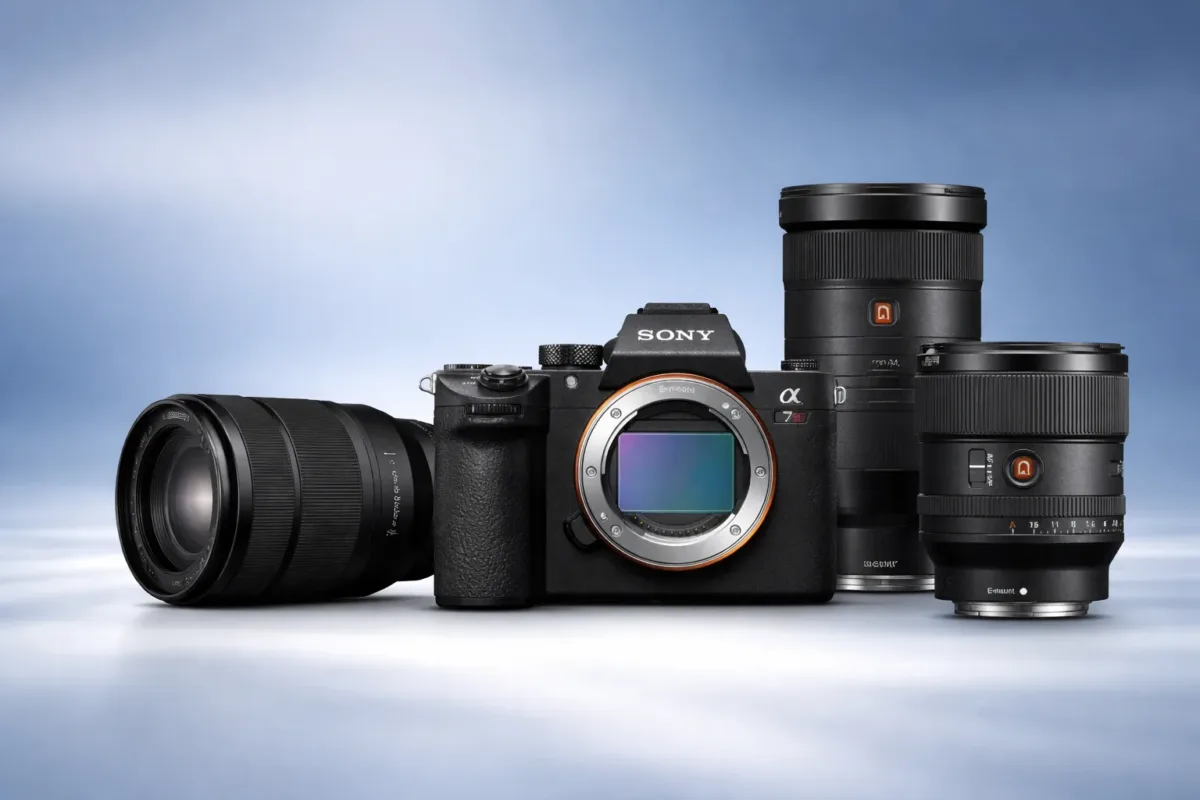
Every serious birdwatcher or wildlife photographer knows that timing is everything. The perfect shot often happens in a split second—a bird taking flight, a rare species appearing briefly in ideal light, or a moment of interaction that can never be recreated. Because of this, the gear you use is not just a tool—it’s your ability to react, capture, and preserve those moments.
That’s why camera deals, especially from brands like Sony, deserve more than just a quick glance at the discount percentage.
When I explore current Sony Photography deals on Adorama, I’m not simply asking whether the price is lower than usual. I’m asking a much more important question: does this deal unlock better performance in real-world birding situations? Because that’s where the true value lies—not in saving a few hundred dollars, but in increasing your chances of capturing meaningful images.
Sony has positioned itself as a leader in mirrorless technology over the past decade, and this leadership is especially noticeable in areas that matter most to bird photographers. Autofocus tracking, burst shooting, dynamic range, and low-light performance are not just specs on a sheet—they directly impact your success rate in the field.
What makes these deals even more interesting is that they often focus on proven camera bodies rather than untested new releases. That means you’re not just getting a discount—you’re getting a camera that has already been validated by thousands of photographers across different environments and conditions.
In this guide, we’re going to go far beyond surface-level recommendations. We’ll explore what these deals actually mean, how they translate into real-world performance, which models stand out the most, and how to think strategically about upgrading your gear.
Because at the end of the day, the best deal is not the cheapest camera—it’s the one that helps you capture moments you would have otherwise missed.
Note: Some of the links in this article are affiliate links, which means that I may earn a small commission if you click through and make a purchase—at no additional cost to you.
What Makes These Sony Deals Actually Valuable?
At first glance, most camera deals look similar. A price reduction, maybe a bundle, and a limited-time offer designed to create urgency. But when you take a deeper look at Sony deals—especially those featured on Adorama—you start to notice patterns that separate them from typical promotions.
The first layer of value is obvious: direct discounts. Seeing $200, $300, or even $700 off a high-end camera is always appealing. However, for experienced photographers, that’s only the beginning. The real value comes from understanding what that discount represents in terms of long-term usability and performance.
Sony deals often include accessories that genuinely enhance your shooting experience. Extra batteries, for example, are not just a bonus—they are essential for long birdwatching sessions where you may spend hours waiting for activity. Memory cards allow you to shoot more freely without worrying about running out of space during burst sequences. These are not “nice-to-have” extras—they are practical tools that reduce friction in the field.
Another layer of value comes from the maturity of the products being discounted. Many of the cameras featured in these deals are not brand-new releases. Instead, they are refined, tested, and widely used models that have proven their reliability. This reduces the risk of early adopter issues and ensures that you’re investing in something stable and dependable.
There’s also a psychological aspect to these deals that shouldn’t be ignored. When a high-end camera becomes more accessible, it opens the door for photographers who may have been hesitant to upgrade. That shift can have a significant impact—not just on image quality, but on motivation, creativity, and overall engagement with the hobby.
Finally, these deals serve as a snapshot of the market. They show which cameras are being positioned as value leaders, which models are being phased out, and where innovation is heading next. Even if you’re not buying immediately, understanding these patterns can help you make smarter decisions in the future.
In short, the real value of these Sony deals is not just in the price—it’s in the combination of performance, reliability, and opportunity.
Featured Sony Deals Worth Your Attention
When reviewing the current lineup of Sony deals, a few models consistently stand out—not just because of their discounts, but because of how well they align with the demands of birdwatching and wildlife photography.
Sony Alpha a7 III – The Best Value Workhorse
This is easily one of the most compelling deals right now.
The Sony Alpha a7 III continues to dominate conversations around value. Even years after its release, it remains one of the most balanced cameras available. Its autofocus system is fast, accurate, and reliable, making it ideal for tracking birds in motion. Combined with strong low-light performance, it allows photographers to shoot during early mornings and late afternoons—times when bird activity is often at its peak.
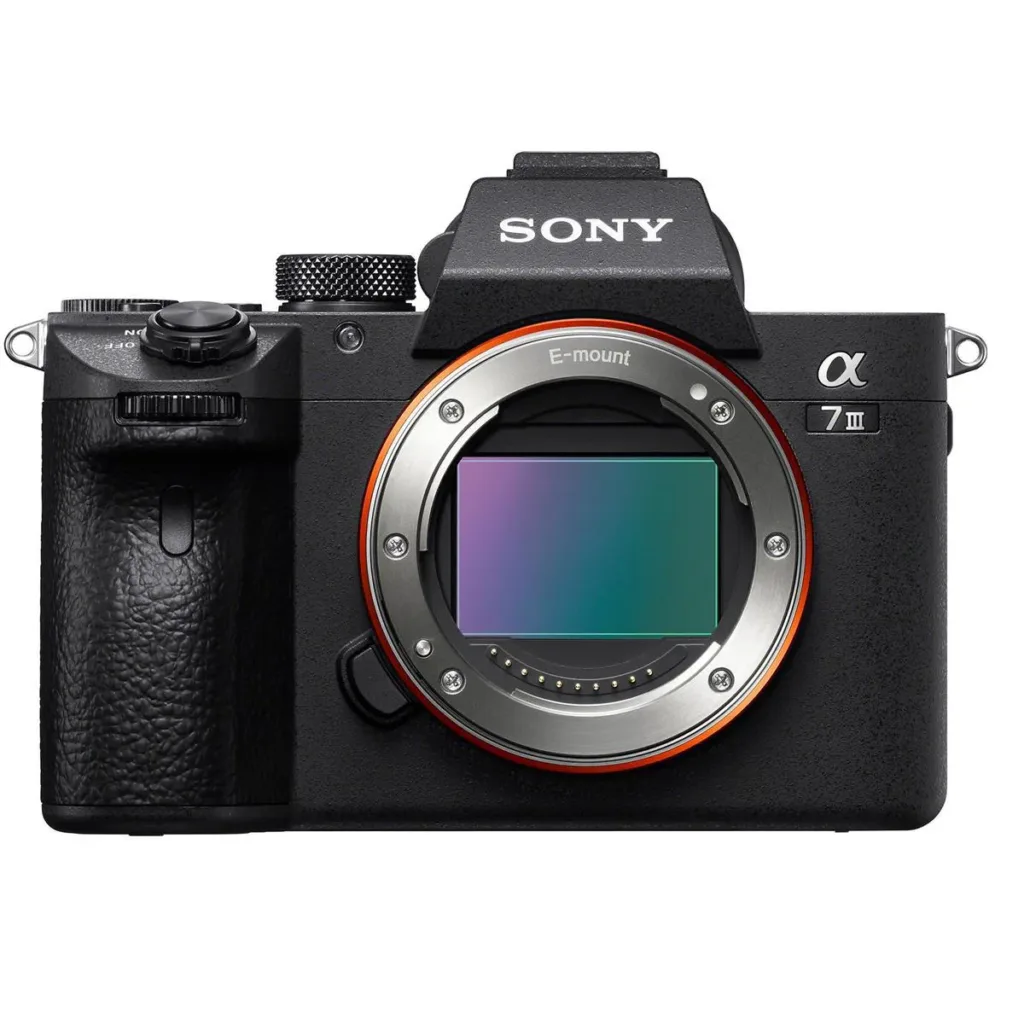
What makes this deal particularly compelling is that it lowers the barrier to entry for full-frame photography. For many users, this represents a significant upgrade from crop sensor systems, offering better image quality, improved dynamic range, and more flexibility in post-processing.
What makes the a7 III so powerful isn’t just the specs—it’s how balanced everything feels in real use. The autofocus system covers most of the frame, tracks moving subjects extremely well, and performs reliably even in difficult lighting.
For birdwatchers, this translates into:
- More in-focus shots of birds in motion
- Better results at sunrise and sunset
- Less frustration overall
Even years after release, many photographers still consider it the best “bang for buck” full-frame camera, and community feedback reflects that—it’s often described as a dependable “workhorse” that handles almost any situation well.
Sony Alpha a7 IV – The Hybrid Upgrade
If the a7 III is about value, the a7 IV is about refinement.
This camera builds on everything the a7 III does well and improves it—especially autofocus tracking and video capabilities. For anyone creating content alongside bird photography (YouTube, reels, blog visuals), this is where things get interesting.
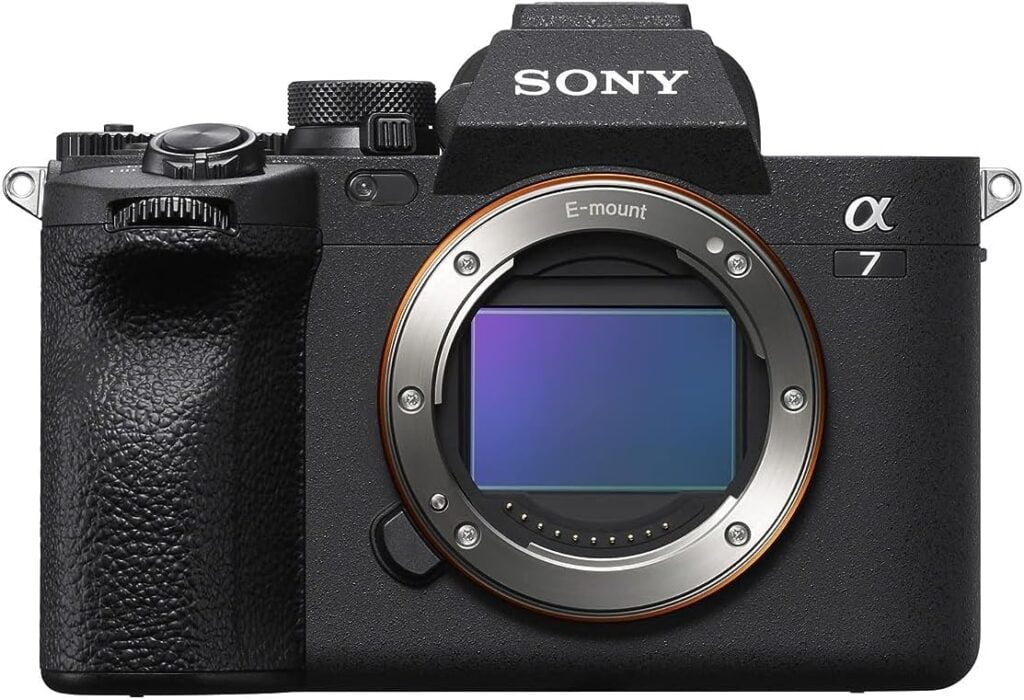
The Sony Alpha a7 IV builds on this foundation and introduces improvements that are especially valuable for hybrid creators. In today’s content-driven world, many birdwatchers are not just taking photos—they are creating videos, writing blog posts, and sharing their experiences across platforms. The a7 IV supports this shift by offering enhanced video capabilities, better autofocus tracking, and a more refined user experience.
You’re getting:
- More advanced subject tracking
- Better video quality (important for content creators)
- Improved ergonomics and usability
This makes the a7 IV a strong choice if you’re not just documenting birds, but also building a platform around it.
Sony Alpha a7R V – Maximum Detail for Wildlife
Then there’s the Sony Alpha a7R V, which pushes the boundaries of resolution and detail. This camera is designed for photographers who demand the highest level of image quality. In bird photography, this often translates into the ability to crop heavily while retaining sharpness and detail. For distant subjects, this can be a game-changer.
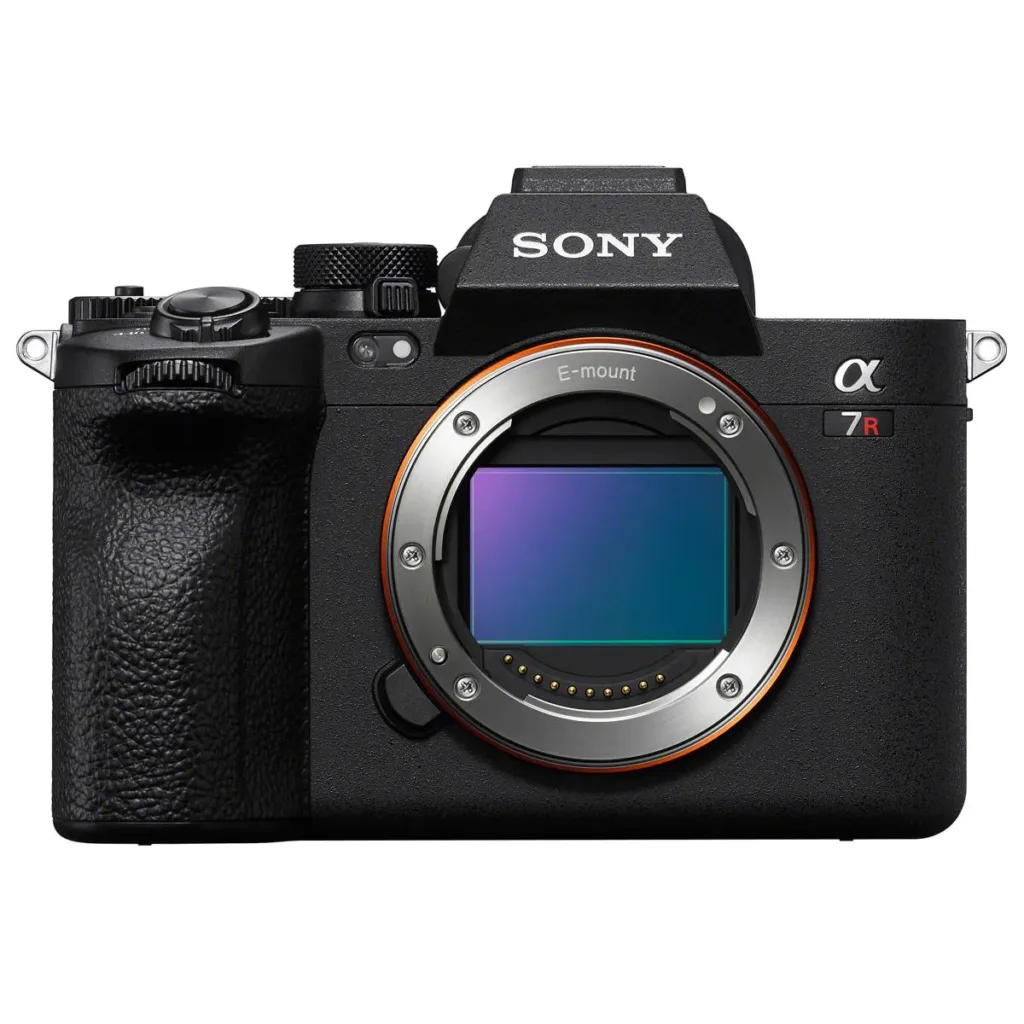
The a7R V is built for photographers who want extreme detail—perfect for situations where you can’t get physically close to your subject. With its ultra-high resolution sensor, it allows heavy cropping while still maintaining image quality.
For bird photography, this is huge.
Instead of worrying about reach all the time, you can:
- Crop aggressively
- Preserve feather detail
- Still end up with publishable images
It’s not for everyone—but if you’re aiming for professional-level wildlife photography, this is one of the most powerful tools available.
Each of these cameras represents a different approach to photography, and the deals associated with them reflect that diversity. Whether you’re looking for reliability, versatility, or maximum detail, there’s a Sony camera that fits your needs.
The key is not just to choose based on price, but to understand how each model aligns with your shooting style and goals.
Choosing the Right Lens: The Real Game-Changer in Bird Photography
If there’s one thing that often gets overlooked when people look at camera deals, it’s this: the lens matters just as much—if not more—than the camera body itself.
In birdwatching and wildlife photography, your ability to capture compelling images is heavily dependent on reach. Unlike many other types of photography, you rarely have the luxury of getting physically close to your subject. Birds are cautious, fast, and often distant, which means your lens becomes your primary tool for bridging that gap.
This is where telephoto lenses come into play.
A telephoto lens allows you to photograph distant subjects while maintaining detail, compression, and subject isolation. Longer focal lengths also help create that beautiful background blur (bokeh), which makes your subject stand out more clearly in complex natural environments (Sony Malaysia).
The Two Most Important Sony Lens Choices
When exploring Sony’s ecosystem, two lenses consistently stand out for bird photography:
Sony 100–400mm f/4.5–5.6 GM
This Sony 100–400mm f/4.5–5.6 GM lens is often considered the “perfect balance” option. It provides strong reach while still being relatively portable. Many photographers prefer it for hiking or situations where mobility matters. It’s also sharper and slightly faster in autofocus compared to longer zooms, making it a great all-around wildlife lens.
However, the limitation becomes obvious over time: 400mm is sometimes not enough. Small birds or distant subjects can still appear too far away, requiring heavy cropping.
Sony 200–600mm f/5.6–6.3 G OSS
This is where things get serious. The range of the Sony 200–600mm f/5.6–6.3 G OSS gives you the reach that bird photography truly demands. It allows you to fill the frame with distant subjects and capture detail that would otherwise be lost.
This lens is specifically designed for wildlife and excels at tracking moving subjects like birds in flight. It also features internal zoom, meaning the lens doesn’t extend as you zoom—making it faster and more stable in real-world shooting situations (Nature Tripper).
Even more importantly, it can be paired with teleconverters, extending reach up to 840mm or even 1200mm, which opens up entirely new possibilities for distant wildlife photography (Sony New Zealand).
Weight vs Reach: The Trade-Off You Need to Understand
Choosing between these lenses is not just about specs—it’s about how you shoot.
The 100–400mm is lighter and easier to handle for long periods, while the 200–600mm is significantly heavier but delivers far greater reach. For many photographers, this becomes a trade-off between mobility and capability.
Community experiences often reflect this clearly. Some photographers prefer lighter lenses for everyday use, while others prioritize reach above all else—especially when focusing on birds specifically. One common sentiment is that longer focal length often matters more than absolute sharpness, simply because it allows you to get closer to the subject in the frame.
Budget Alternatives Worth Considering
While Sony’s native lenses are exceptional, there are also strong third-party options from brands like Tamron and Sigma. Lenses like the 150–500mm or 100–400mm alternatives offer good performance at a lower price point, making them attractive for beginners or those building their setup gradually (Next in Photography –).
These lenses may not match Sony’s top-tier autofocus or build quality, but they can still deliver excellent results in the right conditions.
Final Thought on Lenses
If you take one thing away from this section, let it be this:
Upgrading your lens often has a bigger impact than upgrading your camera body.
A good camera helps you capture the moment—but the right lens determines whether you can even reach it in the first place.
And in bird photography, reach is everything.
Real-World Performance: Why Sony Dominates Bird Photography
When it comes to bird photography, the gap between average and exceptional gear becomes very clear very quickly. This is one of the most demanding types of photography, where conditions are rarely controlled and opportunities are often fleeting.
Sony has managed to establish itself as a leader in this space by focusing on one critical area: autofocus.
In bird photography, autofocus is not just a feature—it’s the difference between capturing a moment and missing it entirely. Birds move unpredictably, change direction rapidly, and often appear in challenging lighting conditions. A camera that struggles to keep up will result in missed shots, frustration, and ultimately a less rewarding experience.
Sony’s real-time tracking technology addresses this challenge by continuously analyzing the scene and maintaining focus on the subject. This allows photographers to concentrate on composition and timing rather than constantly adjusting focus points.
Another important factor is burst shooting. The ability to capture multiple frames per second increases your chances of getting the perfect shot—especially during moments of action like takeoffs, landings, or mid-air interactions. Sony cameras excel in this area, providing high-speed shooting without sacrificing autofocus accuracy.
Dynamic range and low-light performance also play a significant role. Birdwatching often takes place during the golden hours, when light is softer but also more challenging. Cameras that handle these conditions well allow you to capture more natural and detailed images.
Beyond the technical aspects, there’s also a level of confidence that comes with using reliable gear. Knowing that your camera can handle the situation allows you to focus more on the experience itself. And in many ways, that’s what birdwatching is really about—not just capturing images, but being present in the moment.
Sony’s dominance in bird photography is not accidental. It’s the result of consistent innovation in areas that directly impact real-world performance.
How to Use These Deals Strategically (Beyond Just Buying)
While it’s easy to focus on the purchasing aspect of camera deals, there’s a broader perspective that can be just as valuable—especially if you’re building something like a blog, brand, or content platform.
Sony deal pages are more than just shopping opportunities—they are content opportunities.
Search interest around terms like “Sony camera deals” tends to spike during promotional periods. This creates a window where well-optimized content can attract a significant amount of traffic. By creating detailed, informative articles that explain the value of these deals, you position yourself as a trusted source of information.
The key is to provide genuine insight rather than just listing prices. Readers are not just looking for discounts—they are looking for guidance. They want to understand which camera fits their needs, whether the deal is worth it, and how it compares to other options.
This is where your experience and perspective become valuable. By sharing your understanding of birdwatching and photography, you can create content that resonates with your audience and builds trust over time.
Affiliate marketing fits naturally into this approach. Instead of pushing products aggressively, you simply provide helpful information and allow readers to make their own decisions. When done correctly, this creates a sustainable and scalable income stream.
Another strategic advantage is timing. By aligning your content with major promotional periods, you can maximize visibility and engagement. This requires planning and consistency, but the results can be significant.
Ultimately, these deals are not just about saving money—they are about creating opportunities. Whether you’re upgrading your gear or building your online presence, understanding how to use these deals strategically can make a big difference.
Final Thoughts: Choosing the Right Deal for Your Journey
After taking a deep look at the current Sony deals, one thing becomes clear: the value of these offers goes far beyond the numbers.
Each camera represents a different stage in a photographer’s journey. The Sony Alpha a7 III offers reliability and balance, making it an excellent choice for those looking to step into full-frame photography. The a7 IV provides versatility and modern features, ideal for creators who want to expand their content. The a7R V delivers unmatched detail, catering to those who demand the highest level of image quality.
But the most important factor is not the camera itself—it’s how it fits into your personal goals.
Birdwatching and wildlife photography are deeply personal experiences. They are about exploration, observation, and connection with nature. The right camera enhances these experiences by allowing you to capture and share them in meaningful ways.
A good deal can make that upgrade more accessible, but it should never be the only reason for making a decision. Take the time to consider how each option aligns with your needs, your style, and your aspirations.
Because in the end, the best investment is not just in better gear—it’s in better experiences.
FAQ – Sony Camera Deals & Bird Photography
Are Sony cameras good for birdwatching and wildlife photography?
Yes, Sony cameras are widely considered among the best choices for birdwatching and wildlife photography. Their advanced autofocus systems—especially real-time tracking and animal eye autofocus—allow photographers to lock onto fast-moving subjects with impressive accuracy. This is particularly important when photographing birds in flight or unpredictable movement. Combined with fast burst shooting and excellent image quality, Sony cameras significantly increase your chances of capturing sharp, well-timed images in challenging conditions.
What is the best Sony camera for beginners in bird photography?
For beginners, the Sony Alpha a7 III is often the most recommended option. It strikes a strong balance between performance, price, and ease of use. While it offers professional-level autofocus and image quality, it is still accessible enough for those transitioning from entry-level cameras. It also provides room to grow, meaning you won’t outgrow it quickly as your skills improve.
Is the Sony a7 III still worth buying in 2026?
Absolutely. Despite being an older model, the Sony Alpha a7 III remains one of the best value full-frame cameras available. Its autofocus system, image quality, and battery life are still highly competitive, and for many photographers, it offers everything needed for bird and wildlife photography. In fact, its proven reliability makes it a safer choice than some newer, less-tested models.
What are the main differences between the Sony a7 III and a7 IV?
The Sony Alpha a7 IV builds upon the foundation of the a7 III with improved autofocus tracking, better video capabilities, and a more modern user interface. While the a7 III is focused on delivering excellent value and solid performance, the a7 IV is designed for hybrid creators who want both high-quality photos and advanced video features. If video content is important to you, the a7 IV is the better choice.
Is the Sony a7R V too much for bird photography?
The Sony Alpha a7R V is not “too much,” but it may be more than what some users need. Its high-resolution sensor is ideal for capturing fine detail and allows for heavy cropping, which can be extremely useful in bird photography. However, it also requires more storage, processing power, and often better lenses to fully utilize its capabilities. It’s best suited for advanced users or professionals who want maximum image quality.
Do Sony camera deals include lenses or just bodies?
Most Sony deals focus on camera bodies, but many include bundle options with accessories or kit lenses. Occasionally, you’ll find deals that include telephoto lenses, which are especially valuable for bird photography. It’s always worth checking what’s included in the bundle, as accessories like batteries and memory cards can add real value.
When is the best time to find Sony camera deals?
Sony camera deals tend to appear during major promotional periods such as spring sales, summer events, Black Friday, and holiday seasons. However, smaller deals can appear throughout the year. Monitoring deal pages regularly or creating content around these periods can help you take advantage of the best offers.
How much should I expect to save on Sony camera deals?
Typical discounts range from $200 to $700 depending on the model and promotion. Higher-end cameras tend to see larger discounts, especially when bundled with accessories. While the percentage discount may vary, the absolute savings on premium models can be significant.
Are bundled accessories actually useful?
Yes, in many cases they are. Extra batteries, memory cards, and camera bags are practical additions that you would likely purchase anyway. For birdwatchers who spend extended time outdoors, having spare batteries and sufficient storage is essential. These bundles can improve your overall experience without additional cost.
What lenses should I pair with a Sony camera for bird photography?
For bird photography, telephoto lenses are essential. Popular choices include the Sony 100-400mm and 200-600mm lenses, which provide the reach needed to photograph distant subjects. The choice depends on your budget and shooting style, but investing in a good telephoto lens is just as important as choosing the right camera body.
Is autofocus really that important for bird photography?
Yes, autofocus is one of the most critical features for bird photography. Birds move quickly and unpredictably, making manual focus impractical in most situations. A reliable autofocus system ensures that your subject remains sharp, even during fast movement. This significantly increases your keeper rate and overall success.
Can I use Sony cameras for both photography and video?
Absolutely. Sony cameras are known for their strong hybrid capabilities, meaning they perform well in both photography and video. Models like the Sony Alpha a7 IV are especially popular among content creators who want to capture both high-quality images and video footage for platforms like YouTube or social media.
Are Sony cameras good in low-light conditions?
Yes, Sony cameras generally perform very well in low-light situations. This is particularly useful for birdwatching, as many species are most active during early morning or late evening hours. Good low-light performance allows you to maintain image quality even when lighting conditions are less than ideal.
Do I need a full-frame camera for bird photography?
Not necessarily, but full-frame cameras offer advantages such as better image quality and improved low-light performance. Crop sensor cameras can still be effective and sometimes provide additional reach due to their crop factor. The best choice depends on your budget and shooting preferences.
How important is burst shooting for wildlife photography?
Burst shooting is extremely important, especially for capturing action shots like birds in flight. A higher frame rate increases your chances of capturing the perfect moment. Sony cameras are known for their fast continuous shooting capabilities, which is a major advantage in wildlife photography.
Are Sony deals better than other brands like Canon or Nikon?
Sony deals can be very competitive, especially considering the technology and performance offered. However, whether they are “better” depends on your personal preferences, existing gear, and ecosystem. Canon and Nikon also offer strong options, but Sony often leads in autofocus and mirrorless innovation.

Lorand Vigh is a nature conservation professional and lifelong birder based in Serbia (Vojvodina). With over 30 years of field experience in birdwatching, habitat protection, and conservation management, he has worked on bird monitoring projects, habitat restoration initiatives, and cross-border conservation cooperation. GoToBirding is a personal project built on real field experience, sharing practical, science-based advice for birders and wildlife photographers.