

I still remember my first overnight birding trip—and honestly, I wasn’t fully prepared for it.
I had done plenty of early morning birding sessions before. Wake up early, grab my binoculars, drive to a nearby spot, and spend a few quiet hours observing. It was enjoyable, relaxing even. But it always felt like I was catching just a small glimpse of something much bigger.
That changed the moment I decided to stay overnight.
I wasn’t perfectly equipped. My setup was basic, my sleep wasn’t great, and I probably brought more gear than I actually needed. But something clicked that night. As the sun went down and the environment shifted, I started noticing things I had never experienced before—subtle sounds, distant calls, movement in low light, and a completely different rhythm of nature.
Then came the morning.
Instead of rushing to a location, I was already there. No noise, no pressure—just stepping outside into that quiet moment before sunrise. And that’s when I realized: this is what birding is supposed to feel like.
Since then, overnight birding trips have become one of my favorite ways to experience nature. But I also learned something important along the way—the right gear doesn’t just make things more comfortable, it actually shapes your entire experience.
That’s exactly what this guide is about.
Not more gear. Not complicated setups. Just what you actually need to make overnight birding trips smoother, more enjoyable, and far more rewarding.
Why Overnight Birding Trips Are Worth It
Most birders experience nature in short, fragmented sessions. You drive somewhere, spend a couple of hours observing, and then leave. It’s enjoyable—but it’s only a small slice of what’s actually happening in that ecosystem.
When you stay overnight, you unlock an entirely different layer of bird behavior.
Dawn becomes your most powerful window. Many species are most active in the early light, and being already on location gives you a massive advantage. No travel, no setup delays—you’re simply there, ready.
Then there’s the night itself. Even if you’re not actively birding in complete darkness, the environment is still alive with sound, movement, and subtle transitions that influence what happens at sunrise.
Overnight trips also reduce pressure. Instead of rushing through a location, you can slow down. You can wait. You can observe patterns instead of chasing quick sightings.
There’s also a psychological shift. You become more patient, more observant, and more aware of your surroundings. That alone improves your birding skills over time.
Yes, it requires more planning—but the payoff is significant: better sightings, deeper understanding, and a far more immersive connection with nature.
The Mindset Shift: From Casual Birding to Immersive Experience
The biggest mistake people make with overnight birding is thinking it’s just “longer birding.”
It’s not.
It’s a completely different style of experience.
Casual birding is reactive. You show up, see what you can, and leave. Overnight birding is intentional. You’re designing your environment in a way that supports observation, rest, and adaptation.
That means your mindset has to shift from “bringing everything I might need” to “bringing only what improves my performance in the field.”
Every item in your pack should pass a simple test:
- Does this improve my ability to observe birds?
- Does this help me stay comfortable enough to remain alert?
- Does this reduce friction in my experience?
If the answer is no, it doesn’t belong.
This mindset also helps you stay mentally present. Instead of managing gear problems, you’re focused on sound, movement, and behavior.
Another key shift is acceptance of simplicity. You don’t need perfect comfort—you need functional comfort. You’re not trying to recreate home in nature. You’re trying to stay light, efficient, and aware.
Once you adopt this mindset, everything else—gear, packing, planning—becomes much easier and more effective.
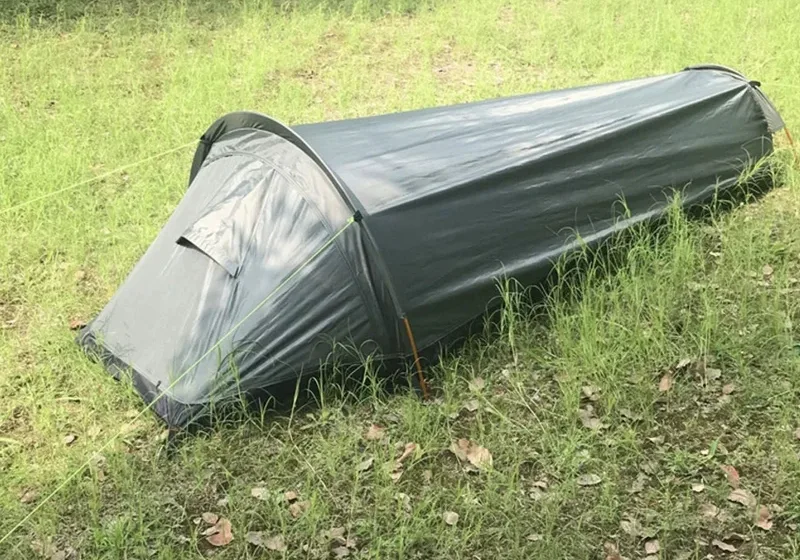
Shelter: Your Base for the Night
Your shelter is your anchor point during an overnight birding trip. It’s where you reset, rest, and prepare for the most important birding moments of the day—early morning and sunrise.
For most people, a lightweight tent is the simplest and most effective option. It should be quick to set up, weather-resistant, and compact enough to carry without effort. Complexity is your enemy here. The longer it takes to set up, the more energy you lose before you even start birding.
If you prefer a more flexible approach, especially for multi-location trips, vehicle-based sleeping setups can be extremely effective. They allow you to stay mobile, adjust to bird activity patterns, and avoid the hassle of campsite logistics.
The real goal is not comfort in the luxury sense—it’s recovery. You want a space that allows your body to rest and recharge so you can wake up sharp and ready.
Ventilation, insulation, and ease of entry/exit matter more than fancy features. You’ll appreciate simplicity when you’re setting up in fading light or waking up before sunrise.
A good shelter should feel invisible once it’s working. It’s just there, doing its job, while you focus on what really matters: the birds.
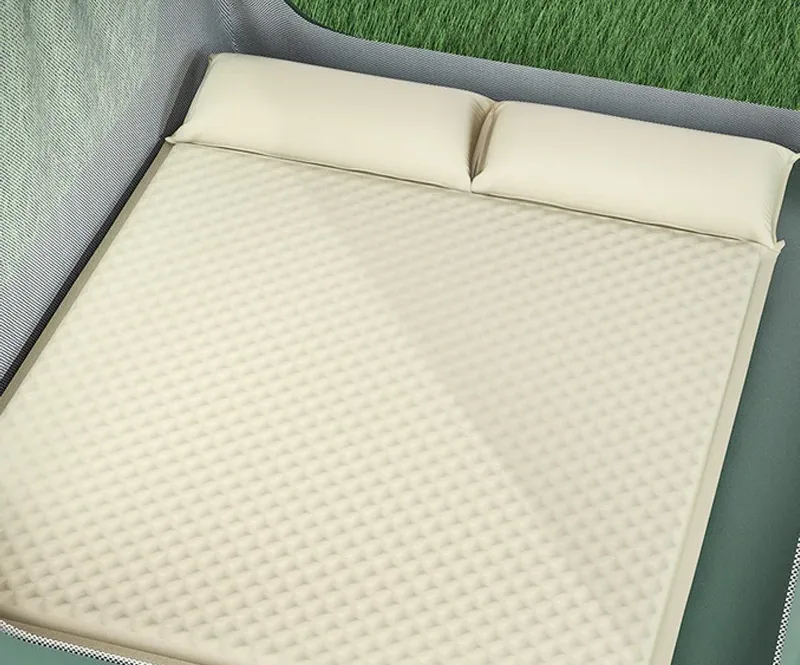
Sleep System: Rest Is Strategy
Sleep is often overlooked in birding, but it directly affects your performance in the field.
If you’re tired, your attention drops. You miss calls. You overlook movement. You lose patience faster.
That’s why your sleep system is not just about comfort—it’s about strategy.
At the core, you need three things: insulation, support, and temperature control.
A sleeping bag appropriate for the season keeps your body warm through the night. But insulation from below is just as important. The ground can drain heat faster than most people expect, especially in early spring or autumn conditions.
This is where a sleeping pad or inflatable mattress becomes essential. It creates a barrier between you and the cold surface, while also improving comfort significantly.
Comfort matters more than people think. Better sleep leads to better focus, and better focus leads to better birding.
Pillows, extra layers, and small comfort adjustments can also make a noticeable difference. The goal isn’t luxury—it’s consistent, uninterrupted rest.
When your sleep system works properly, you wake up before sunrise feeling ready, not recovering. That’s where the real advantage begins.
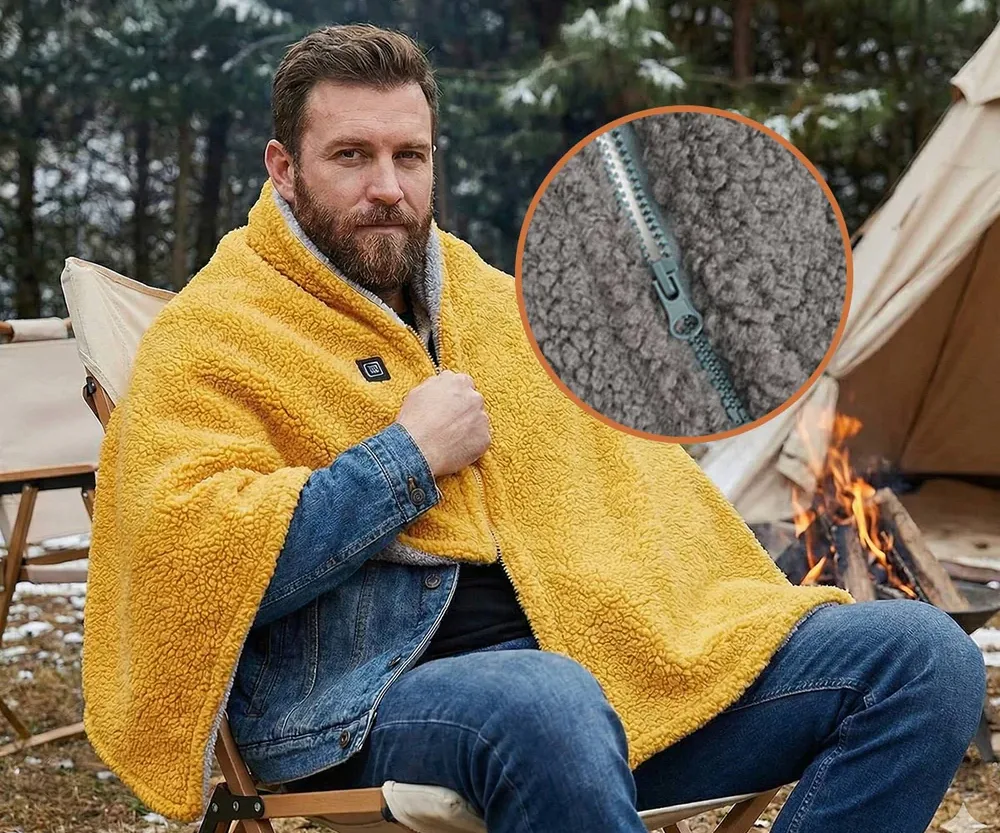
Clothing: Layering for Changing Conditions
One of the most underestimated parts of overnight birding is how quickly conditions change.
A warm afternoon can turn into a cold, damp night. And early mornings often feel colder than expected, especially when you’re stationary for long periods of observation.
That’s why layering is essential.
A proper system includes a base layer that manages moisture, a mid-layer for insulation, and an outer heated blanket that protects against cold. This gives you flexibility to adjust throughout the trip without carrying unnecessary bulk.
Neutral colors are also important. Bright clothing can disturb wildlife and make you more noticeable in sensitive environments.
Another key factor is mobility. Your clothing should allow you to move quietly and comfortably. Birding often involves standing still for long periods, so overheating or stiff clothing can become a real issue.
Good clothing doesn’t draw attention to itself. It simply allows you to stay comfortable across changing conditions so your focus stays on the environment—not your discomfort.
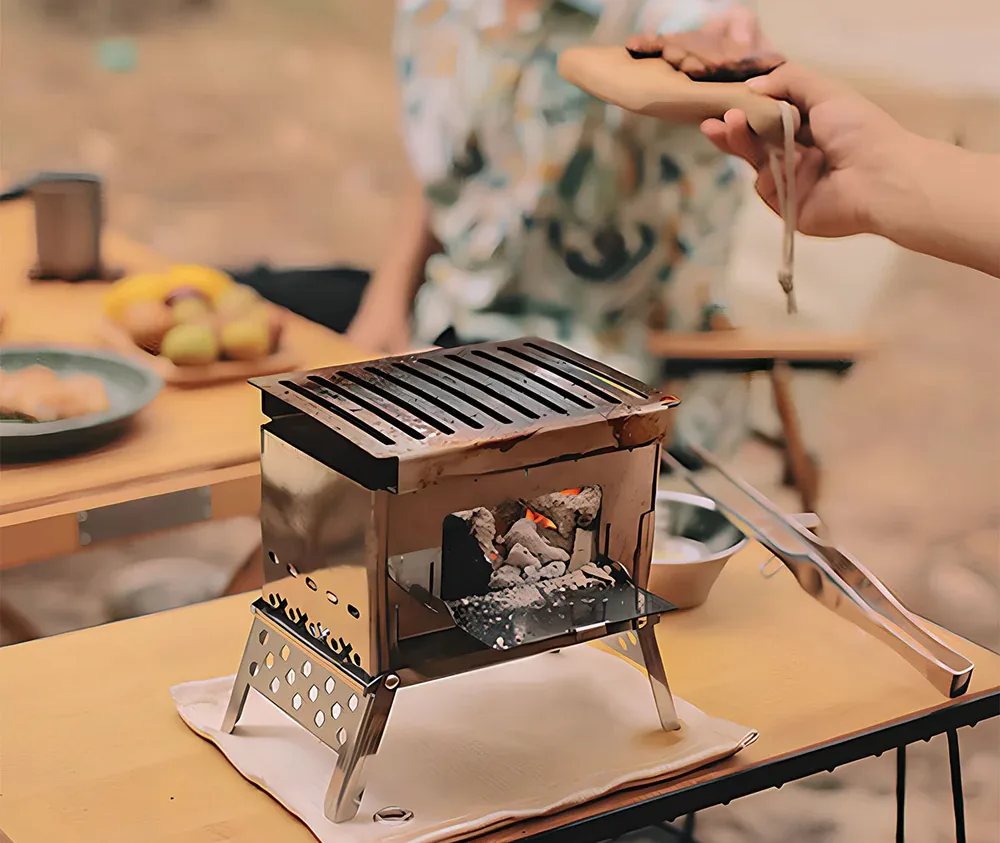
Cooking & Food: Keep It Simple
Food on overnight birding trips should support your energy—not distract from your experience.
This is not the time for complicated cooking setups or long preparation routines. The more time you spend managing meals, the less time you spend observing birds.
A compact stove can be useful for warm drinks or simple meals, especially in the early morning when temperatures are low and energy is needed quickly. The key is reliability and speed, not culinary complexity.
Food should be lightweight, high-energy, and easy to access. Think in terms of function:
- quick calories
- steady energy
- minimal preparation
Trail mixes, energy bars, nuts, and simple dehydrated meals are ideal. They require no effort and keep you fueled throughout the day.
Hydration is equally important. Always bring more water than you think you’ll need, or ensure you have a reliable way to filter natural sources if available.
The goal is simple: eat quickly, refuel efficiently, and get back to observing.
Birding Essentials: The Core of Your Trip
At the heart of every overnight birding trip is your actual birding setup.
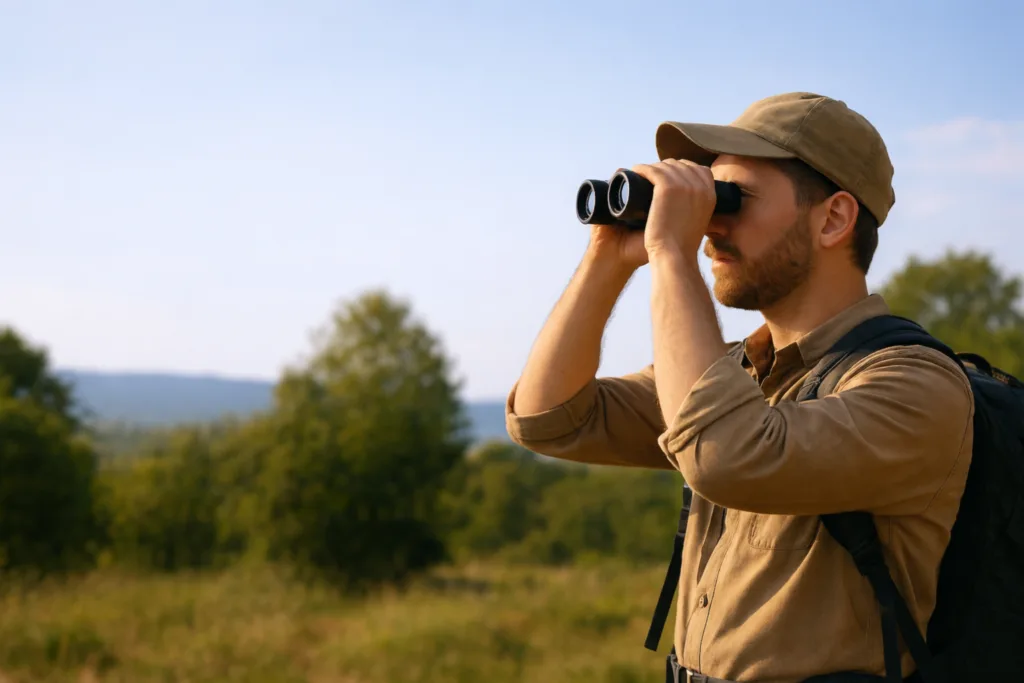
Binoculars are your most important tool. The ideal pair balances clarity, weight, and comfort. You’ll be using them constantly, so even small differences in ergonomics matter over time.
A field guide or birding app helps with fast identification. Apps are convenient in the field, but having a backup system ensures you’re never stuck without reference material.
Note-taking is often overlooked but incredibly powerful. Whether you use a notebook or voice recordings, capturing observations in real time helps you build a long-term understanding of behavior patterns and species movement.
For more advanced birders, a camera or spotting scope can add depth, but they should never slow you down. Every piece of gear should support your observation—not distract from it.
The best birding setups are lightweight, intuitive, and always ready to use.
Lighting & Navigation: Staying Safe and Aware
When you’re out overnight, lighting becomes essential—but it should be used with intention.
A headlamp is the most practical option because it keeps your hands free and provides controlled visibility. Red light modes are especially useful because they preserve night vision and minimize disturbance to wildlife.
Lighting should help you move safely, not turn night into day. Overuse of bright light can disrupt both your experience and the natural environment.
Navigation is equally important. Even familiar areas can feel completely different in low light or early morning fog.
A GPS app or offline map provides a simple safety net. It’s not about fear—it’s about confidence. When you know where you are at all times, you can focus fully on birding instead of worrying about direction.
Preparedness here creates freedom elsewhere.
Packing Strategy: Less But Better
Packing for overnight birding is where everything comes together.
The key principle is simplicity.
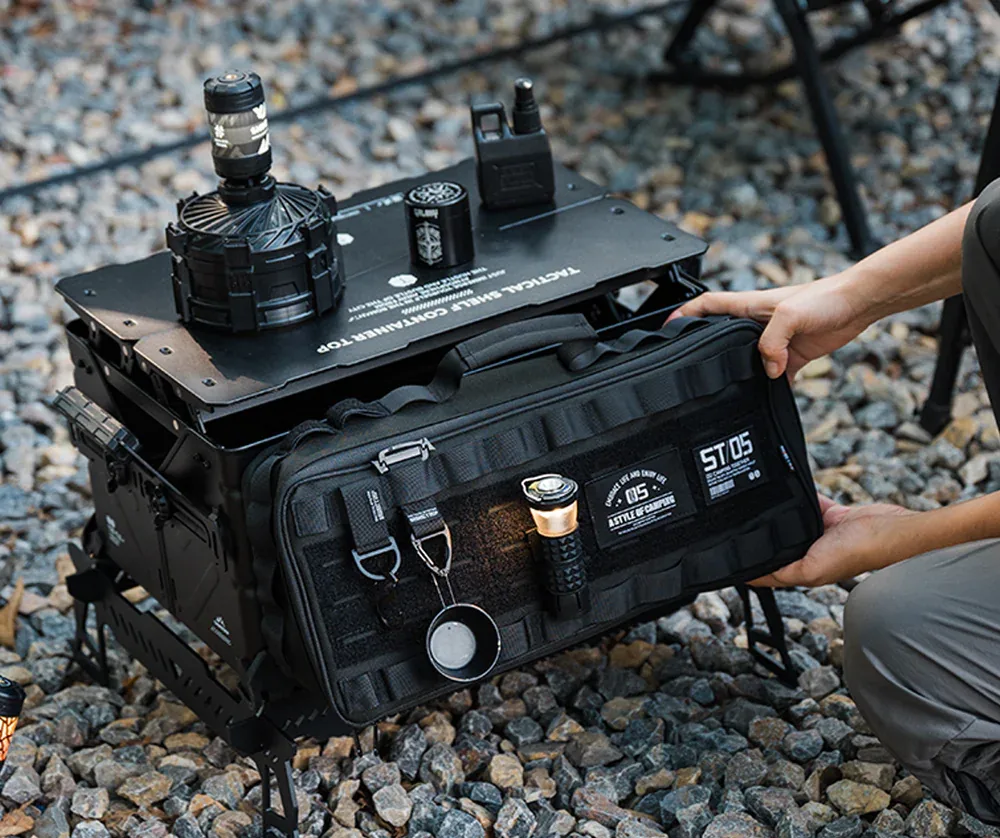
Start with your core systems: shelter, sleep, clothing, food, and birding tools. Then evaluate every additional item against one question: does this improve my experience in the field?
If it doesn’t, it stays behind.
A well-packed bag is balanced, organized, and easy to access. You should never feel like you’re digging through unnecessary gear to find what you need.
This approach doesn’t just reduce weight—it reduces mental load. And when your mind is clear, your observation skills improve naturally.
Less gear often leads to better birding.
Final Thoughts: What I Learned Over Time
Looking back at my first overnight birding trips, I realize I made things harder than they needed to be.
I packed too much, tried to prepare for every possible situation, and ended up spending more time managing gear than actually enjoying the experience. It felt like I was carrying my entire setup instead of letting it support me.
But with each trip, I started simplifying.
There’s no perfect overnight birding setup from day one.
It evolves with experience.
Each trip teaches you something valuable—what you used, what you didn’t, and what would have made things easier. Over time, you naturally refine your system into something efficient, lightweight, and highly personal.
The goal isn’t to copy someone else’s setup. It’s to build your own system that matches your style of birding.
And once that happens, overnight trips stop feeling like “logistics-heavy outings” and start feeling like effortless immersion in nature.
That’s where the real magic is.
Not in the gear itself—but in what the gear allows you to experience.
FAQ: Overnight Birding Trips & Gear
What gear do I actually need for an overnight birding trip?
At minimum, you need a simple shelter, a reliable sleep system, appropriate layered clothing, basic food and water, and your birding essentials like binoculars and a field guide. The key is not to overpack—focus on gear that helps you stay comfortable, rested, and ready for early morning bird activity. A lightweight and efficient setup will always outperform a heavy, complicated one.
Is overnight birding worth it compared to day trips?
Yes—if you want a deeper and more productive experience. Overnight birding allows you to be on location during the most active times, especially early morning. It also gives you a chance to observe behavioral patterns, listen to nocturnal species, and avoid the rush and noise of travel. Many birders find that they see more species and have a more immersive experience compared to short visits.
What is the best sleep setup for birdwatching trips?
The best sleep setup is one that balances comfort and simplicity. A good sleeping bag combined with an insulating layer like an inflatable mattress or sleeping pad can make a huge difference. Quality sleep directly impacts your focus and energy levels, so it’s worth investing in a setup that allows you to rest properly, especially before early morning birding sessions.
Do I need a tent for overnight birding?
Not necessarily. A tent is the most common option and provides reliable protection from weather and insects. However, some birders prefer vehicle-based setups for flexibility and faster movement between locations. The best choice depends on your style of birding, location, and how mobile you want to be during your trip.
What should I eat on an overnight birding trip?
Keep it simple and functional. Choose lightweight, high-energy foods like trail mix, energy bars, and easy-to-prepare meals. If you bring a compact stove, you can prepare warm drinks or simple meals, which can be especially helpful in the early morning. The goal is to spend less time cooking and more time observing.
How do I stay warm during early morning birding?
Layering is key. Use a moisture-wicking base layer, an insulating mid-layer, and a windproof outer layer. Even in mild conditions, early mornings can feel cold, especially when you’re standing still. Staying warm helps you remain focused and comfortable, which improves your overall birding experience.
What’s the biggest mistake beginners make?
Overpacking.
Many beginners bring too much gear “just in case,” which leads to unnecessary weight and complexity. This can make the trip more stressful and reduce mobility. A better approach is to start with the essentials and refine your setup over time based on real experience.
Can beginners go on overnight birding trips?
Absolutely. You don’t need advanced experience to start. In fact, overnight trips can accelerate your learning because you spend more time observing nature in different conditions. Start simple, choose an easy location, and focus on building confidence with each trip.
Note: This article contains affiliate links, which means I may earn a commission if you make a purchase through my links, at no additional cost to you. I only recommend products that I’ve researched or believe will provide value to readers who enjoy birdwatching and outdoor adventures. Your support helps keep GoToBirding.com running and allows me to continue creating helpful content like this.
Lorand Vigh is a nature conservation professional and lifelong birder based in Serbia (Vojvodina). With over 30 years of field experience in birdwatching, habitat protection, and conservation management, he has worked on bird monitoring projects, habitat restoration initiatives, and cross-border conservation cooperation. GoToBirding is a personal project built on real field experience, sharing practical, science-based advice for birders and wildlife photographers.