

Every year on April 22, millions of people around the world pause—at least for a moment—to reflect on the planet we all share. The has become one of the most widely recognized environmental events globally, but despite its popularity, many people still treat it as just another symbolic occasion. A post on social media, a beautiful landscape photo, maybe even a promise to “do better.”
But if you spend any real time in nature—as a birder, photographer, or outdoor enthusiast—you start to feel that Earth Day carries a deeper meaning. It becomes less about awareness and more about responsibility. Not in an overwhelming or guilt-driven way, but in a grounded, personal sense of connection.
For me, and likely for you as well, nature is not just a backdrop. It’s not something we occasionally visit—it’s something we return to again and again because it offers something we don’t find elsewhere. Silence. Clarity. Perspective. And perhaps most importantly, a reminder that we are part of something much larger.
That’s why Earth Day matters.
Not because it demands perfection. Not because it expects dramatic change overnight. But because it gives us a reason to pause and ask a simple question:
What role do I play in protecting what I love?
This article is not about activism in the traditional sense. It’s about practical awareness. About the small but meaningful choices we make—especially when it comes to how we experience the outdoors. And surprisingly, one of the biggest factors in that equation is something we often overlook:
Energy.
Why Earth Day Feels More Urgent in 2026
In recent years, the conversation around climate change, habitat loss, and environmental sustainability has shifted from distant concern to immediate reality. These are no longer abstract issues discussed only by scientists or policymakers. They are visible, tangible, and increasingly impossible to ignore—especially if you spend time outdoors.
Birdwatchers often notice these changes first.
Migration patterns shift. Species appear earlier or later than expected. Some birds become rarer in areas where they were once common. Wetlands shrink. Forest edges move. Even subtle changes—like fewer insects or altered vegetation—begin to tell a story that’s difficult to ignore.
By 2026, the urgency surrounding these issues has only grown stronger. But what has also evolved is our understanding of how individual behavior contributes to larger environmental outcomes. It’s no longer just about large-scale industry or government policy—although those remain critical—it’s also about daily decisions.
How we travel.
What we buy.
How we consume energy.
And this is where Earth Day becomes especially relevant.
Because it serves as a reminder that awareness without action doesn’t create change. But action doesn’t have to be dramatic to be meaningful. In fact, the most sustainable changes are often the smallest and most consistent ones.
For outdoor enthusiasts, this creates an interesting challenge:
How do we continue exploring, photographing, and experiencing nature—often using advanced technology—while minimizing our impact?
The answer isn’t to abandon technology.
It’s to rethink how we power it.
A Personal Moment That Changed My Perspective
There was a morning a few years ago that quietly reshaped how I think about nature—and my role in it.
I was out early, before sunrise, in a location I had visited many times before. It was one of those places where the soundscape used to be almost overwhelming in the best possible way—layers of bird calls, rustling leaves, distant water, everything alive and in motion.
But that morning felt different.
Not silent, but noticeably quieter.
At first, I dismissed it. Maybe the weather conditions were slightly off. Maybe I was just too early. But as the light came up and time passed, that feeling didn’t go away. Something was missing.
Later, I compared notes and photos from previous visits. Slowly, a pattern emerged. Fewer sightings. Less activity. Subtle, but consistent.
That experience didn’t turn me into an activist overnight. But it did something more important: it made the issue personal.
Because when change happens in a place you know, it stops being theoretical.
It becomes real.
And that’s when I started paying more attention—not just to what was happening in nature, but to how I was interacting with it. The gear I used. The energy I consumed. The footprint I left behind, even unintentionally.
That’s when I realized something I hadn’t thought much about before:
Even the tools we bring into nature—our cameras, devices, and accessories—have an environmental story.
The Overlooked Connection Between Nature and Energy Use
If you asked most people what affects the environment, they would likely mention plastic waste, deforestation, or pollution. Fewer would immediately point to personal energy consumption—especially in the context of outdoor activities.
But the connection is stronger than it seems.
Modern outdoor experiences are increasingly powered by technology. Whether you’re a birder using apps to identify species, a photographer shooting in RAW with high-end mirrorless cameras, or a camper relying on portable lighting and refrigeration—energy is at the center of it all.
And that energy has to come from somewhere.
Traditionally, this has meant:
- Charging devices from grid electricity (often fossil-fuel dependent)
- Using car chargers during travel
- Relying on noisy, fuel-powered generators in remote locations
None of these options align particularly well with the idea of preserving the natural environment we’re there to enjoy.
This creates a subtle contradiction.
We go into nature to connect with it…
but rely on systems that may contribute to its degradation.
The good news is that this is changing.
Advances in portable energy technology have made it possible to rethink how we power our outdoor experiences. Instead of relying solely on traditional sources, we now have access to cleaner, quieter, and more sustainable alternatives.
And this is where solutions like start to make sense—not as luxury gadgets, but as tools that align better with the values many outdoor enthusiasts already hold.
Rethinking Power in the Outdoors: A Practical Shift
The first time I seriously considered using a portable power station, I’ll admit—I was skeptical.
It felt unnecessary.
After all, people have been camping, birdwatching, and exploring nature long before portable energy systems existed. Why complicate things?
But the more I thought about it, the more I realized that the question wasn’t whether I needed power.
It was whether I could use it more intelligently.
Because the reality is, most of us already rely on energy when we’re outdoors. The difference is how that energy is delivered.
Using a modern portable power solution—especially one that supports solar input—completely changes the equation.
Instead of:
- Searching for outlets
- Running a car engine to charge devices
- Limiting your time due to battery constraints
You gain:
- Independence
- Flexibility
- And a more sustainable way to stay powered
With systems like those from , the shift isn’t just about convenience. It’s about alignment.
Alignment between your love for nature and the way you interact with it.
Because when your power source becomes cleaner, quieter, and renewable, something subtle changes.
You stop feeling like you’re borrowing from the environment…
and start feeling like you’re working with it.
Real-World Use Cases for Birders and Outdoor Creators
One of the most interesting things about integrating portable power into outdoor activities is how quickly it shifts from “nice to have” to “hard to imagine going without.”
For birders, the benefits are immediate.
Long observation sessions often require continuous use of smartphones for apps, note-taking, and GPS tracking. Add a camera, possibly a spotting scope with digital attachments, and suddenly battery life becomes a limiting factor. A reliable portable power source removes that limitation entirely, allowing you to stay longer and focus more on the experience.
For wildlife photographers, the impact is even greater.
Capturing the perfect moment often means waiting—sometimes for hours, sometimes across multiple days. Continuous shooting, image review, and backup storage all require energy. With a portable power system, you can recharge batteries in the field, power a laptop for editing, or even run accessories like external monitors.
Campers and overlanders also benefit in practical ways.
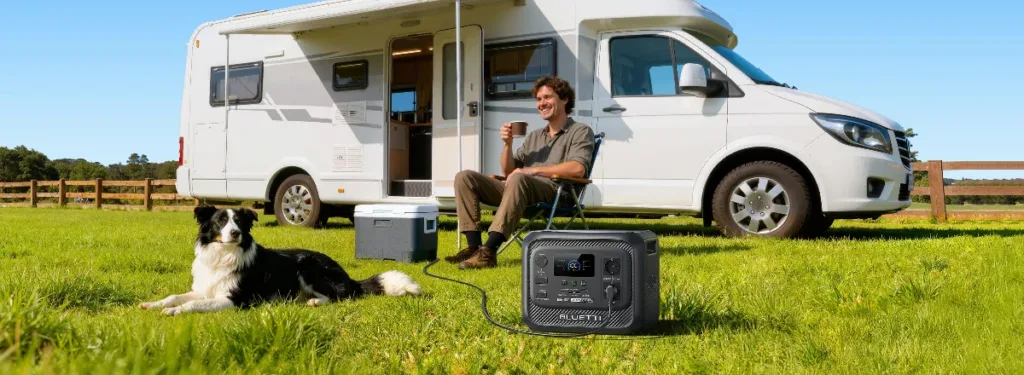
Lighting, small cooking devices, portable refrigerators, and communication tools all become easier to manage without relying on traditional fuel-based solutions. The experience becomes quieter, cleaner, and more immersive.
What stands out most, however, is not just the functionality.
It’s the feeling of confidence.
Knowing that your setup is self-sufficient.
Knowing that you’re not dependent on external infrastructure.
And knowing that your presence in nature is lighter—both physically and environmentally.
That’s where solutions like truly find their place.
Earth Day as a Starting Point, Not a Finish Line
One of the most common misconceptions about Earth Day is that it’s an endpoint—a day to “do something good” and then move on.
In reality, it works best as a starting point.
A moment to reflect, reset, and possibly redirect.
Because meaningful change rarely comes from one big decision. It comes from a series of smaller ones, repeated over time. Choosing reusable gear. Reducing waste. Being more intentional about travel. And yes—rethinking how we use and generate energy.
The goal is not to become perfect.
The goal is to become more aware.
And awareness naturally leads to better decisions.
For outdoor enthusiasts, this often means asking simple but powerful questions:
- Do I really need this?
- Is there a more sustainable option?
- How does this choice affect the places I care about?
When you start thinking this way, even small adjustments begin to feel significant.
Switching to a cleaner energy source for your outdoor setup may seem like a minor change. But multiplied over time—and across thousands of people—it becomes something much larger.
That’s the real power of Earth Day.
Not the visibility.
But the momentum it creates.
The Future: Where Technology and Nature Meet
There’s a common narrative that technology and nature are inherently opposed. That the more advanced our tools become, the further we drift from the natural world.
But that perspective is starting to change.
When used thoughtfully, technology can actually enhance our connection to nature—making it easier to explore, understand, and protect.
High-resolution cameras allow us to document wildlife behavior in incredible detail. Apps help identify species instantly. GPS tools make remote exploration safer. And clean energy solutions enable us to stay longer in nature without increasing our impact.
The key is not rejecting technology.
It’s choosing the right kind.
Technology that supports sustainability.
Technology that reduces harm.
Technology that aligns with the reasons we go outdoors in the first place.
In this context, companies like represent more than just a product category. They represent a shift in mindset.
From consumption to intention.
From dependency to independence.
From impact to balance.
And that shift is exactly what Earth Day is trying to inspire.
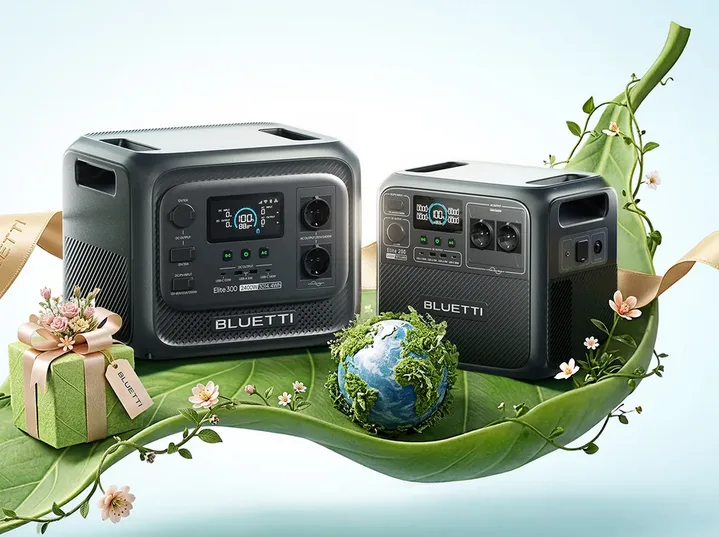
BLUETTI Earth Day Deals: A Smart Time to Upgrade Your Power Setup
If you’ve been thinking about upgrading your outdoor gear, Earth Day season is one of the best times to do it—especially when it comes to energy solutions. The official BLUETTI discount page regularly features limited-time offers that align perfectly with spring adventures, birding trips, and off-grid travel.
What makes these deals stand out is not just the price reduction, but the value behind them. Instead of basic discounts, you’ll often find complete bundles that include portable power stations paired with solar panels or fast chargers. This means you’re not just buying a device—you’re investing in a full, ready-to-use energy system that can support you in the field from day one.
For birders, photographers, and campers, this is especially relevant. Spring and early summer are peak seasons for outdoor activity, and having reliable, portable energy can make a noticeable difference. Whether it’s charging camera batteries, powering your phone for birding apps, or running small accessories, a dependable power station removes limitations and allows you to stay focused on the experience.
Another advantage is timing. Earth Day promotions are often part of broader seasonal campaigns, meaning some of the best deals appear right when people are preparing for outdoor travel. If you’ve been waiting for the right moment to invest, this period offers a balance between affordability and availability that’s hard to match later in the year.
More Than a Discount: Investing in Cleaner Outdoor Energy
While saving money is always a bonus, these Earth Day deals represent something bigger—an opportunity to rethink how you use energy outdoors. Traditional solutions often rely on grid charging or even fuel-based generators, which don’t exactly align with the idea of protecting the environments we enjoy.
Switching to a portable power system—especially one that supports solar input—offers a more sustainable alternative. With BLUETTI, you can generate and store energy in a cleaner, quieter way, reducing both noise and environmental impact during your trips. That means no generator hum in the background, no fumes, and a more immersive experience overall.
For many outdoor enthusiasts, this shift feels natural. If you already care about minimizing your footprint, reducing waste, and respecting wildlife, your energy source becomes part of that mindset. Over time, even small changes—like using solar to recharge your gear—can add up to a meaningful difference.
Earth Day is ultimately about awareness turning into action. Choosing a more sustainable energy setup may seem like a small step, but it’s one that continues to make an impact long after April 22 has passed.
Final Thoughts: Small Choices, Real Impact
If there’s one idea worth carrying beyond Earth Day, it’s this:
You don’t need to change everything to make a difference.
You don’t need to be perfect.
You don’t need to have all the answers.
You don’t need to overhaul your entire lifestyle overnight.
What matters is direction.
Choosing to be slightly more mindful today than you were yesterday.
Choosing options that align more closely with your values.
Choosing to protect what you genuinely care about.
For those of us who spend time in nature—watching birds, capturing landscapes, or simply enjoying the quiet—that connection is already there.
The next step is acting on it.
Sometimes that action is as simple as rethinking how we power our experiences.
And sometimes, that’s where the journey begins—with solutions like , or with any decision that brings you closer to a more sustainable way of exploring the world.
Because in the end, Earth Day isn’t about one day.
It’s about everything that comes after it.
FAQ: Earth Day, Energy, and Outdoor Sustainability
What is Earth Day and why is it important?
Earth Day is a global event celebrated every April 22, focused on raising awareness about environmental issues and encouraging action to protect the planet.
How does energy use affect nature?
Energy production—especially from fossil fuels—contributes to pollution and climate change, which directly impact ecosystems and wildlife.
Are portable power stations environmentally friendly?
They can be, especially when paired with solar panels. They reduce reliance on fossil fuels and provide a cleaner alternative for outdoor energy needs.
Why consider BLUETTI products for outdoor use?
BLUETTI focuses on portable, renewable energy solutions that align well with sustainable outdoor lifestyles, offering both convenience and reduced environmental impact.

Lorand Vigh is a nature conservation professional and lifelong birder based in Serbia (Vojvodina). With over 30 years of field experience in birdwatching, habitat protection, and conservation management, he has worked on bird monitoring projects, habitat restoration initiatives, and cross-border conservation cooperation. GoToBirding is a personal project built on real field experience, sharing practical, science-based advice for birders and wildlife photographers.