

Bird watching—often lovingly called birding—is far more than just a casual pastime; it’s a deeply immersive way to reconnect with the natural world and experience moments of quiet wonder that are increasingly rare in our fast-paced lives. Whether you’re standing in a misty forest at dawn, scanning coastal cliffs battered by waves, or simply observing a backyard feeder, birding invites you to slow down and truly see what’s around you. It sharpens your senses, rewards patience, and transforms even the most ordinary landscapes into places filled with life, movement, and meaning.
What makes birding so captivating is the incredible diversity of birds themselves. Across every continent, from tropical rainforests to frozen tundras, birds display an astonishing range of colors, shapes, behaviors, and songs. Some species dazzle with vibrant plumage that seems almost unreal, while others impress with their subtle elegance and camouflage. Their songs and calls create natural soundscapes that shift with the seasons, turning each outing into a unique sensory experience. Over time, bird watchers often find themselves recognizing patterns—migration cycles, feeding habits, nesting behaviors—which deepens their connection to the ecosystems they explore.
Another part of birding’s charm lies in its accessibility. You don’t need to travel far or invest heavily to begin; a simple pair of binoculars and a bit of curiosity can open the door. Yet for many enthusiasts, that initial curiosity quickly grows into a passion for exploration. Birders often travel across countries—or even continents—in search of rare or iconic species, turning their hobby into a gateway for adventure, cultural discovery, and environmental awareness.
In This Post…
In this blog post, we’ll take you on a virtual journey to five of the world’s most remarkable bird-watching destinations. Each location offers something unique—whether it’s extraordinary biodiversity, dramatic landscapes, or the chance to spot species found nowhere else on Earth. Along the way, you’ll discover not just where to go, but why these places matter, what makes them special, and how they can inspire your own birding adventures.
1. Costa Rica – A Birding Paradise
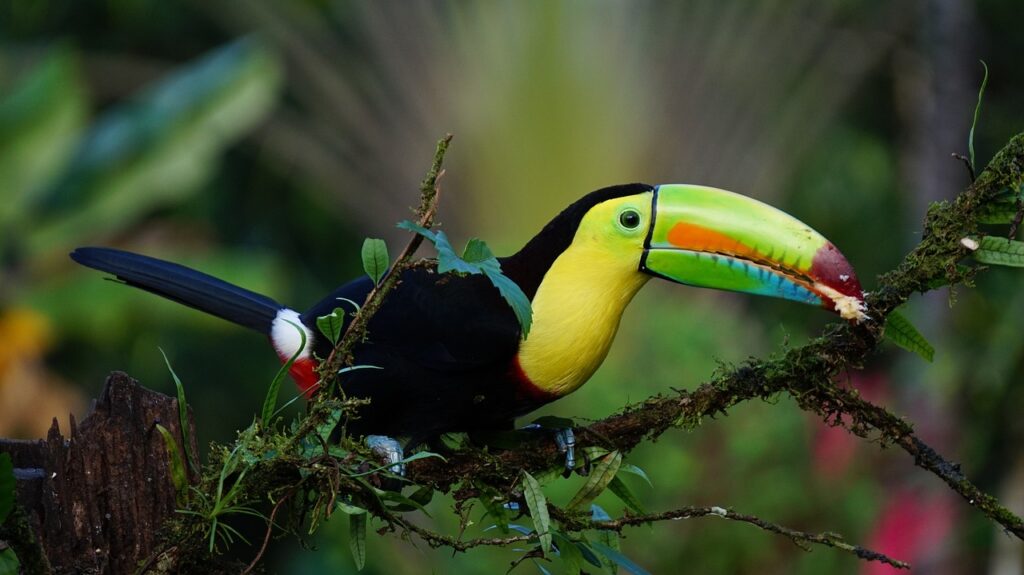
Known as the “Rich Coast,” Costa Rica truly lives up to its name when it comes to biodiversity. Despite its relatively small size, this Central American gem hosts over 900 bird species—more than the entire United States and Canada combined. For birders, that’s not just impressive—it’s extraordinary. From lush rainforests and misty cloud forests to mangroves and coastal wetlands, the country’s diverse ecosystems create ideal conditions for a staggering variety of birdlife.
Among the most sought-after species are the iconic Resplendent Quetzal, known for its iridescent green plumage and long tail feathers, and the vibrant Scarlet Macaw, often seen flying in pairs over the canopy. Toucans, motmots, hummingbirds, and tanagers add even more color and character to every birding outing. What makes birding here especially rewarding is the sheer frequency of sightings—you don’t have to search for hours to experience something remarkable.
Top Birding Locations
One of the standout destinations is the Monteverde Cloud Forest Reserve, where cool, misty conditions support a unique ecosystem filled with highland specialties. Here, birders often wake before sunrise to catch glimpses of quetzals feeding on wild avocados, while mixed-species flocks move through the canopy in a constant, lively display.
Further south, the Osa Peninsula is widely regarded as one of the most biologically intense places on Earth. Home to the famous Corcovado National Park, this region offers the chance to see rare and endemic species in pristine rainforest conditions. Birders visiting the Osa Peninsula may encounter the elusive Baird’s Trogon or flocks of Scarlet Macaw soaring overhead—an unforgettable sight against the emerald canopy.
On the Caribbean side, Tortuguero National Park offers a completely different birding experience. Often referred to as the “Amazon of Costa Rica,” this remote network of canals and wetlands is best explored by boat. As you glide through calm waterways, you’ll encounter species like herons, kingfishers, jacanas, and the striking Green Ibis. The dense vegetation and constant sounds of wildlife make every excursion feel immersive and alive.
Tortuguero National Park
Tortuguero National Park is a protected wilderness area on Costa Rica’s northern Caribbean coast in Limón Province. It is internationally recognized for its rich biodiversity and as one of the world’s most important nesting sites for endangered sea turtles. The park’s network of rivers, lagoons, and rainforests attracts ecotourists and scientists alike.

Key facts
- Established: 1975
- Area: About 312 square kilometers (120 square miles)
- Governing body: National System of Conservation Areas (SINAC)
- Primary access: Boat or small aircraft only
- Notable wildlife: Green sea turtles, jaguars, manatees, and over 400 bird species
Geography and ecosystems
Tortuguero lies between the Caribbean Sea and extensive inland wetlands. The park encompasses tropical rainforests, beaches, canals, and mangroves. Heavy rainfall and an intricate waterway system define its landscape, earning it the nickname “Costa Rica’s Amazon.” The region’s isolation has helped preserve a broad range of flora and fauna, including many endemic species.
Wildlife and conservation

Tortuguero is best known for the annual nesting of Green sea turtles (Chelonia mydas) from July to October. Leatherback and hawksbill turtles also nest here seasonally. Conservation programs managed by the Caribbean Conservation Corporation and SINAC protect turtle populations through research and sustainable tourism. The park’s forests shelter tapirs, sloths, monkeys, and diverse reptile and bird species.
Tourism and access
Visitors typically reach Tortuguero via boat from La Pavona or by small plane from San José. Guided canal tours and nighttime beach walks are popular activities. The nearby village of Tortuguero provides limited accommodations and functions as a gateway for eco-lodges and research centers. Tourism is closely regulated to maintain environmental balance.
Significance
Tortuguero National Park exemplifies Costa Rica’s commitment to conservation and sustainable tourism. It is a critical habitat for marine and terrestrial biodiversity and a model for community-based ecotourism that balances economic benefit with environmental stewardship.
The Value of Local Guides
While it’s possible to explore independently, hiring a local birding guide in Costa Rica can elevate your experience dramatically. These experts not only know exactly where to find specific species, but they can also identify birds by call—something especially valuable in dense forests where visibility is limited. Many guides carry spotting scopes and share insights about behavior, habitat, and conservation, turning a simple walk into an educational journey.
Additionally, guides help maximize your time by navigating trails efficiently and adapting plans based on weather and bird activity. For first-time visitors especially, this can mean the difference between a good trip and an exceptional one.
Planning Your Birding Trip
For those looking to plan a birding adventure, resources like birdingincostarica.com are incredibly useful. This platform provides detailed descriptions of top birding locations, highlights key species to watch for, and offers practical advice tailored to both beginners and experienced birders.
The site also includes up-to-date information on local guides, eco-lodges, and transportation options, helping you organize your itinerary with confidence. You’ll find trip reports from fellow birders, photo galleries for inspiration, and the latest birding news from across the country. Whether you’re chasing your first quetzal or building a life list, having reliable, experience-based information at your fingertips can make all the difference.
Why Costa Rica Stands Out
What truly sets Costa Rica apart is its commitment to conservation. Over 25% of the country is protected land, ensuring that bird habitats remain intact and thriving. Combined with a well-developed eco-tourism infrastructure, this makes Costa Rica one of the most accessible and rewarding birding destinations in the world.
Whether you’re exploring cloud forests shrouded in mist, drifting through jungle canals, or hiking remote rainforest trails, birding in Costa Rica offers a sense of discovery that few places can match. It’s not just about the number of species—it’s about the richness of the experience, the ease of access, and the feeling that around every corner, something extraordinary is waiting to be seen.
2. Kenya – Where Birding Meets the Wild
In East Africa, Kenya stands out as one of the most thrilling bird-watching destinations on the planet. With over 1,100 recorded bird species, the country offers an astonishing variety that rivals some of the richest ecosystems in the world. What makes Kenya especially unique is the way birding blends seamlessly with classic African safari experiences—meaning you’re just as likely to spot a rare bird as you are a lion or elephant on the same outing.
Kenya’s landscapes are incredibly diverse, ranging from open savannahs and acacia woodlands to highland forests, wetlands, and alkaline lakes. This variety creates ideal habitats for both resident and migratory birds, making it a year-round destination for birders. Among the most iconic species is the brilliantly colored Lilac-breasted Roller, often seen perched on branches scanning for insects, and the powerful African Fish Eagle, whose unmistakable call echoes across lakes and rivers.
Top Birding Locations
The legendary Maasai Mara National Reserve is world-famous for its wildlife, but it’s also a fantastic birding destination. With over 450 species recorded, the reserve offers everything from raptors and vultures to colorful bee-eaters and hornbills. Birders visiting during the Great Migration season are treated to an even more dynamic environment, where birdlife thrives alongside massive herds of wildebeest and zebra.
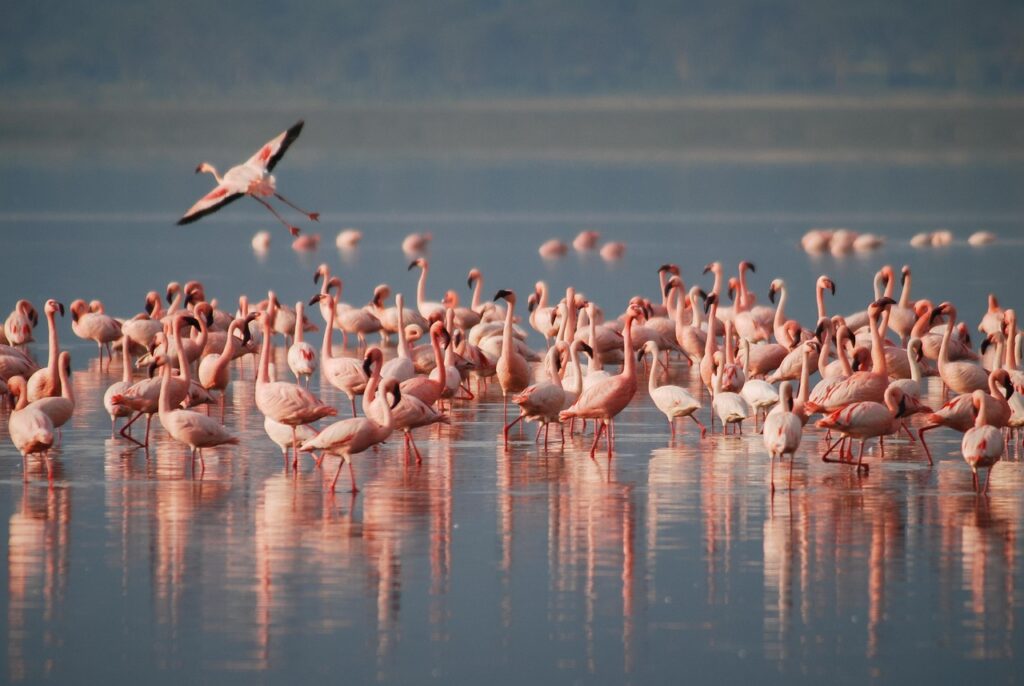
Another must-visit region is the Great Rift Valley, which cuts dramatically through Kenya and hosts a chain of lakes that are birding hotspots. Among them, Lake Nakuru National Park is especially famous for its flamingo populations. At times, thousands—sometimes millions—of Lesser Flamingo gather along the lake’s shores, creating a breathtaking pink spectacle that’s visible from miles away.
Beyond the Big Names
While the Maasai Mara and Rift Valley lakes are headline destinations, Kenya offers countless lesser-known birding gems. Highland forests such as those around Mount Kenya, coastal regions near Mombasa, and wetlands like Lake Naivasha all provide unique birding opportunities. Each habitat introduces a different mix of species, from sunbirds and turacos in forested areas to pelicans and cormorants along the lakes.
This diversity means that no two birding days feel the same. One morning might be spent tracking elusive forest species, while the afternoon could bring sightings of large birds of prey soaring above open plains.
Guided Safaris and Local Expertise
One of the biggest advantages of birding in Kenya is the availability of experienced local guides and tour operators. Many safari companies offer specialized birding tours led by experts who understand both avian behavior and the broader ecosystem. These guides are skilled at spotting even the most well-camouflaged species and can identify birds by their calls, habitats, and subtle field marks.
Birding safaris also provide logistical ease—transportation, accommodation, and park access are all handled for you—allowing you to focus entirely on the experience. And unlike traditional birding trips, these safaris often include encounters with Africa’s “Big Five,” adding an extra layer of excitement to your journey.
Planning Your Trip
For those planning a birding adventure, birdwatchinginkenya.com is an excellent starting point. This highly regarded resource offers detailed insights into Kenya’s top birding destinations, including national parks, reserves, and key regions known for exceptional birdlife.
The site provides in-depth descriptions of each location, highlights must-see species, and offers guidance on the best times to visit—particularly important for catching migratory birds or seasonal gatherings like flamingo flocks. You’ll also find practical tips on accommodations, travel logistics, and recommended tour operators, making it easier to plan a smooth and rewarding trip.
Why Kenya Stands Out
What sets Kenya apart is the sheer scale and drama of the experience. Birding here isn’t confined to quiet trails—it unfolds across vast landscapes teeming with life. The combination of incredible bird diversity, iconic wildlife, and breathtaking scenery creates a sense of adventure that’s hard to match anywhere else in the world.
Whether you’re watching flamingos paint a lake pink, listening to the call of an African fish eagle at sunrise, or spotting a roller flash its colors in the golden savannah light, Kenya offers birding moments that stay with you long after the journey ends.
3. Australia – A Land of Unique and Endemic Birds
When it comes to birding, Australia stands in a category of its own. Isolated for millions of years, this vast continent has evolved an extraordinary collection of bird species found nowhere else on Earth. With over 800 recorded species, Australia offers birders a fascinating mix of ancient lineages, striking colors, unusual behaviors, and unforgettable calls that echo across its diverse landscapes.
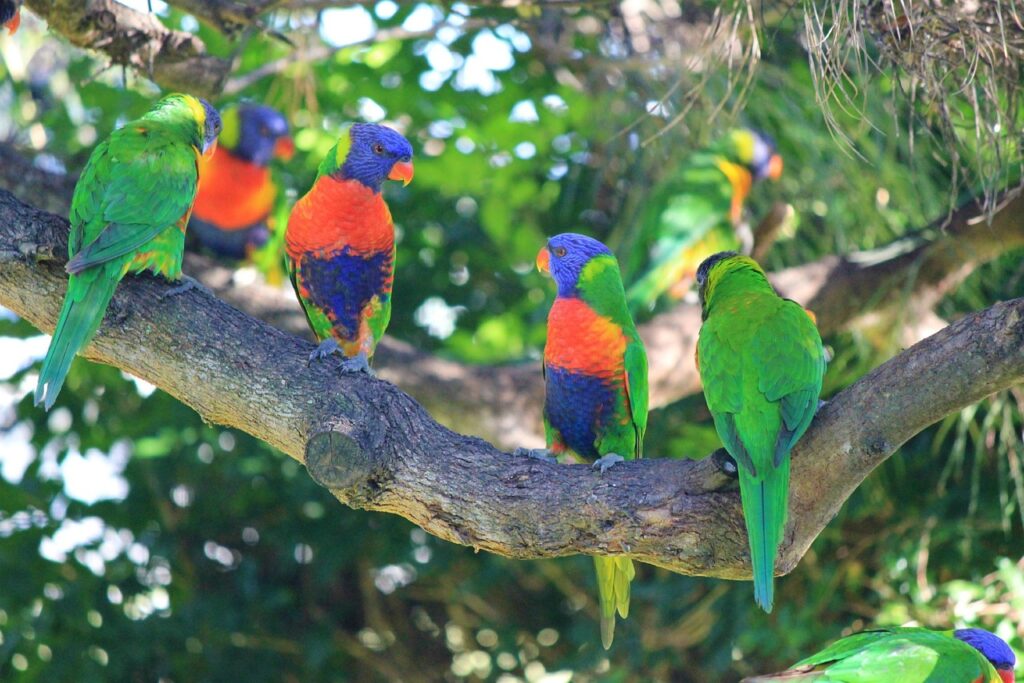
From the playful chatter of the Rainbow Lorikeet to the haunting mimicry of the Superb Lyrebird—capable of imitating everything from other birds to camera shutters—Australia constantly surprises even experienced birders. Then there’s the unmistakable laughter of the Laughing Kookaburra, a sound that has become synonymous with the Australian bush. These iconic species are just the beginning of what the country has to offer.
Diverse Birding Habitats
One of Australia’s greatest strengths as a birding destination is its incredible range of habitats. Along the northeastern coast, the Great Barrier Reef is not only a marine wonder but also a haven for seabirds. Here, you can observe terns, frigatebirds, and boobies soaring above crystal-clear waters, often against a backdrop of coral islands and turquoise lagoons.
Further inland, Kakadu National Park offers a completely different experience. This UNESCO-listed park is a mosaic of wetlands, floodplains, and woodlands, making it one of the best places in Australia to see waterbirds. Jabirus, magpie geese, and a wide range of egrets and herons gather here, especially during the dry season when water sources shrink and bird activity intensifies.
In tropical Queensland, the Atherton Tablelands provide a lush, high-altitude environment rich in endemic species. Birders flock to this region in search of specialties like bowerbirds, riflebirds, and tree-kangaroos (for those who enjoy wildlife beyond birds). The combination of rainforest, waterfalls, and scenic drives makes this area both productive and visually stunning.
Local Expertise and Birding Communities
Birding in Australia is made even more rewarding by the strong network of local birding communities and societies. Organizations and local groups often host guided walks, bird counts, and educational events, providing excellent opportunities to learn from experienced birders. These communities are incredibly welcoming, making it easy for visitors to connect, share sightings, and gain insider knowledge about the best locations and timing.
Local guides, in particular, can be invaluable when searching for elusive or highly localized species. Their familiarity with bird calls, seasonal movements, and habitat preferences significantly increases your chances of spotting rare birds that might otherwise go unnoticed.
Planning Your Birding Journey
For anyone planning a trip, BirdLife Australia and its official website birdlife.org.au serve as essential resources. As one of the country’s leading conservation organizations, BirdLife Australia offers a comprehensive guide to birding across the continent.
The website features detailed information on birding hotspots, national parks, and regional ecosystems, helping you design an itinerary tailored to your interests. It also provides updates on bird sightings, migration patterns, and conservation initiatives—valuable insights that can shape when and where you go. Additionally, you’ll find resources on ethical birding practices, ensuring that your adventure supports the protection of Australia’s fragile ecosystems.
Why Australia Is Unforgettable for Birders
What truly sets Australia apart is the sense of discovery it offers. Many of its species feel almost otherworldly—birds that behave differently, sound different, and look unlike anything you’ve encountered before. Combined with dramatic landscapes ranging from arid outback to dense rainforest, every birding trip becomes an exploration of both wildlife and terrain.
Whether you’re chasing lifers, photographing rare endemics, or simply enjoying the sounds of the bush at sunrise, Australia delivers an experience that is as diverse as it is unforgettable.
4. Ecuador – A Compact Giant of Bird Diversity
Tucked along the equator in the heart of South America, Ecuador may be relatively small in size, but it ranks among the most biodiverse countries on the planet—especially when it comes to birds. With over 1,600 recorded species, Ecuador offers birders an astonishing concentration of avian life within a landscape that can be crossed in just a few hours. From snow-capped Andes to steamy Amazon lowlands and isolated oceanic islands, the country delivers an unmatched variety of habitats packed into one accessible destination.
For birdwatchers, Ecuador feels almost tailor-made. You can start your morning in a misty cloud forest surrounded by hummingbirds, and by afternoon find yourself in tropical rainforest listening to the calls of toucans and antbirds. This density of species and ecosystems means that even a short trip can yield an impressive list of sightings, making Ecuador one of the most rewarding destinations for both beginners and seasoned birders.

Iconic Birding Destinations
No birding journey to Ecuador would be complete without visiting the legendary Galápagos Islands. These remote volcanic islands are home to species found nowhere else on Earth, many of which show little fear of humans. Among the highlights are the unmistakable Blue-footed Booby, famous for its bright blue feet and elaborate courtship dance, and the graceful Waved Albatross, the only tropical albatross species in the world.
Back on the mainland, the cloud forests of Mindo offer a completely different but equally magical experience. This region is a hotspot for hummingbirds, tanagers, and toucans, with feeders and forest trails providing exceptional viewing opportunities. One of the most sought-after species here is the dazzling Andean Cock-of-the-rock, known for its vivid orange plumage and dramatic lekking displays.
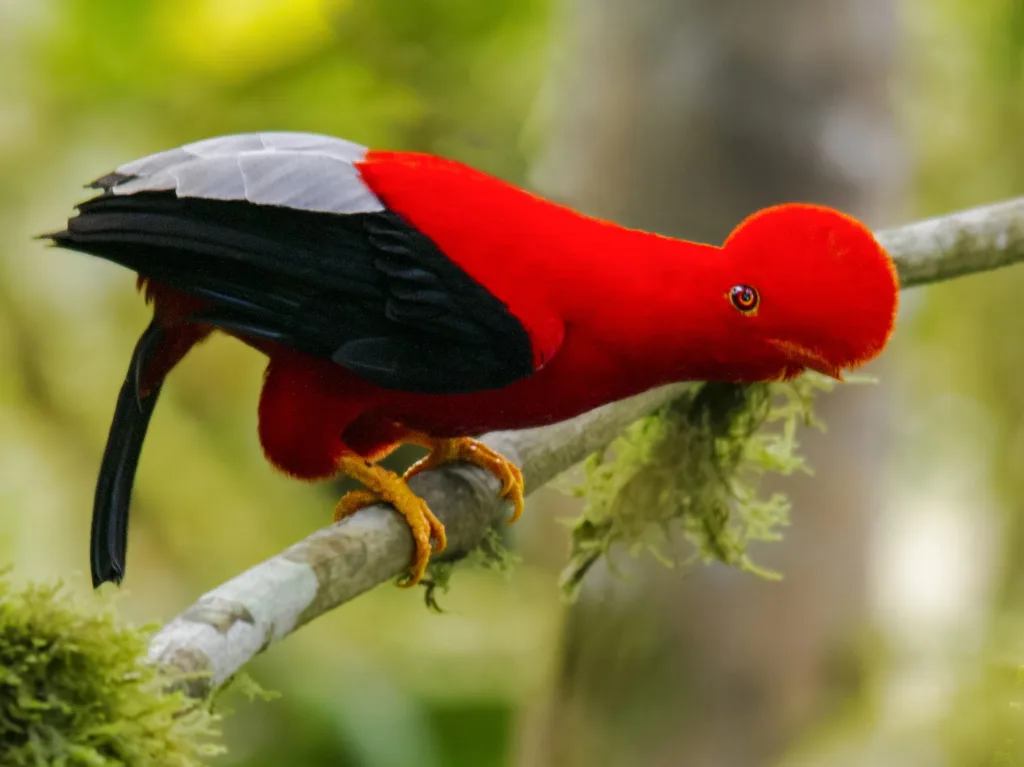
Venturing deeper into the Amazon Rainforest opens the door to an entirely new world of birdlife. Dense jungle habitats are home to elusive species like the mysterious Oilbird, a nocturnal, cave-dwelling bird that navigates using echolocation—an extremely rare trait among birds. Parrots, macaws, and countless understory species make every outing in the Amazon an adventure.
Eco-Lodges and Guided Experiences
One of the best ways to experience birding in Ecuador is by staying at eco-lodges strategically located in prime habitats. Many of these lodges are designed specifically with birders in mind, offering early-morning excursions, canopy towers, and expert local guides who know the forest intimately.
Guided tours significantly enhance your chances of spotting rare and cryptic species. Local experts are skilled at identifying bird calls and understanding subtle behaviors, allowing them to locate birds that might otherwise remain hidden in dense foliage. Whether you’re exploring a lek site at dawn or scanning treetops for mixed flocks, these guided experiences add both depth and efficiency to your birding adventure.
Planning Your Birding Adventure
For trip planning, platforms like Birding Ecotours, San Jorge Eco-Lodges, and The Culture Trip offer valuable insights into Ecuador’s top birding destinations. These resources provide detailed itineraries, photography tours, and customizable travel experiences tailored to different interests and skill levels.
They also highlight essential locations such as the Galápagos Islands, the cloud forests of Mindo, and the vast Amazon Rainforest, helping you build a well-rounded itinerary. From logistical tips to seasonal birding advice, these platforms make it easier to navigate the country’s rich offerings and maximize your time in the field.
Why Ecuador Is a Must-Visit for Birders
What truly makes Ecuador exceptional is the sheer efficiency of birding here. Few places in the world allow you to experience such a high number of species across so many habitats in such a short distance. Add to that the country’s strong focus on conservation and eco-tourism, and you have a destination that not only impresses but also inspires.
Whether you’re watching albatrosses glide over volcanic cliffs, photographing hummingbirds in a cloud forest, or listening to the nocturnal calls of the Amazon, birding in Ecuador offers moments that stay with you long after the journey ends.
5. India – A Subcontinent of Avian Riches
With its vast landscapes, deep-rooted cultural heritage, and remarkable ecological diversity, India stands out as one of the most rewarding birding destinations in the world. Spanning from the towering Himalayas to tropical rainforests, arid deserts, wetlands, and coastal mangroves, India supports an extraordinary range of habitats—and with them, more than 1,300 bird species. For birders, this means endless variety, where every region offers a completely different experience and a new set of species to discover.
Birding in India is not just about numbers; it’s about contrast and depth. You might begin your day watching waterbirds in a historic wetland sanctuary and end it listening to forest calls in a remote mountain range. The country’s blend of biodiversity and cultural richness makes every birding trip feel like a journey through both nature and history.

Iconic Birding Destinations
One of the most famous birding locations in India is Keoladeo National Park, a UNESCO World Heritage Site and a haven for wetland birds. This former royal hunting reserve now hosts over 380 species, making it one of the finest bird sanctuaries in Asia. During the winter months, migratory birds arrive in large numbers, historically including the critically endangered Siberian Crane. Visitors can also spot painted storks, pelicans, herons, and countless ducks, often at remarkably close range.
In contrast, the lush Western Ghats—a UNESCO-listed mountain range running along India’s western coast—offer a completely different birding experience. These ancient forests are one of the world’s top biodiversity hotspots and are home to numerous endemic species. Among them are the striking Malabar Trogon and the subtle yet beautiful Nilgiri Flycatcher, both highly sought after by birders exploring the region’s dense greenery.
Diversity Across Habitats
What truly elevates birding in India is the sheer range of ecosystems available within a single country. The Himalayan foothills host pheasants, laughingthrushes, and high-altitude specialists, while central India’s forests are rich in raptors and woodland birds. In the south, tropical forests and backwaters attract kingfishers, hornbills, and a dazzling array of passerines.
Wetlands, in particular, play a crucial role in India’s birding appeal. Seasonal migrations bring flocks of waterfowl and waders from Central Asia and beyond, transforming lakes and marshes into vibrant birding hotspots. This seasonal variation ensures that no two visits are ever quite the same.
Local Guides and Birding Infrastructure
Exploring birdlife in India is greatly enhanced by the presence of knowledgeable local guides and well-established wildlife tourism networks. Many regions offer specialized birding tours led by experts who understand the nuances of local habitats and species behavior.
These guides can identify birds by sound, locate hidden species, and provide insights into conservation challenges and cultural connections to wildlife. Wildlife tourism agencies also help organize transportation, accommodations, and permits, making it easier for international visitors to navigate the country’s vast and varied landscapes.
Planning Your Birding Trip
For up-to-date information and trip planning, eBird India is one of the most valuable tools available to birders. As part of the global eBird platform, it provides real-time data on bird sightings, migration patterns, and species distribution across India.
Birders can explore recent checklists, identify hotspots, and even track rare bird alerts, allowing for more strategic and rewarding outings. The platform also fosters a strong birding community, where enthusiasts share observations and contribute to citizen science efforts that support conservation.
Why India Is a Birding Treasure
What makes India truly special is its ability to combine biodiversity with cultural immersion. Birding here is not just about ticking species off a list—it’s about experiencing landscapes shaped by centuries of history, interacting with local communities, and witnessing how wildlife and human life coexist.
From the wetlands of Keoladeo National Park to the forested slopes of the Western Ghats, India offers a birding journey that is as rich and layered as the country itself. Whether you’re chasing rare endemics or simply soaking in the sights and sounds of nature, India promises an unforgettable adventure for every birder.
Final Thoughts: A World Connected by Wings
Birdwatching has a way of quietly reshaping how we see the world. What begins as a simple moment of noticing movement in a tree or a flash of color across a field often grows into a lifelong journey of discovery, patience, and connection. Across the destinations explored in this guide—Costa Rica, Australia, Ecuador, India, and now Kenya—one thing becomes clear: birding is not just about where you go, but how deeply you experience the natural world.
Each of these destinations offers something completely different. The cloud forests of Costa Rica overflow with tropical color and sound, while the ancient landscapes of Australia reveal species found nowhere else on Earth. In Ecuador, extreme biodiversity is packed into surprisingly small distances, and India offers an almost overwhelming variety of habitats shaped by climate, geography, and culture. Each place feels like a different chapter in a much larger global story of evolution and adaptation.
Adding Kenya brings an entirely new dimension to that story. Known for its sweeping savannas, dramatic Rift Valley lakes, and iconic wildlife, Kenya is also one of Africa’s premier birding destinations. Wetlands such as Lake Nakuru and Lake Naivasha attract vast flocks of flamingos, pelicans, and herons, while open grasslands host species like lilac-breasted rollers and secretary birds. The diversity is amplified by seasonal migrations and the country’s position along major flyways, making every visit dynamic and unpredictable.
Enjoy Birdwatching
What unites all these destinations is the incredible role birds play in shaping ecosystems and connecting continents. Migration routes span hemispheres, linking places like Kenya with Europe and Asia, while tropical biodiversity hotspots in Ecuador and Costa Rica support species that exist nowhere else. Birdwatching, in this sense, becomes a global experience—one that transcends borders entirely.
Modern tools like eBird, along with local guides and conservation networks, make it easier than ever to explore responsibly and meaningfully. They help birders not only find species but also understand their behaviors, habitats, and the challenges they face in a changing world.
Ultimately, the best birdwatching destinations are not just places on a map—they are living, breathing ecosystems that reward curiosity and attention. Whether you are standing in the mist of a Costa Rican forest, scanning the African horizon in Kenya, or listening to the calls of a tropical canopy in Ecuador or India, each moment in the field adds to a deeper understanding of the planet we share.
And perhaps that is the true beauty of birding: it reminds us that the world is vast, interconnected, and always in motion—just like the birds we follow.

Lorand Vigh is a nature conservation professional and lifelong birder based in Serbia (Vojvodina). With over 30 years of field experience in birdwatching, habitat protection, and conservation management, he has worked on bird monitoring projects, habitat restoration initiatives, and cross-border conservation cooperation. GoToBirding is a personal project built on real field experience, sharing practical, science-based advice for birders and wildlife photographers.