
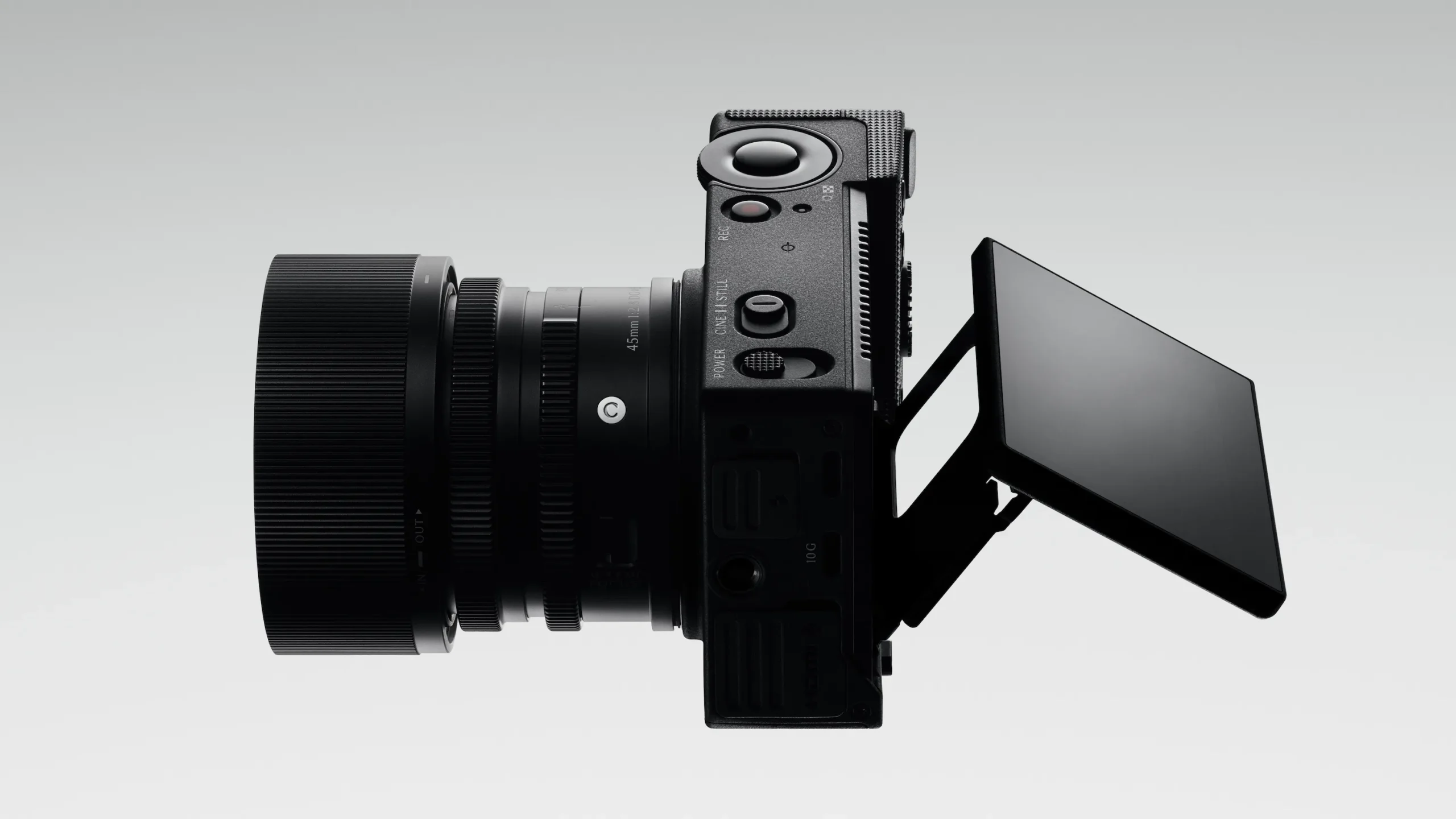
Every birder who hikes with a heavy telephoto lens eventually hits the same wall. After three hours on a muddy trail, you start dreaming about a tiny, featherweight camera body that still gives you full-frame image quality.
When you look at the newly released Sigma FP2, that dream feels very real. It is an ultra-compact, pocket-sized full-frame camera using the L-mount, which means you can pair it directly with incredible wildlife glass like the Sigma 500mm f/5.6 DG DN OS Sports. On paper, it looks like the ultimate minimalist birding rig.
Because this is still a brand-new release, there are very few reliable, real-world field reviews from wildlife photographers yet—and I have not taken this body into a marsh myself. However, looking at its core design through a birder’s eyes tells us almost everything we need to know. Even before extensive field tests roll in, its technical architecture points to serious frustrations for wildlife shooters—alongside a few niche roles where it could actually shine.
The Appeal: Why Birders Even Look at the Sigma FP2
It is easy to see why this camera catches the eye of wildlife photographers. Most modern full-frame bodies feel bulky once you add a battery grip and a weather-sealed chassis. The FP line strips everything down to a sleek, rectangular block that weighs next to nothing.
You also get the benefits of a full-frame sensor. Early morning warbler walks and late-evening owl sessions demand clean high-ISO performance, and a larger sensor handles low light much better than smaller formats. Combined with native access to L-mount lenses from Sigma, Panasonic, and Leica, the temptation is completely understandable.
Dealbreaker #1: Electronic Shutter Only and Rolling Shutter
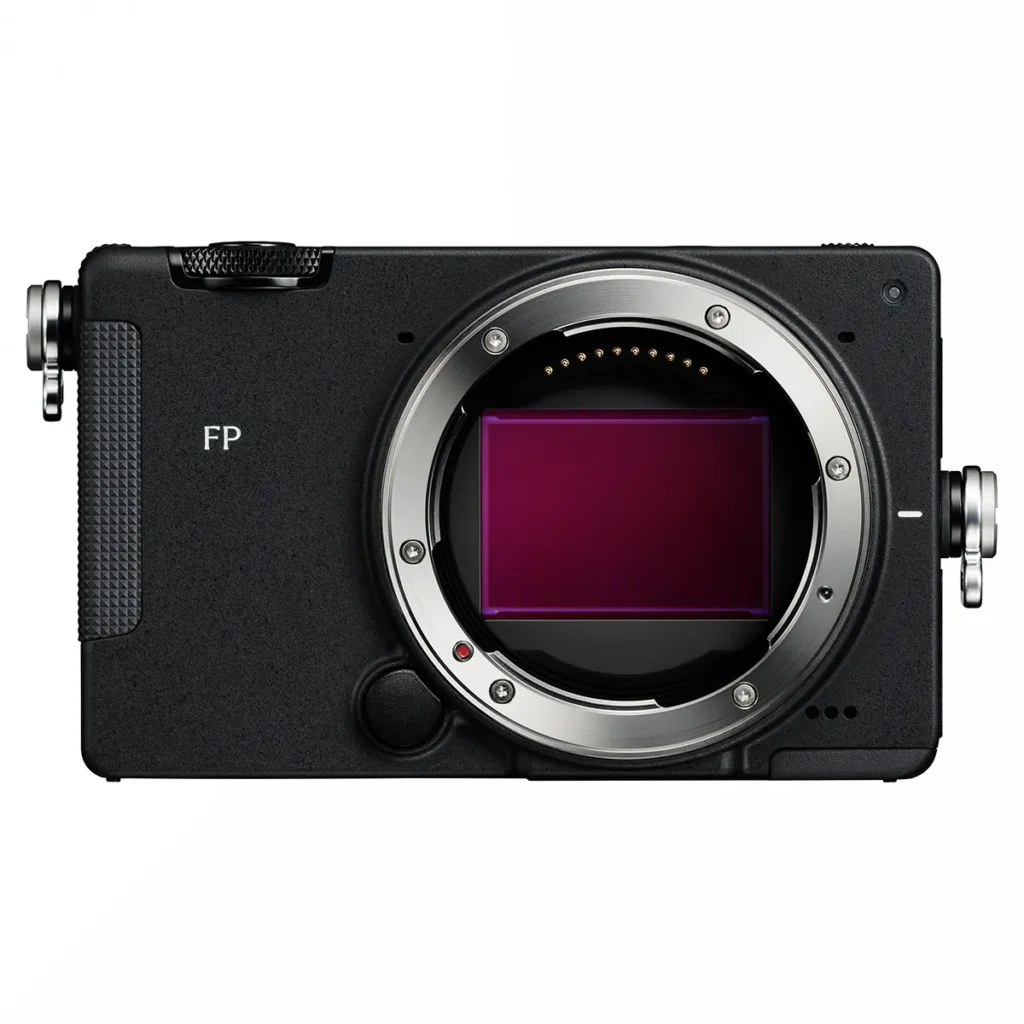
The biggest technical hurdle for birders is that the Sigma FP2 relies entirely on an electronic shutter. While the new 24.5 MP partially stacked CMOS sensor reads out faster than older full-frame chips, there is still no mechanical shutter curtain inside the body—a limitation reflected in its slow 1/50 sec flash sync speed. When you pan rapidly to follow a diving kingfisher or track fast wingbeats, rolling shutter distortion can still bend wingtips and tilt straight backgrounds.
For landscapes, portraits, or slow-moving cinema work, an electronic shutter is silent and convenient. For birds in flight, however, sensor readout speed becomes critical. Unless a camera uses a very expensive stacked sensor, reading the image line by line takes a fraction of a second too long.
When you track a fast-flying peregrine or pan quickly to follow a diving kingfisher, this delay causes rolling shutter distortion. Straight tree trunks in the background tilt diagonally, and fast-beating wingtips bend into unnatural shapes. Without a mechanical shutter to fall back on, freezing rapid action cleanly is a constant gamble.
Dealbreaker #2: No Built-In EVF and Minimalist Ergonomics
Try spotting a tiny kinglet flitting through sunlit canopy branches using only a rear LCD screen. Under bright midday glare, framing a small, erratic subject at 500mm or 600mm without an electronic viewfinder (EVF) is nearly impossible.
Sigma offers an optional clip-on EVF, which solves the visibility issue, but it creates two new problems. First, attaching an external viewfinder ruins the pocket-sized silhouette that made the camera appealing in the first place. Second, the extra cost pushes the total price right into the territory of far more capable wildlife cameras.
Ergonomics matter just as much. A flat, minimalist box offers almost zero grip leverage. When you are hand-holding a 1.5 kg telephoto lens for twenty minutes waiting for a heron to strike, a deep, sculpted handgrip is not a luxury—it is what keeps your shots steady.
Dealbreaker #3: Autofocus Built for Cinema, Not Erratic Flight
Sigma updated the FP2 with an Image Plane Phase-Detection autofocus system and subject tracking, which is a welcome step forward for general shooting. However, the camera was still engineered primarily for cinema rigs, studio work, and deliberate travel photography rather than erratic wildlife. Out in the field, birds hide behind tangled twigs, tall reeds, and rippling water, and the FP2 lacks the dedicated AI bird-eye detection algorithms that Canon, Sony, Nikon, and Panasonic rely on to lock onto an eye through dense clutter.
Out in the field, birds rarely pose against clean blue skies. They hide behind tangled twigs, tall reeds, and rippling water. Modern wildlife bodies from Canon, Sony, Nikon, and Panasonic rely on dedicated AI bird-eye detection algorithms to lock onto an eye through dense clutter. The Sigma FP2 simply lacks the sticky, predictive subject tracking needed to keep up with sudden takeoffs.
Sigma FP2 Key Specifications at a Glance
Before diving into how this camera behaves on a trail, it helps to look at the raw numbers. On paper, the Sigma FP2 packs impressive cinema-grade hardware into a body that weighs less than a pair of compact binoculars—though a few hidden details immediately stand out to wildlife photographers.
| Feature | Specification |
| Sensor | 24.5 MP 35mm Full-Frame Partially Stacked CMOS |
| Lens Mount | L-Mount |
| Shutter Type | Electronic only (1/25,600 – 30 sec, 1/50 sec flash sync) |
| Image Stabilization | Electronic (Video only — no photo IBIS) |
| Autofocus System | Phase-Detection + Contrast AF (Single, Continuous, Tracking) |
| Viewfinder & Screen | No built-in EVF; 3.15″ Tilting TFT LCD (2.1M dots) |
| Base ISO (Still) | Dual Base ISO 320 / 2500 (14-bit DNG RAW) |
| Storage Media | 1x SDXC (UHS-I), 70 GB internal memory, USB SSD support |
| Video Capabilities | Up to 6K/60p internal ProRes RAW HQ, 12-bit ProRes RAW, L-Log |
| Battery & Weight | BP-91 Li-ion; 460 g (16.2 oz) with battery and SD card |
Looking closely at this spec sheet reveals two additional red flags beyond the missing viewfinder. First, there is no in-body image stabilization (IBIS) for still photos—stabilization is electronic and works for video only. Second, the single SD card slot is limited to UHS-I speeds, which can quickly create a buffer bottleneck when firing bursts at fast-moving birds, even with the 70 GB of built-in storage.
Where the Sigma FP2 Actually Makes Sense for Birders
Calling the FP2 a poor primary birding camera does not mean it has no place in a nature lover’s bag. When you stop treating it as a high-speed action body and view it through a different lens, its unusual design actually solves a few real problems in the field.
The Ultimate Habitat and B-Roll “B-Cam”
One of the biggest mistakes wildlife photographers make is coming home with hundreds of tight, frame-filling bird portraits and zero context of where those birds actually live. Swapping your heavy 500mm or 600mm telephoto lens for a wide-angle prime in the middle of a muddy marsh is slow, risky for your sensor, and often costs you the shot.
If you already shoot on the L-mount system with a larger primary body, slipping an FP2 with a tiny 35mm or 45mm lens into your jacket pocket solves this completely. You can instantly capture sweeping habitat shots, morning fog over the wetlands, or clean 4K behind-the-scenes video clips without ever detaching the big lens from your main rig.
Static Blinds and Feeding Station Setups
Ergonomics, handgrip depth, and rapid panning speed matter enormously when you are hiking trails and shooting handheld. Inside a permanent wooden hide or a pop-up photography blind, however, the rules change completely. Your camera is locked onto a sturdy tripod head, and you are often waiting patiently for birds to land on a specific, pre-determined perch.
In these controlled setups, the FP2’s silent electronic shutter becomes a genuine advantage rather than a flaw. Skittish woodland species—like jays, woodpeckers, or shy thrushes—will not spook at the sound of a loud mechanical shutter curtain. As long as you are photographing perched birds rather than mid-air takeoffs, the full-frame sensor delivers rich, crisp detail.
Lightweight Digiscoping on the Trail
Many dedicated birders carry a high-end spotting scope for long-distance identification and only want a camera to document rare sightings. Strapping a full-sized DSLR or gripped mirrorless body onto a scope eyepiece creates an awkward, front-heavy contraption that is miserable to carry.
Because the Sigma FP2 is essentially a flat, lightweight rectangular block, it balances remarkably well on modern universal digiscoping adapters. You get full-frame light-gathering capability through your spotting scope without turning your observation rig into a heavy, cumbersome burden during long coastal or mountain walks.
Low-Light Camp, Travel, and Astro-Nature Photography
Birding trips rarely begin and end in bright daylight. You are often waking up hours before sunrise to reach a lekking site or staying out after dark listening for owls and nightjars. Once the sun drops completely, most wildlife telephoto lenses become too dark to use effectively.
That is when a pocketable full-frame body paired with a fast f/1.4 or f/1.8 prime shines. You can document your field camp, capture moody twilight landscapes, or shoot clean night-sky photos over your birding locations. It turns a single-purpose wildlife expedition into a much richer visual story.
Better Compact Full-Frame Alternatives for Birding
If your main goal is keeping your camera bag light without sacrificing real bird photography performance, you do not have to compromise on a viewfinder or a mechanical shutter. Several compact full-frame bodies deliver the portability you want while packing autofocus systems actually built for erratic wildlife.
Canon EOS R8: The Featherweight Speedster
For birders who want the lightest possible full-frame setup without losing speed, the Canon EOS R8 or a newly released R8 Mark II is hard to beat. Weighing roughly the same as a small APS-C camera, it includes a crisp built-in EVF, a comfortable deep handgrip, and Canon’s flagship animal and bird-eye autofocus system inherited from the higher-end R6 Mark II.
Its electronic first-curtain shutter helps minimize rolling shutter distortion during fast action, and its 40 fps electronic burst mode lets you capture split-second wing positions. Paired with lightweight RF telephoto lenses—such as the RF 100-400mm f/5.6-8 IS USM or the RF 600mm f/11—it creates an effortless all-day hiking rig.
Read the post about Canon EOS R8 Mark II Mirrorless Camera.
Read the full review of the R6 Mark II Mirrorless Camera.
Sony a7C II: True Rangefinder Compactness Done Right
If you love the flat-topped, boxy silhouette of the Sigma FP2, the Sony a7C II proves you can keep that rangefinder-style footprint without stripping away essential field features. Sony managed to squeeze a built-in electronic viewfinder, a sculpted front grip, and 5-axis in-body image stabilization into a body barely larger than a compact travel camera.
More importantly, it features Sony’s dedicated AI processing unit with real-time bird-eye tracking. It locks onto small, fast-moving birds through dense foliage reliably, and its mechanical shutter eliminates the rolling shutter headaches you would face with the Sigma. You also get access to Sony’s massive catalog of native E-mount telephoto zooms and primes.
Panasonic Lumix S5II: The Smart L-Mount Choice
If you are specifically drawn to the Sigma FP2 because you already own L-mount lenses—or want to use Sigma’s stellar 500mm f/5.6 DG DN OS Sports—the Panasonic Lumix S5II is the natural alternative inside the same ecosystem. While slightly larger than a pocket camera, it remains remarkably compact and lightweight for a full-featured, weather-sealed full-frame body.
Unlike older L-mount bodies that struggled with pulsing contrast-detect focus, the S5II uses fast phase-detect autofocus with reliable animal tracking. Combined with dual card slots, a high-resolution EVF, a mechanical shutter, and class-leading image stabilization, it handles rough trails and unpredictable weather without holding you back.
Nikon Z5 / Zf: Budget-Friendly Full-Frame Entry Points
For photographers watching their budget closely, Nikon’s compact full-frame options also deserve a look. The Nikon Z5 offers dual card slots, full weather sealing, in-body stabilization, and a solid viewfinder at a price point that often undercuts the Sigma FP2 once you factor in an external EVF.
If you want faster subject detection and modern EXPEED 7 processing in a compact, classic-styled body, the Nikon Zf steps up with dedicated bird-detection autofocus and strong low-light performance. Either option gives you access to Nikon’s sharp Z-mount telephoto lenses without forcing you to give up basic field ergonomics.
Read the full review of the Nikon Zf Mirrorless Camera.
Final Thoughts
As much as I genuinely admire Sigma for building bold, unconventional cameras—and for making some of the sharpest wildlife telephoto lenses on the market—the Sigma FP2 feels like a classic case of engineering brilliance aimed at the wrong audience if you are a birder. Stripping away a built-in viewfinder and a mechanical shutter saves grams on a scale, but out on the trail, those omissions cost you actual photographs. When you are squinting at a washed-out rear screen trying to balance a heavy lens without a proper grip, the novelty of a “pocket full-frame camera” wears off in about five minutes.
If you shoot video, love minimalist travel photography, or want a tiny secondary L-mount body to capture landscapes and camp life alongside a larger main rig, the Sigma FP2 is a fun, capable little machine. Just do not let its compact size or full-frame sensor fool you into making it your primary wildlife camera.
If your goal is tracking fast birds without breaking your back, spend your money on a compact body that respects real-world field ergonomics—like the Canon EOS R8, Sony a7C II, or Panasonic Lumix S5II. Your wrists, your eyes, and your keeper rate will thank you.
Frequently Asked Questions
Is the Sigma FP2 good for wildlife photography?
Generally, no. While the Sigma FP2 features a clean 24.5MP partially stacked full-frame sensor and access to great L-mount lenses, it lacks essential wildlife features like a built-in electronic viewfinder (EVF), a mechanical shutter (relying entirely on an electronic shutter which can cause rolling shutter distortion), and dedicated AI bird-eye autofocus tracking. It is primarily built for cinema, street, and studio workflows.
Does the Sigma FP2 have a mechanical shutter?
No. Like the original Sigma FP series, the FP2 relies entirely on an electronic shutter. While its partially stacked CMOS sensor improves readout speeds compared to older models, the lack of a physical shutter curtain means fast-moving subjects like flying birds or rapid panning can still exhibit rolling shutter artifacts.
Can I use the Sigma FP2 for birdwatching and hiking?
Only as a secondary camera. Because it is ultra-compact and lightweight (weighing just 376g body-only), it is tempting for long hikes. However, trying to track erratic birds in bright sunlight using only the rear LCD screen—without a built-in viewfinder or a deep handgrip to balance a heavy telephoto lens—makes field use extremely difficult.
What are the best alternatives to the Sigma FP2 for birders?
If you want a lightweight, compact full-frame camera that is actually built for wildlife, look at the Canon EOS R8 (lightweight with flagship bird-eye autofocus and a built-in EVF), the Sony a7C II (rangefinder-style compactness with AI bird tracking and an EVF), or the Panasonic Lumix S5II (the ideal L-mount alternative if you want to use Sigma lenses with phase-detect autofocus and a proper viewfinder).
What is the Sigma FP2 actually good for?
It shines as a high-end cinema camera, a minimalist travel or street photography body, or a lightweight “B-cam” for capturing behind-the-scenes video and wide habitat shots while your main rig handles tight telephoto bird portraits. It also performs well in static blinds or mounted to a spotting scope for stationary digiscoping.
Disclosure: This post contains affiliate links. If you make a purchase through these links, Gotobirding may earn a small commission at no extra cost to you. This helps support our independent gear reviews and keeps our content free.

Lorand Vigh is a nature conservation professional and lifelong birder based in Serbia (Vojvodina). With over 30 years of field experience in birdwatching, habitat protection, and conservation management, he has worked on bird monitoring projects, habitat restoration initiatives, and cross-border conservation cooperation. GoToBirding is a personal project built on real field experience, sharing practical, science-based advice for birders and wildlife photographers.