

Leica Noctivid 10×42: Top Birding Binoculars for Birding and Hiking
When you spend enough time birdwatching, you eventually reach a point where your gear starts to shape your experience just as much as your skills do.
That’s exactly where premium binoculars enter the conversation.
Among the most talked-about models in this category is the Leica Noctivid 10×42—a binocular that has built a reputation not through aggressive marketing, but through consistent praise from experienced birders, field testers, and long-term users.
But here’s the honest question most people are really asking:
Is it actually worth it?
Not just in terms of price—but in terms of real-world birding.
Because once you cross into this premium tier, expectations change. You’re no longer just looking for “good optics.” You’re looking for something that feels natural, effortless, and reliable in every situation—from early morning woodland walks to long-distance waterbird observation.
In this in-depth review, I’ll break down everything you need to know about the Leica Noctivid 10×42—from optical performance and ergonomics to real-world usability and how it compares to other flagship binoculars.
No hype. No sales push.
Just a clear, experience-driven perspective to help you decide if it truly fits your birding style.
Note: Some of the links on this page may be affiliate links, which means I may earn a small commission if you choose to make a purchase—at no extra cost to you. Your support helps me continue creating honest, in-depth birding content on GoToBirding.com. Thank you.
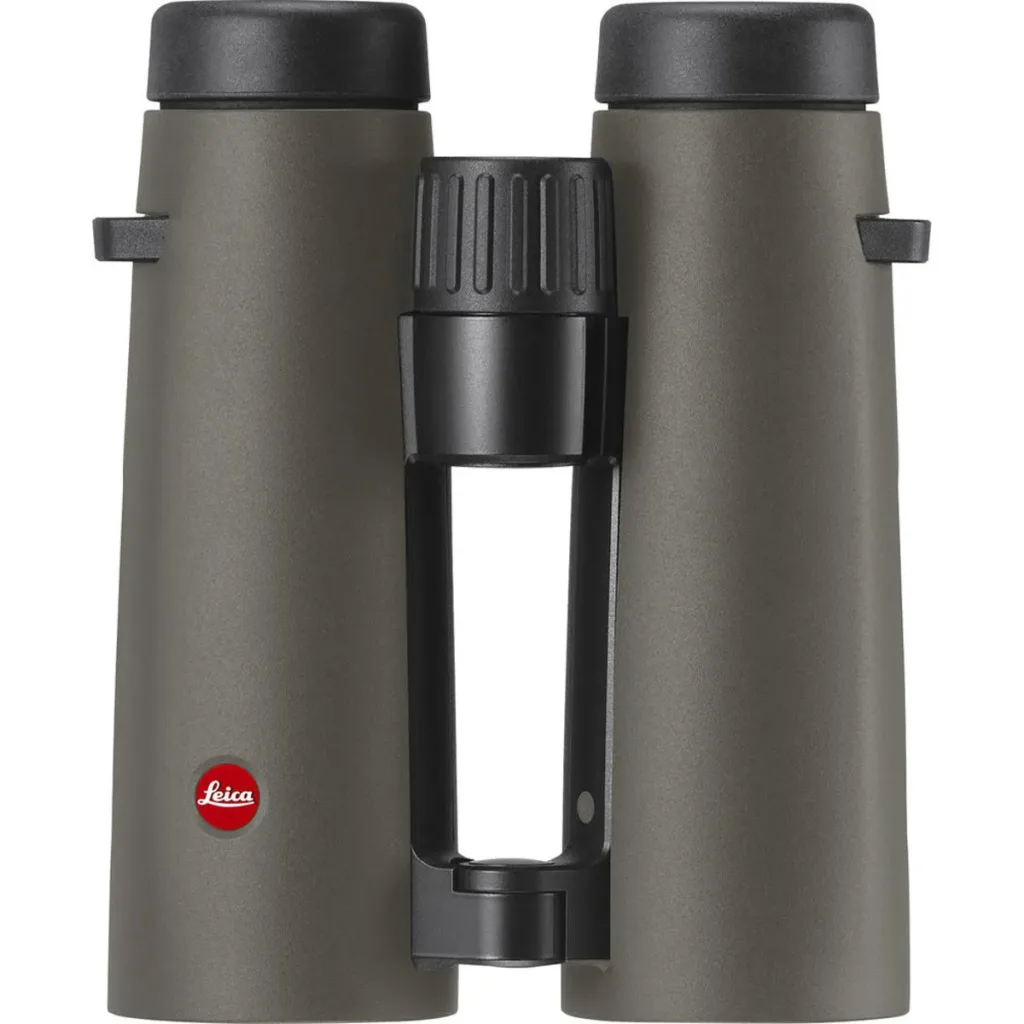
General Features of Leica Noctivid 10×42
One of the standout features of the Noctivid is its unparalleled image quality. The binoculars boast high-transmission SCHOTT HT glass, which provides superb light transmission and color accuracy. Birdwatchers are impressed with the sharpness, clarity, and brightness of the images, even in low-light conditions. The 10x magnification combined with the 42mm objective lens diameter strikes a perfect balance between magnification power and light-gathering ability.
The build quality of the Noctivid is another area where it excels. Its rugged construction, lightweight magnesium chassis, and rubberized armor ensure durability and a comfortable grip. The binoculars are also nitrogen-filled and sealed, making them fog-proof and waterproof. These features make the Noctivid ideal for birdwatching in various weather conditions.
The ergonomic design of the Noctivid enhances the user experience. Its open-bridge design allows for easy handling and a secure grip. The focus wheel operates smoothly, providing precise focus adjustments, crucial for capturing fine details of birds. Users have also praised the wide field of view, enabling them to track birds in motion effortlessly.
Specifications Overview
| Magnification | 10x |
| Objective Size | 42mm |
| Eye Relief | 19mm claimed, 17mm measured |
| Actual Field of View | 112m at 100m |
| Apparent field of view | 64° |
| Close focus | 1.9m |
| Transmissivity | 91% |
| Length | 150mm |
| Weight | 860 claimed, 896g measured w/caps |
These numbers place it firmly in the premium all-rounder category.
First Impressions: What Makes the Noctivid Feel Different
The first time you handle the Noctivid, it doesn’t feel flashy or overly modern. Instead, it feels deliberate.
There’s a certain weight and density to it that immediately communicates quality. It’s not the lightest binocular in its class, but it doesn’t feel unnecessarily heavy either. Rather, it feels balanced—like each component serves a purpose.
The magnesium chassis contributes to this feeling. It provides structural strength without making the binocular overly bulky, while the rubberized armor adds both grip and a layer of protection that’s genuinely useful in the field.
One detail that often goes unnoticed until you spend time with it is how secure it feels in hand. Whether you’re wearing gloves in colder weather or dealing with slightly wet conditions, the grip remains confident and stable.
The open-bridge design also plays a key role here. It allows for a more natural hand position, especially during longer sessions, and makes one-handed use more practical than you might expect for a binocular in this class.
Over time, you begin to appreciate that the Noctivid wasn’t designed to impress at first glance—it was designed to perform consistently over years of use.
Optical Performance: Where the Noctivid Truly Shines
Let’s get to the part that matters most.
Because at this level, everything ultimately comes down to what you see.
Clarity and Sharpness
The first thing you notice when looking through the Noctivid is how clean the image appears.
Sharpness is not limited to the center—it extends remarkably well toward the edges, which creates a more immersive viewing experience. This becomes especially important when scanning environments like wetlands or forest edges, where birds can appear anywhere within your field of view.
Fine details—like feather textures, subtle color gradients, or even eye rings—are rendered with impressive precision.
It’s not just sharp—it’s consistently sharp.
That consistency reduces eye strain over time, which is something many birders only begin to appreciate after longer sessions in the field.
Color Rendering
Leica has always leaned toward a slightly warmer color profile, and the Noctivid continues that tradition in a refined way.
Colors don’t feel exaggerated, but they do feel more “alive.” Greens appear richer, browns have more depth, and overall contrast feels natural rather than clinical.
This subtle warmth can actually make bird identification easier, particularly in flat lighting conditions where neutral color profiles might appear slightly washed out.
Low-Light Performance
Low-light performance is one of the areas where premium binoculars justify their reputation.
The Noctivid performs exceptionally well during early mornings, late afternoons, and overcast conditions. Thanks to its high light transmission (around 91%), images remain bright and detailed even when light levels drop.
You don’t just see shapes—you see detail.
This becomes especially valuable when observing birds in shaded woodland or at dusk, where lesser binoculars might struggle to maintain clarity.
Field of View
With a field of view of approximately 112 meters at 1000 meters, the Noctivid offers a comfortable viewing window.
While it’s not the widest in its class, it strikes a balance between magnification and usability. The image feels stable and easy to follow, which is particularly helpful when tracking moving birds.
Combined with the edge-to-edge sharpness, the field of view feels more expansive than the numbers alone might suggest.
Real-World Birding Experience
Specifications only tell part of the story.
What really matters is how a binocular performs during actual birding.
Specifications are useful—but birding rarely happens in controlled conditions.
What matters most is how a binocular performs when you’re actually out there.
Tracking Birds in Motion
With 10x magnification, you gain reach—but you also introduce potential instability.
The Noctivid handles this balance well. The image remains stable enough for most users, and the smooth focusing mechanism allows quick adjustments as birds move between branches or change distance.
This responsiveness becomes especially valuable when observing active species that don’t stay still for long.
Long Sessions in the Field
Comfort becomes increasingly important the longer you stay out.
While the Noctivid is slightly heavier than some alternatives, many birders find that its ergonomic design compensates for this over time. The grip feels natural, and the weight distribution prevents it from feeling front-heavy.
That said, users with smaller hands may notice the size more, particularly during extended sessions.
Close Focus and Versatility
With a close focus distance of around 1.9 meters, the Noctivid performs well for more than just birding.
It allows you to observe butterflies, dragonflies, and other nearby wildlife with impressive detail. This adds an extra layer of versatility, making it suitable for broader nature observation.
Build Quality and Durability
If there’s one area where Leica consistently stands out, it’s build quality.
The Noctivid feels engineered rather than assembled.
- Magnesium chassis for strength and weight balance
- Rubber armor for grip and shock resistance
- Nitrogen-filled construction for fog-proof performance
- Waterproof sealing for use in rain and humidity
This is a binocular designed for real outdoor use—not just controlled conditions.
Whether you’re birding in misty forests, along rivers, or during unpredictable weather, it holds up reliably.
Pros and Cons: An Honest Look
What Works Really Well
- Exceptional optical clarity and contrast
- Rich, natural color rendering
- Strong low-light performance
- Durable, weather-resistant construction
- Smooth and precise focusing system
Where It Might Not Be Perfect
- High price point compared to many alternatives
- Slightly heavier than some competitors
- May feel bulky for users with smaller hands
- Field of view is good—but not the widest available
How It Compares to Other Premium Binoculars (Practical Field Perspective)
When you’re investing in a premium binocular, the differences are rarely dramatic on paper—but in the field, they become very real.
Instead of asking “Which one is best?”, a more useful question is:
“Which one fits the way I actually bird?”
Below is a more practical, experience-driven comparison between the Leica Noctivid 10×42 and its closest competitors, based on real-world birding scenarios rather than just specifications.
Swarovski NL Pure 10×42 – Best for Immersive Viewing and Wide Landscapes
The Swarovski NL Pure 10×42 is often the first alternative birders consider—and for good reason.
Its standout feature is the extremely wide field of view, which creates a very immersive, almost panoramic viewing experience. When scanning open habitats like wetlands, coastal areas, or large fields, this wider view can make it easier to locate and follow birds without constantly adjusting your position.
In practice, this means:
- Faster bird acquisition in open environments
- Easier tracking of birds in flight
- A more “relaxed” viewing experience when scanning
The ergonomics are also more modern. The shape feels slimmer and more sculpted, and for many users, it sits more naturally in the hands during extended use.
However, this design preference is subjective.
Where the Noctivid often stands out in comparison is in image character. While the NL Pure delivers a very neutral and bright image, the Noctivid provides a slightly warmer tone with stronger perceived depth and contrast. Some birders find this more natural and less clinical, especially in forest environments.
In simple terms:
- Choose the NL Pure if you prioritize maximum field of view and immersion
- Choose the Noctivid if you prefer depth, contrast, and a more organic image feel
Zeiss Victory SF 10×42 – Best for Balance and Long Sessions
The Zeiss Victory SF 10×42 takes a different approach.
Instead of focusing purely on optics, it emphasizes ergonomics and weight distribution. The design shifts the center of gravity closer to your hands, which makes the binocular feel lighter than it actually is—something you really notice during long birding sessions.
In the field, this translates to:
- Less arm fatigue over time
- Easier one-handed adjustments
- A more relaxed viewing posture
The field of view is also among the widest in this category, making it highly effective for tracking moving birds.
Optically, the Victory SF delivers a very bright and sharp image, with a slightly cooler color tone compared to Leica. It’s highly efficient and precise—but some users describe it as a bit more “analytical” than immersive.
The Noctivid, in comparison, often feels:
- Slightly more refined in color depth
- More contrast-rich in complex lighting
- A bit more “engaging” for prolonged observation
In practical use:
- Choose the Victory SF if you value comfort, balance, and long-session usability
- Choose the Noctivid if you prefer image richness and a more immersive visual feel
Leica Ultravid HD-Plus 10×42 – Compact Alternative with Classic Leica Feel
The Leica Ultravid HD-Plus 10×42 represents Leica’s previous flagship—and it still holds up remarkably well.
Compared to the Noctivid, it offers a more compact and slightly lighter design, which can be appealing for birders who prioritize portability.
In real-world use:
- It’s easier to carry for long hikes
- Feels more traditional in handling
- Maintains Leica’s signature color rendering
However, the Noctivid introduces several refinements that become noticeable over time:
- Improved edge-to-edge sharpness
- More advanced glare control
- Better ergonomics with the open-bridge design
- Slightly more comfortable viewing during extended sessions
The difference isn’t dramatic—but it is consistent.
In practical terms:
- Choose the Ultravid if you want compactness and classic Leica handling
- Choose the Noctivid if you want a more modern, refined viewing experience
Side-by-Side Comparison Table
Here’s a simplified overview to help you quickly identify the key differences:
| Feature / Model | Leica Noctivid 10×42 | Swarovski NL Pure 10×42 | Zeiss Victory SF 10×42 | Leica Ultravid HD-Plus 10×42 |
|---|---|---|---|---|
| Image Character | Warm, rich, high contrast | Neutral, very bright | Slightly cool, very sharp | Warm, classic Leica tone |
| Field of View | Wide (112m) | Extremely wide (~133m) | Very wide (~120m) | Moderate (~112m) |
| Edge Sharpness | Excellent | Excellent | Very good | Very good |
| Ergonomics | Solid, slightly heavier | Modern, sculpted | Best-in-class balance | Compact, traditional |
| Weight Feel | Noticeable but stable | Slightly lighter | Feels light due to balance | Lightest and compact |
| Low-Light Performance | Excellent | Excellent | Excellent | Very good |
| Best Use Case | All-round premium birding | Open habitats, scanning | Long sessions, active birding | Travel, compact use |
| Learning Curve | Minimal | Minimal | Very easy | Minimal |
Final Practical Takeaway
All four of these binoculars are exceptional.
The differences are not about “good vs bad”—they’re about preference and use case.
- If you bird in open landscapes and want maximum field of view, the NL Pure stands out
- If you prioritize comfort during long sessions, the Victory SF is hard to beat
- If you prefer compactness and simplicity, the Ultravid still delivers
- If you want a balanced, refined, and immersive all-round experience, the Noctivid remains one of the most complete options available
The key is not choosing the “best” binocular—but choosing the one that disappears in your hands and lets you focus entirely on the birds.
Who Is the Leica Noctivid 10×42 Really For?
The Leica Noctivid 10×42 is not a beginner binocular—it’s a tool designed for birders who already understand what they value in the field.
From my own experience using it during several outings, what impressed me wasn’t an instant “wow” factor, but how naturally everything came together over time. The image felt effortless, focusing was intuitive, and I noticed less strain even after longer sessions. It’s a binocular that reveals its quality gradually.
This makes it particularly well suited for:
- Dedicated birdwatchers who spend long hours outdoors and benefit from reduced eye fatigue and consistent clarity
- Observers who prioritize image quality, especially in challenging light where subtle contrast and color depth matter
- Experienced users upgrading from mid-range optics, who will actually notice the refinement in handling and viewing comfort
At the same time, it’s important to be realistic.
If you’re birding casually, still exploring the hobby, or simply want something lightweight and budget-friendly, this level of investment is not necessary. There are many excellent alternatives that deliver great performance at a lower cost.
Personally, while I was genuinely impressed by the Noctivid’s performance, I also realized it sits beyond what I can currently justify for myself—and that’s perfectly fine.
Because in the end, this binocular is not about having more—it’s about getting more out of every moment you already spend in nature.
Is It Worth the Price?
The Leica Noctivid 10×42 is undeniably expensive, and that’s the first reality to acknowledge.
After using it, I can say this: it absolutely feels like a premium product—but whether it’s worth it depends entirely on how you bird.
What you’re paying for isn’t just sharpness or brightness. It’s the combination of:
- Consistent optical performance in all conditions
- Subtle improvements in contrast and color
- Long-term comfort during extended use
- A viewing experience that feels natural and effortless
In my own use, the difference wasn’t about spotting more birds. It was about noticing details faster, adjusting less, and simply enjoying the view more.
That said, I have to be honest—despite how much I appreciated the Noctivid, I can’t currently justify owning one myself. Not because it isn’t excellent, but because value is personal.
If birding is a major part of your life, and you spend frequent time in the field, the investment can make sense over years of use.
But if not, there are more affordable binoculars that will still give you a very satisfying experience.
In the end, it’s not about seeing more birds.
It’s about seeing them better—and deciding how much that matters to you.
Final Thoughts: A Balanced Perspective
The Leica Noctivid 10×42 is one of those binoculars that doesn’t try to impress you instantly—it grows on you.
The more you use it, the more you start to appreciate the subtle things:
- The way colors feel natural
- The consistency of sharpness across the image
- The reliability in changing conditions
It’s not perfect.
No binocular is.
But it’s one of the most well-rounded premium options available today.
If your goal is to elevate your birding experience—not just upgrade your gear—the Noctivid is absolutely worth understanding.
Continue Exploring
If you’re comparing premium binoculars, you might also find this helpful:
👉 Read more reviews of other high-quality binoculars on GoToBirding.com
Frequently Asked Questions (FAQ)
Is the Leica Noctivid 10×42 good for birdwatching?
Yes, it’s one of the top-performing binoculars for birdwatching. It offers excellent sharpness, natural color rendering, and strong low-light performance, which are especially valuable during early morning or late afternoon birding. In real use, it feels effortless to look through, making long sessions more comfortable.
Is 10×42 a good choice for birding?
For many birders, 10×42 is a great all-around configuration. The 10x magnification helps with distant birds, while the 42mm objective lenses provide enough brightness in most lighting conditions. However, if you prefer a wider field of view and more stability, an 8×42 might be easier to use.
How does the Noctivid compare to Swarovski NL Pure?
The Swarovski NL Pure 10×42 offers a wider field of view and a more immersive experience, which is great for scanning open landscapes. The Noctivid, on the other hand, stands out with its richer color tones and slightly more natural image depth. The choice often comes down to personal preference.
Is the Noctivid better than the Zeiss Victory SF?
The Zeiss Victory SF 10×42 is known for its excellent balance and comfort during long sessions. The Noctivid tends to offer a more contrast-rich and refined image. Both are exceptional—one focuses more on ergonomics, the other on image character.
Is the Leica Noctivid worth the price?
It depends on how seriously you take birding. The Noctivid is expensive, but it delivers consistent, high-end performance and long-term reliability. If you bird frequently and value subtle improvements in image quality and comfort, it can be worth the investment. For casual use, more affordable options may be a better fit.
Is the Leica Noctivid good in low light?
Yes, it performs very well in low-light conditions thanks to its high light transmission and quality glass. Details remain visible even when light levels drop, which is useful for dawn and dusk birding.
Is the Noctivid too heavy for long use?
It is slightly heavier than some competitors, but many users find the weight contributes to a stable view. During extended use, ergonomics and grip help offset the weight, although users with smaller hands might notice it more.
Can beginners use the Leica Noctivid?
Technically yes—but it’s not designed for beginners. Its benefits are best appreciated by birders who already have experience and understand what to look for in premium optics. Beginners can start with more affordable binoculars and upgrade later if needed.
What makes the Leica Noctivid different from the Ultravid HD-Plus?
Compared to the Leica Ultravid HD-Plus 10×42, the Noctivid offers improved edge-to-edge sharpness, better glare control, and a more modern ergonomic design. The Ultravid is still excellent, but the Noctivid feels more refined overall.
How long will the Leica Noctivid last?
With proper care, it can last many years, even decades. Its robust construction, weather sealing, and high-quality materials make it a long-term investment rather than a short-term upgrade.
Lorand Vigh is a nature conservation professional and lifelong birder based in Serbia (Vojvodina). With over 30 years of field experience in birdwatching, habitat protection, and conservation management, he has worked on bird monitoring projects, habitat restoration initiatives, and cross-border conservation cooperation. GoToBirding is a personal project built on real field experience, sharing practical, science-based advice for birders and wildlife photographers.